Discover how product packaging shapes first impressions, builds trust, influences buying decisions, and justifies premium pricing.
Looking for a Shorter Overview?
AI Summary
Key Moments
Visual Packaging Overrides Product Quality
Consumers decide instantly based on appearance, not product content.Physical Texture Signals Premium Value
Thick, matte materials and heavy containers convince buyers of higher price.Online Unboxing Shapes Trust
Sturdy, premium delivery packaging builds credibility before the product is used.Color & Typography Target Audience
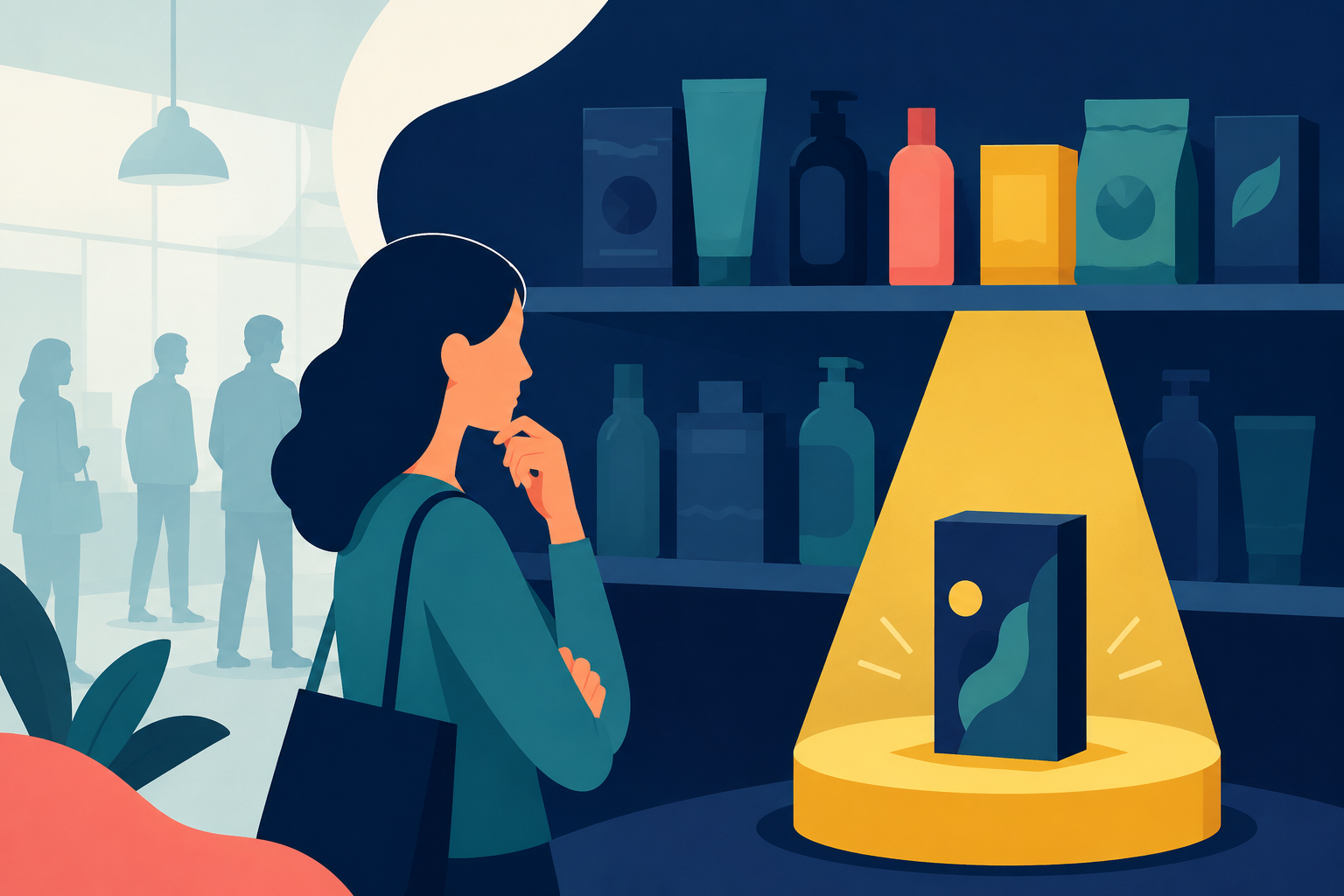
Design elements filter and attract the right buyer without any words.Before a buyer even reads the ingredient list on a new bottle of shampoo, human instinct has already decided whether to trust a brand. Customers staring at retail shelves will never pick up forty different bottles and compare them.
Instead, minds make split-second decisions based entirely on visual cues. A shopper simply grabs whatever item looks most reliable. Companies can spend millions of rupees perfecting a chemical formula, but if the product packaging looks cheap, sales drop. Visual presentation remains a consumer’s very first interaction with any business.
How Good Product Packaging Affects Brands
When consumers scan retail shelves, brands have only a few seconds to capture attention. Physical containers do all the heavy lifting. If a company wants to sell premium dark chocolate, management cannot wrap it in thin, glossy plastic. A shiny wrapper instantly signals cheap, mass-market candy.
To justify high price tags, companies must use thick, matte paper with clean lettering. When shoppers pick up that chocolate, the heavy paper texture physically proves premium costs. Fingers signal the buyer’s brain that an item is expensive before a mouth even tastes it.
Consider how local Indian spice merchants completely transformed profit margins just by upgrading physical containers. Decades ago, buyers bought loose turmeric or cardamom in clear plastic bags tied with cheap rubber bands. A merchant could only charge basic commodity prices.
Today, premium organic spice startups place those same spices into beautiful glass jars with airtight wooden lids. Shoppers happily pay triple the original price. Those spices inside remain nearly identical, but heavy glass and wooden seals convince buyers that quality is vastly superior. Upgraded packaging instantly turns a basic kitchen staple into an expensive luxury item.
Many local startups fail to understand this basic retail psychology. A founder creates an incredible, healthy snack using expensive organic ingredients. But to save money on manufacturing, they put that snack inside a thin plastic, generic pouch.
When a shopper picks up that pouch, cheap material crinkles loudly. Buyers immediately associate flimsy plastic with poor quality and put items back on shelves. Companies lose loyal customers because outer covers fail to match high-quality food inside.
Colour and fonts on packaging are just as aggressive in securing a sale. Look at the modern skincare market. Bottle colours instantly set specific expectations for buyers. If a shopper sees bright pink or neon green packaging, the brain assumes that this product is a cheap chemical wash meant for teenagers.
But if a mature customer wants a high-quality dermatological serum, that buyer actively looks for dark glass, minimalist white labels, and clinical fonts. Visual design silently filters out wrong audiences and attracts specific right buyers without saying a single word.
This strict rule applies just as much to online shopping. E-commerce has completely removed physical retail shopfronts. When buyers order new smartwatches or high-end face products online, delivery boxes become actual shops.
Also read: Why Social Proof Still Influences Modern Consumers
The journey from a warehouse to a doorstep is rough. Customers make final judgements only after delivery agents hand over their parcels.
A crushed, poorly taped brown cardboard box instantly destroys brand trust before an item is even visible. Buyers immediately assume a company is careless and sloppy. Conversely, a clean, sturdy box with a precise safety seal proves a business respects its buyers.
The physical unboxing process builds immediate confidence. If an outer container feels secure, buyers feel completely safe consuming food or applying products to skin.
The ultimate lesson for modern business owners is very clear. Companies must not treat packaging as just an afterthought or basic shipping container to cut costs. That container is an active part of any product.
If brands want customers paying full price without asking for discounts, management must make the unboxing experience look exactly as expensive as the item inside.
– Written by Rajnish Singh, a copywriter and strategist with a background in fast-paced journalism, who explores the gap between what brands promise and how consumers actually behave.