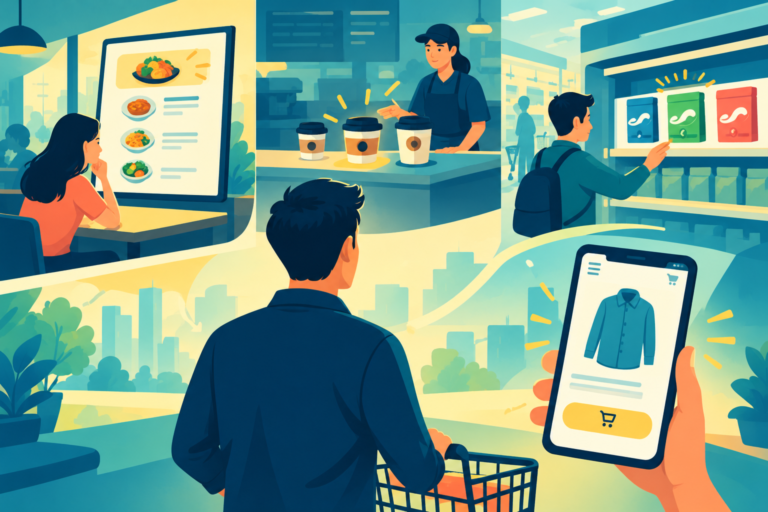
The lasting competitive advantage in today’s retail environment is created by physical packaging and brand perception.
Looking for a Shorter Overview?
AI Summary
Key Moments
Physical Packaging Creates Perceived Value
Heavy glass bottles and premium packaging make consumers feel successful and pay moreFirst Impressions Drive Product Judgment
Outdated websites and cheap fonts make buyers assume software quality is poorRetail Environment Signals Brand Confidence
Empty premium stores with calm employees create massive moats against cheaper rivalsEscaping the Price War Through Differentiation
Businesses survive by making buyers believe their product belongs in a different categoryTwo coffee shops sit directly across the street from each other. Both shops buy the same coffee beans from the same local supplier. But one shop charges double the price, and customers happily wait in a twenty-minute line to pay for it. The difference is not the liquid inside the cup but how the buyer feels when they hold it.
In modern retail, a true competitive advantage is rarely built on a superior chemical formula or better factory machinery. It is built entirely in the consumer’s mind. If a buyer believes an item is premium, it becomes premium.
How Perception Creates Competitive Advantage
Look at the global bottled water market. Water is a basic biological need. It flows practically for free from a kitchen tap. Yet, premium water brands convince wealthy buyers to pay massive prices every single day. These companies do not sell better hydration. They sell heavy glass bottles with crisp metal caps and minimalist white labels.
When a shopper holds a heavy, frosted glass bottle during a business lunch, they instantly feel successful. The weight of the glass tricks the human brain. That physical packaging literally alters the perceived taste of the water inside. The company did not change the liquid. They just changed the perception.
Many technical founders struggle to accept this harsh business reality. A tech startup might spend three years and millions of rupees perfecting a new piece of software. But if the website loading screen looks outdated, or the checkout font looks like a cheap scam site, the buyer instantly assumes the actual software is trash.
Customers do not read backend source code, and they do not care about your complex engineering. In the corporate world, buyers judge the book entirely by its cover. If the outer shell looks cheap, the buyer naturally assumes the internal engine is broken too.
Consider the unboxing experience of high-end electronics. When a customer buys a cheap generic laptop, the delivery box is sealed with messy brown tape. Inside, the laptop is wrapped in ugly plastic bubble wrap.
But when a buyer purchases a premium smartphone, the outer box is constructed from thick, dense cardboard. The lid slides off slowly, creating a deliberate two-second vacuum seal.
Expensive packaging engineers designed that specific physical resistance. Before the buyer even turns the screen on, that slow slide proves the device inside is highly engineered and worth the premium cost.
How Retail Environments Influence Buyers
This same psychological rule dominates physical retail. Walk into a standard discount electronics store. The aisles are completely cramped; the fluorescent lights seem too strong for the eyes, and hundreds of red discount tags just feel too desperate for attention.
The brain registers pure chaos. In that environment, a shopper naturally wants to argue over the price and demand a bigger discount.
Now walk into a high-end tech boutique. The wooden tables are mostly empty, the lighting is warm and subtle, and a calm employee hands you a single phone to hold. The physical device might be identical to the one in the cheap store. But the empty space in the premium store signals extreme brand confidence.
The premium brand does not look desperate for a sale. Because the business acts like it doesn’t need your money, you suddenly want to hand over your credit card. That quiet, physical confidence creates a massive moat against cheaper local rivals.
Also read: https://brandcustodian.in/gymshark-branding-community/
If a company tries to win buyers just by being the cheapest option on a shelf, they enter a miserable race to the bottom. A rival factory can always cut prices by another twenty rupees.
A business can only survive long-term by escaping the price war completely. You escape by making the buyer believe your product belongs in a totally different, untouchable category.
A brand cannot win a crowded market just by listing better technical features on a piece of paper. They must physically prove their value through every single touchpoint.
From a dense cardboard shipping box to the clean layout of a website, perception is the only reality that actually matters to a buyer.
– Written by Rajnish Singh, a copywriter and strategist with a background in fast-paced journalism, who explores the gap between what brands promise and how consumers actually behave.