Stop relying on cheap loyalty tricks. Discover why real customer retention begins the second a shopper meets your brand.
Looking for a Shorter Overview?
AI Summary
Key Moments
Customer Retention Begins Early
The first interaction with your brand determines future loyaltyHonest Marketing Builds Trust
Transparent promises create lasting customer relationshipsPoor Checkout Kills Loyalty
Hidden fees and complicated processes drive customers awayPhysical Environment Shapes Perception
Store experience impacts brand trust and retentionMost retail founders believe that loyalty starts only after a bill is paid successfully. Management teams spend massive budgets on post-purchase email campaigns, digital reward points, and generous weekend discounts. They think bribing a buyer to download an app or join a VIP club will automatically secure customer retention.
But modern consumers are already exhausted by cheap loyalty tricks. If a buyer feels slightly deceived during the initial buying process, no amount of discount codes will ever bring them back.
Real customer retention is not a post-sale marketing strategy. It is a psychological foundation that begins the exact second a shopper interacts with your brand for the first time.
Honest Marketing Drives Customer Retention
The biggest mistake companies make is creating a massive gap between marketing promises and ground reality. Startups often run highly aggressive social media ads promising absolute perfection.
A new clothing brand might showcase a heavy, premium winter jacket using professional studio lighting and paid models.
A buyer sees that ad and sets a very high mental expectation. But when the package finally arrives, the jacket feels thin, the zip gets stuck, and the stitching looks cheap. The customer might keep the jacket because returning online orders is a frustrating and time-consuming hassle.
The company logs a successful sale on their weekly spreadsheet. But that buyer has already made a silent, permanent decision to never purchase from that brand again. The relationship died before the buyer even tried the jacket on.
This same logic applies directly to the digital checkout experience. When a shopper visits an e-commerce website, they expect speed and honesty. If a brand forces a user to click through three different pop-up windows just to see a price or demands a mandatory account creation just to buy a simple pair of socks, patience runs out.
If a buyer reaches the final payment page only to discover hidden processing fees and expensive shipping charges that were never mentioned earlier, trust evaporates completely.
The customer might complete the transaction because they urgently need the item today. But that irritating feeling of being trapped at checkout instantly kills the buying mood.
The next time they need a similar product, they will simply buy it from a local market or from some other competitors with clear, upfront pricing. A clunky website destroys customer retention before the first box even ships.
Impact of Physical Retail Environments
Physical retail stores face the same harsh reality. Imagine a cosmetics company that claims to offer a relaxing, premium lifestyle online. A wealthy buyer walks into their physical retail outlet to test a new face cream. But the store lighting is harsh, the music is too loud, and the sales staff completely ignore walk-in traffic.
The buyer might still buy a small bottle of lotion just to avoid leaving empty-handed. But the physical environment completely shattered the premium illusion. That shopper will never return to that store. The pre-purchase environment of the shop eliminated any chance of long-term loyalty.
To secure permanent buyers, companies must learn to under-promise and over-deliver. If you sell a mid-tier product, price it fairly and market it honestly. When a brand promises a standard three-day delivery, but the package arrives in two days inside a clean, heavy cardboard box with a secure seal, the buyer feels respected.
Also read: https://brandcustodian.in/competitive-advantage-built-through-perception/
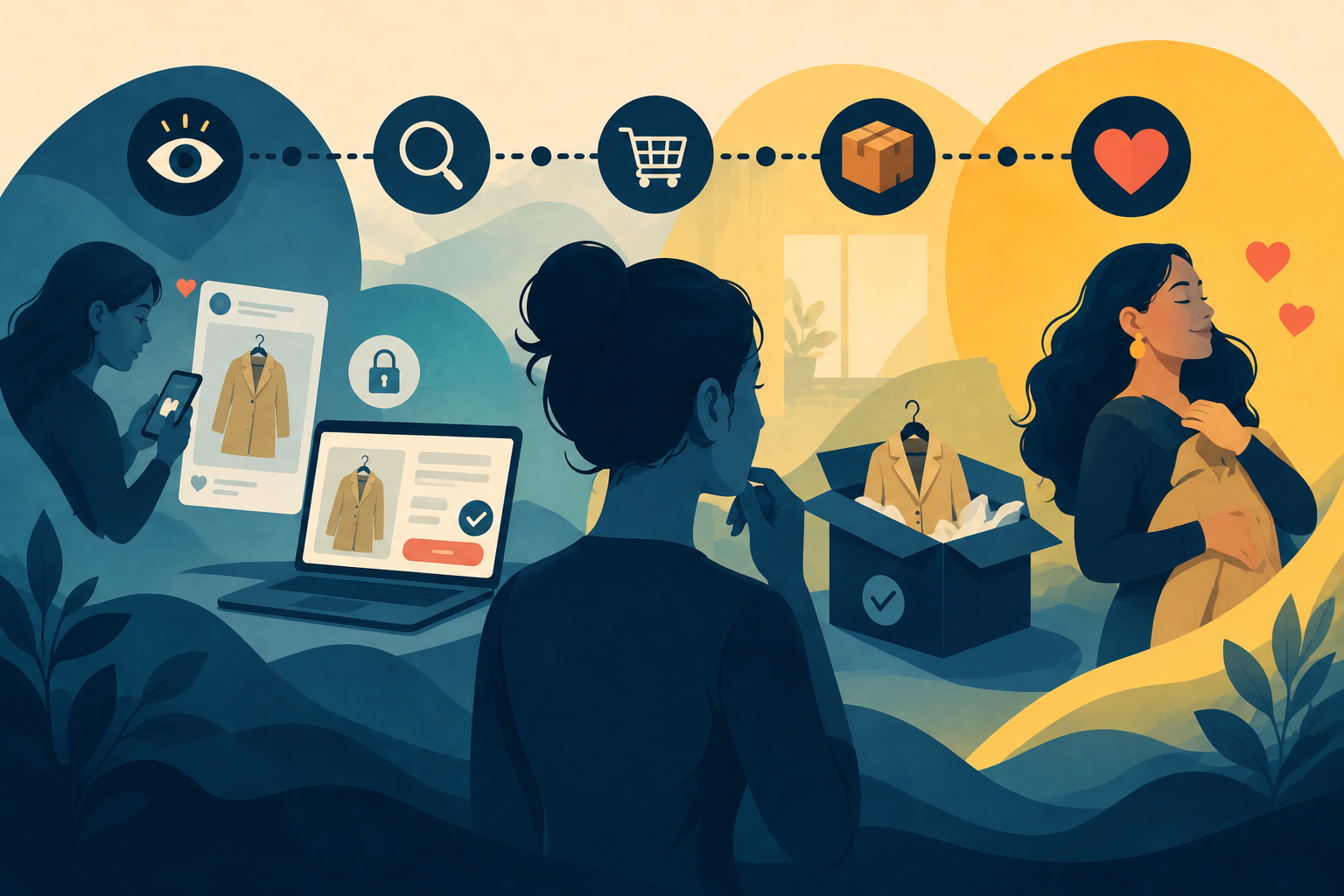
You can’t fix a bad first impression with a birthday coupon for 30% off. If you want to build loyalty, you need to ensure that every step of the journey from the first scroll on Instagram to the last unboxing feels 100% honest.
When a business consistently tells the truth upfront, customers naturally come back.
—Written by Rajnish Singh, a copywriter and strategist with a background in fast-paced journalism, who explores the gap between what brands promise and how consumers actually behave.