One bad review can destroy a decade of trust. See why availability bias is the most dangerous trap in retail marketing.
Looking for a Shorter Overview?
AI Summary
Key Moments
Immediate Emotional Impact
Recent vivid stories trigger stronger decisions than statistical data.Visibility Drives Trust
Physical and digital presence influences perceived reliability.Recency Overwhelms History
New complaints erase established reputation instantly.Strategic Repetition Works
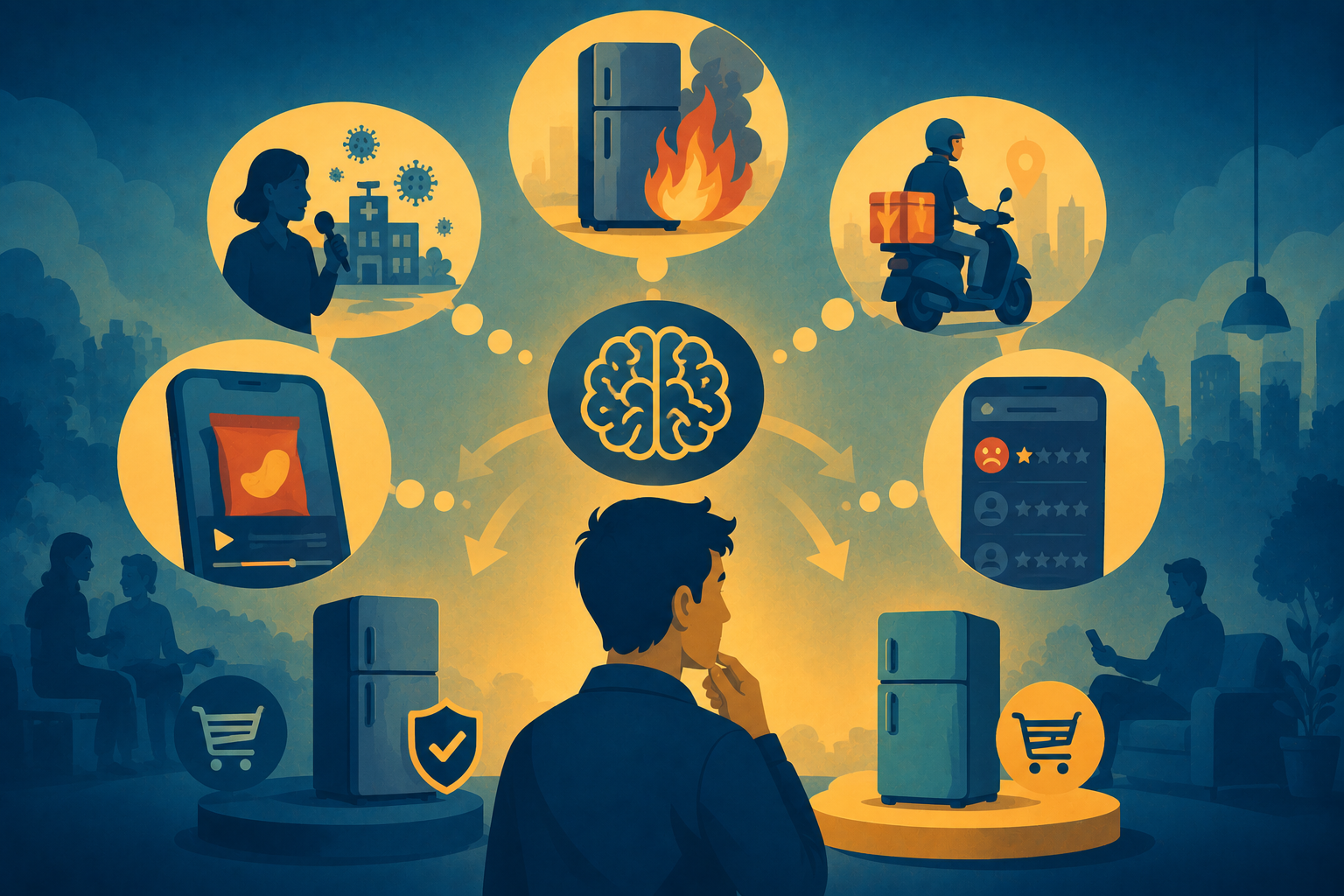
Frequent exposure creates familiarity and perceived safety.Suppose a middle-class family is planning to buy a new refrigerator. They spend two weeks researching different models online to find the best value for money. But just one day before making the purchase, a friend mentioned that their own fridge from the same brand caught fire last month.
Instantly, the buyer drops the plan and chooses a completely different company. Statistically, the chance of a modern fridge catching fire is very low. But the brain ignores logic because of availability bias.
A fresh, shocking story comes to mind much faster than a boring page of safety numbers. Understanding how availability bias works helps businesses see exactly why buyers make sudden, illogical choices.
How Availability Bias Controls Buyers
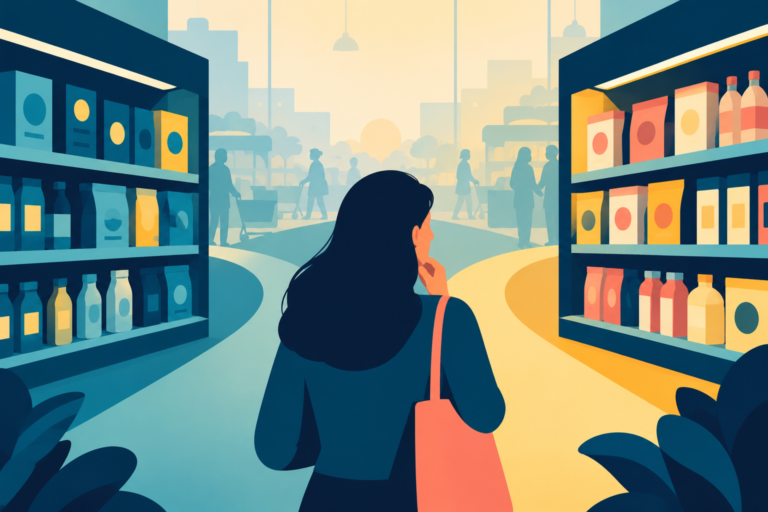
The human brain tries to save energy whenever possible. When faced with a choice, it rarely processes all the available facts and data. Instead, it relies on whichever information comes first. If a person reads three news articles about rising car thefts, they may suddenly feel an urgent need to buy an expensive GPS tracker. The actual crime rate in their city might be completely flat.
However, availability bias makes the danger feel immediate and very real. Marketers know this very well. They understand that recent memories always carry far more weight than long-term data.
Health insurance companies build their entire sales strategy around this mental shortcut. When a city experiences a sudden outbreak of dengue or viral fever, insurance agents do not need to explain complex medical bills. The local news already did the heavy lifting.
Because news of hospitalisations is everywhere, availability bias makes every family feel vulnerable. Selling a health policy becomes incredibly easy in these times. The customer buys the policy not because they want to, but because the fear is still fresh in their mind.
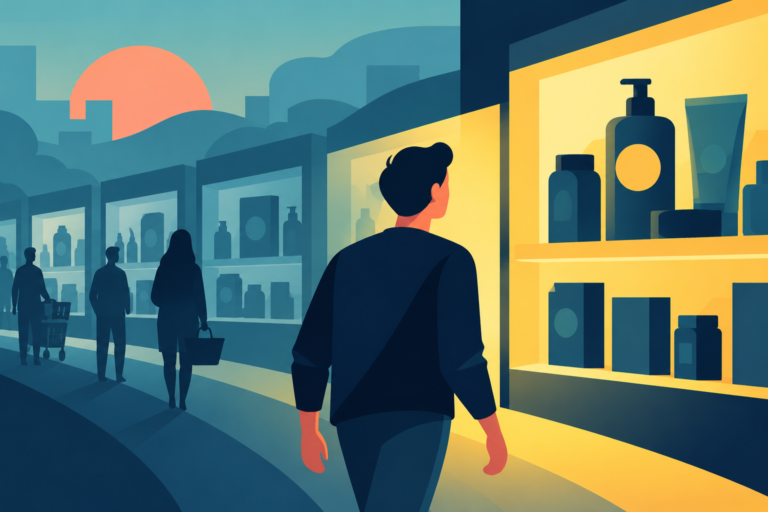
Physical visibility on the street can also trigger this psychological reaction. Consider the quick grocery delivery market. If someone drives to the office and sees five delivery riders wearing Zomato T-shirts, the brain unconsciously notices it.
Later that evening, when that person needs something right away, they will naturally download the Zomato app. They do not compare delivery fees or the features of different apps. This is availability bias in action, because the buyer simply assumes that the most visible brand is also the most reliable one.
Brands also create this effect through constant digital advertising. If a new snack company runs the same video ad before every YouTube video, viewers start to believe the snack is wildly popular. But in reality, the product might be failing in the market.
Frequent exposure tricks the brain. When that person finally visits a supermarket, his brain has already decided which snack to buy. The brain assumes that because it saw the name everywhere, it must be the safest option to pick.
Online reviews show this same behaviour. A local restaurant may have hundreds of older positive reviews. But if a customer opens a food app and sees two angry complaints posted this morning, they will order from somewhere else. The brain gives unfair weight to the latest events.
Because of availability bias, those two recent complaints completely wipe out the long history of good food. Past reputation is never enough. To win, a brand has to keep generating fresh, positive stories so they are always the first thing the buyer remembers.
Winning over a customer is rarely about presenting the most logical argument. It is about making sure the right information comes to mind exactly when buyers want to make a purchase. A smart business stays visible and relevant every single week.
Also read: Why Stripe Earned Developer Trust
By quietly managing what a buyer remembers first, a brand can use availability bias to make spending money feel like the most natural choice in the world.
Loved this article? Read more insightful articles on Brand Custodian.
–Written by Rajnish Singh, a copywriter and strategist with a background in fast-paced journalism, who explores the gap between what brands promise and how consumers actually behave.