Unknown logos are dangerous. See how mastering brand meaning turns hesitant shoppers into ultimate loyal customers.
Looking for a Shorter Overview?
AI Summary
Key Moments
Visual cues override product details
Shoppers decide in under three seconds based on a logo, ignoring technical specs.Brand meaning must be built early
Companies need clear brand meaning before customers read product features to win market share.Unknown brands face hesitation
New products without existing brand meaning appear risky, causing shoppers to choose familiar alternatives.Consistent logo exposure builds trust
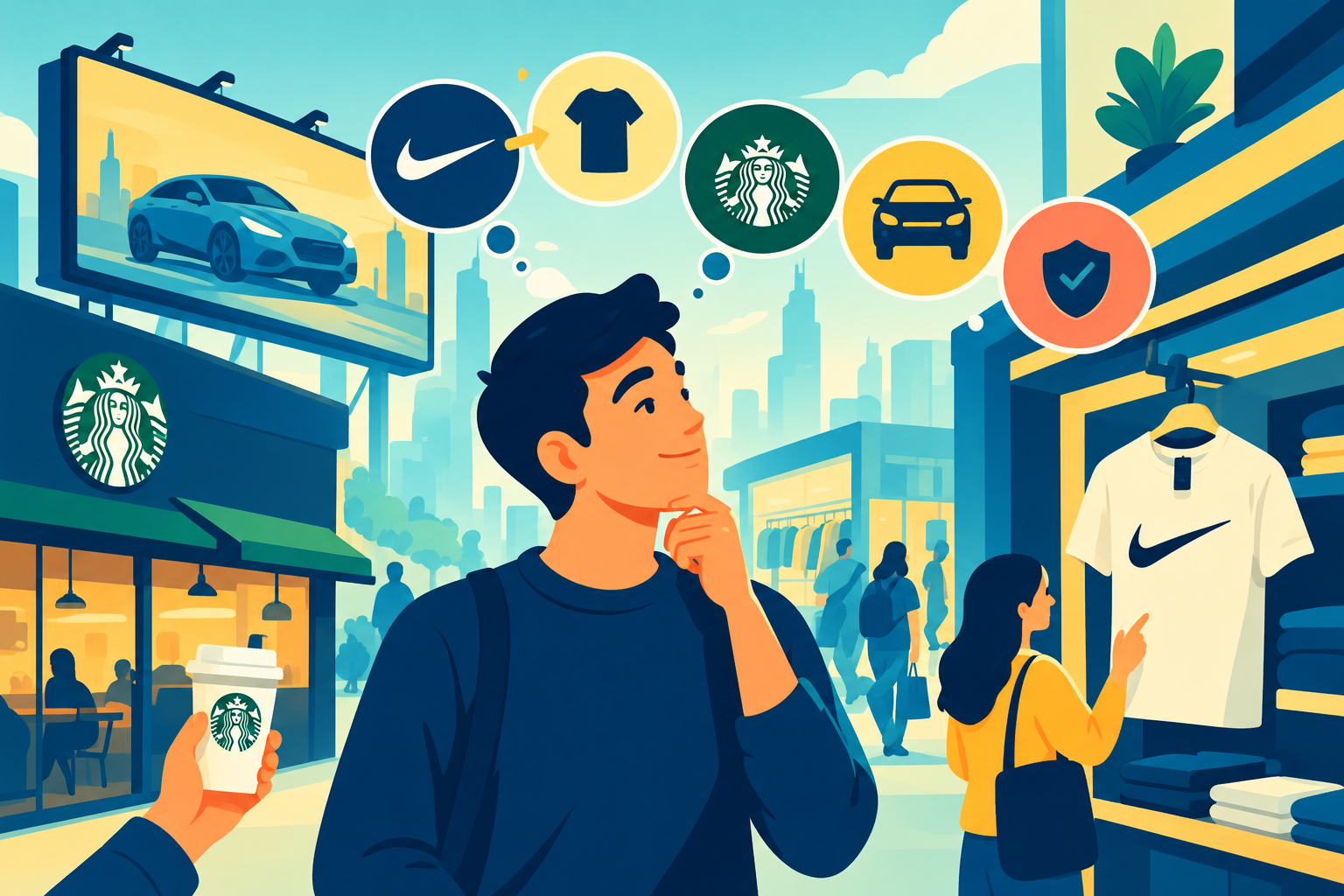
Repeating the logo in local markets months before launch creates instant recognition and removes buying stress.Small tags stitched onto the back of clothes can completely change how people spend money. A person does not know how the factory sewed the cotton threads together or the exact weight of the raw fabric. But seeing the printed logo immediately creates a strong brand meaning. He instantly decides the shirt is high quality just by seeing the quality of the tags.
This early visual choice happens before the buyer even touches the material. According to the global Havas Meaningful report, 77%-78% of brands could disappear tomorrow, and buyers would not notice at all.
To earn a place in a product category, a company must establish a clear brand meaning long before a customer reads the item’s features or description. If the printed name means nothing, the buyer simply ignores the product.
Why Brand Meaning Works Faster Than Printed Product Details
A new company often spends millions of dollars printing long lists of technical features on its packaging. But human eyes ignore those long lists inside a noisy shop. A person wants to feel safe and smart before he spends his money.
If a driver sees a familiar green coffee cup painted on a shop window, he pulls over. That distinct green image has a strong brand meaning. He does not need to read a description to understand how the chef roasts raw coffee beans.
Retail research from Nielsen confirms a specific consumer behaviour. Shoppers pick up an item from a store shelf in under three seconds. In those three short seconds, the human brain does not calculate chemical ingredients; it responds only to the printed logo.
Instead of wasting mental energy analysing every option on a crowded shelf, the buyer relies on this instant visual shortcut. The familiar logo acts as a trusted guarantee of quality, completely removing the stress of making a new decision.
Strong brand meaning can make a buyer pay for a brand without thinking twice. The buyer fully recognizes the outer image, so he skips reading the small print on the back paper label.
This same physical reaction occurs when a driver buys an expensive car. The average driver usually does not know how the engine actually works. He cannot name most parts under the car hood. But he gladly pays fifty lakh rupees to the dealer. He pays cash for this because the shiny badge on the front grille conveys a clear brand meaning. The factory uses a brand name to sell the item first, before describing the machine.
As we discussed in our previous article about marketing simplification, removing extra text makes the buying process much faster. Building brand meaning works the same way. It completely removes the need to explain complicated machine parts. The buyer just looks at the silver badge and makes the payment.
A completely unknown brand faces a major challenge when it puts a new item on the market. Without any existing brand meaning, the new box looks risky to the shopper. The shopper stares at it and feels unsure, then reaches for the older, famous product sitting right next to it.
To overcome this hesitation, smart business owners start displaying their logo in the local market months before the product actually arrives. They print large posters showing their symbol, and this repeated visual pairing slowly builds positive brand meaning.
By the time the item reaches the store shelf, the buyer has already recognised the logo. He picks up the new product and walks straight to the billing counter without asking the shopkeeper a single question.
Loved this article? Read more insightful articles on Brand Custodian.
–Written by Rajnish Kumar, a copywriter and strategist with a background in fast-paced journalism, who explores the gap between what brands promise and how consumers actually behave.