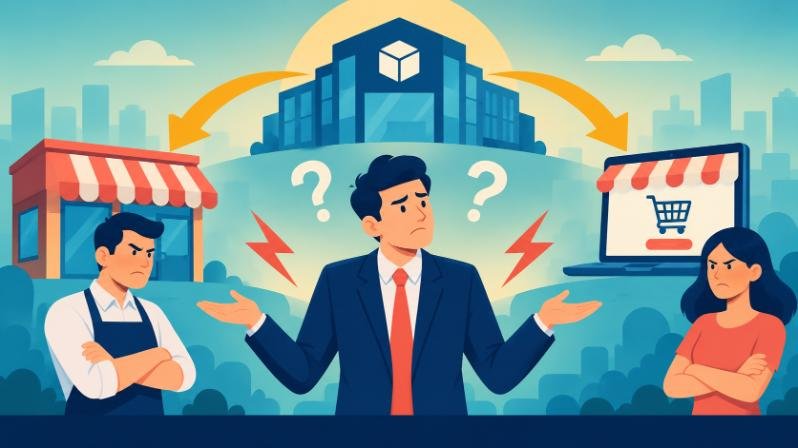
Messy multi-channel strategies are dangerous See how mastering channel conflict turns ordinary networks into success.
Looking for a Shorter Overview?
AI Summary
Key Moments
Price Gap Fuels Conflict
When direct‑online prices undercut stores, retailers feel frustrated and may stop promoting the brand.Coordinated Advertising Saves Budget
Shared campaign planning stops partners from bidding against each other and wasting marketing spend.Consistent Return Policies Retain Customers
Clear cross‑channel returns prevent friction and keep shoppers loyal to the brand.Exclusive Assortments Reduce Competition
Channel‑specific product variations let retailers differentiate and protect margins.A phone manufacturer may sell its devices through local retailers and directly through its own website. If both channels compete for the same customers or offer different prices, retailers may feel undercut. This can create Channel Conflict and strain business partnerships. Companies can reduce the risk by setting clear channel policies, coordinating promotions, and ensuring that retailers and direct sales support one another.
How Brands Stop Ignoring Physical Retail Partners During Channel Conflict
When a manufacturer sells directly online, local retailers may lose sales to the brand’s own website. If the manufacturer does not coordinate its online and retail strategies, this can create Channel Conflict and strain relationships with store owners.
Research from Aberdeen Group suggests that poor coordination between physical and digital sales channels can weaken customer retention. Manufacturers can reduce this risk by working closely with retail partners and aligning prices, promotions, and customer experiences across channels.
If a company’s website suddenly offers lower prices than local stores, retailers may struggle to compete. This can create Channel Conflict, frustrate store owners, and even lead them to stop promoting the manufacturer’s products.
Forrester’s Consumer Pulse Survey found that 60% of U.S. online adults would likely stop shopping with a brand if they discovered it charged different prices for the same product or service across online and physical stores. Coordinating prices and promotions across channels can help maintain customer trust and support stronger relationships with retail partners.
When a company sends identical shoes to several local stores, those retailers may end up competing for the same customers. This can create Channel Conflict and reduce profits for store owners.
Some retailers may ask for exclusive colors or models to help them stand out. McKinsey reports that companies coordinating their retail channels effectively can increase revenue by 5% to 15% annually. Offering selected variations across channels can help retailers differentiate their stores and reduce direct competition.
A customer who buys a laptop online may expect to return it at a nearby store if it arrives damaged. If the store refuses the return, the confusing process can create Channel Conflict and leave the customer frustrated.
As we discussed in our previous article about Marketing Myopia, a poor customer experience can weaken loyalty. Research from FedEx and Morning Consult found that 68% of shoppers consider a retailer’s return policy when deciding where to shop. Clear, consistent return policies across online and in-store channels can help prevent confusion and retain customers.
When a manufacturer and its retail partner run ads for the same audience, they may end up competing for identical clicks and driving up costs. This kind of Channel Conflict can waste marketing budget on both sides. Sharing campaign plans and coordinating targeting can help partners avoid bidding against each other and use their budgets more effectively.
Local retailers often build strong relationships with customers in their communities. If a manufacturer contacts those same customers directly without coordinating with its retail partners, it can create Channel Conflict and damage valuable relationships. A retailer may then choose to work with a competing brand instead.
Gartner reports that 89% of businesses compete primarily through customer experience. Manufacturers can help deliver a consistent experience by supporting their retail partners and coordinating how they communicate with customers. Strong partnerships can encourage retailers to keep ordering and help protect long-term sales.
Businesses can reduce Channel Conflict by coordinating inventory and pricing across their websites and retail stores. Shared inventory information helps partners stay aligned, while clear agreements on margins and promotions can prevent one sales channel from undercutting another.
Also read: Can Retail Execution Make a Strong Marketing Strategy Fail at the Point of Sale?
Leaders can also bring retail partners together to review promotion schedules, customer data, and sales policies. Clear rules for online referrals and sales territories help protect retailer margins and build trust. When companies focus on mutual success rather than favoring direct online sales, they can strengthen their distribution network and reach customers more consistently.
Loved this article? Read more insightful articles on Brand Custodian.
–Written by Rajnish Kumar, a copywriter and strategist with a background in fast-paced journalism, who explores the gap between what brands promise and how consumers actually behave.