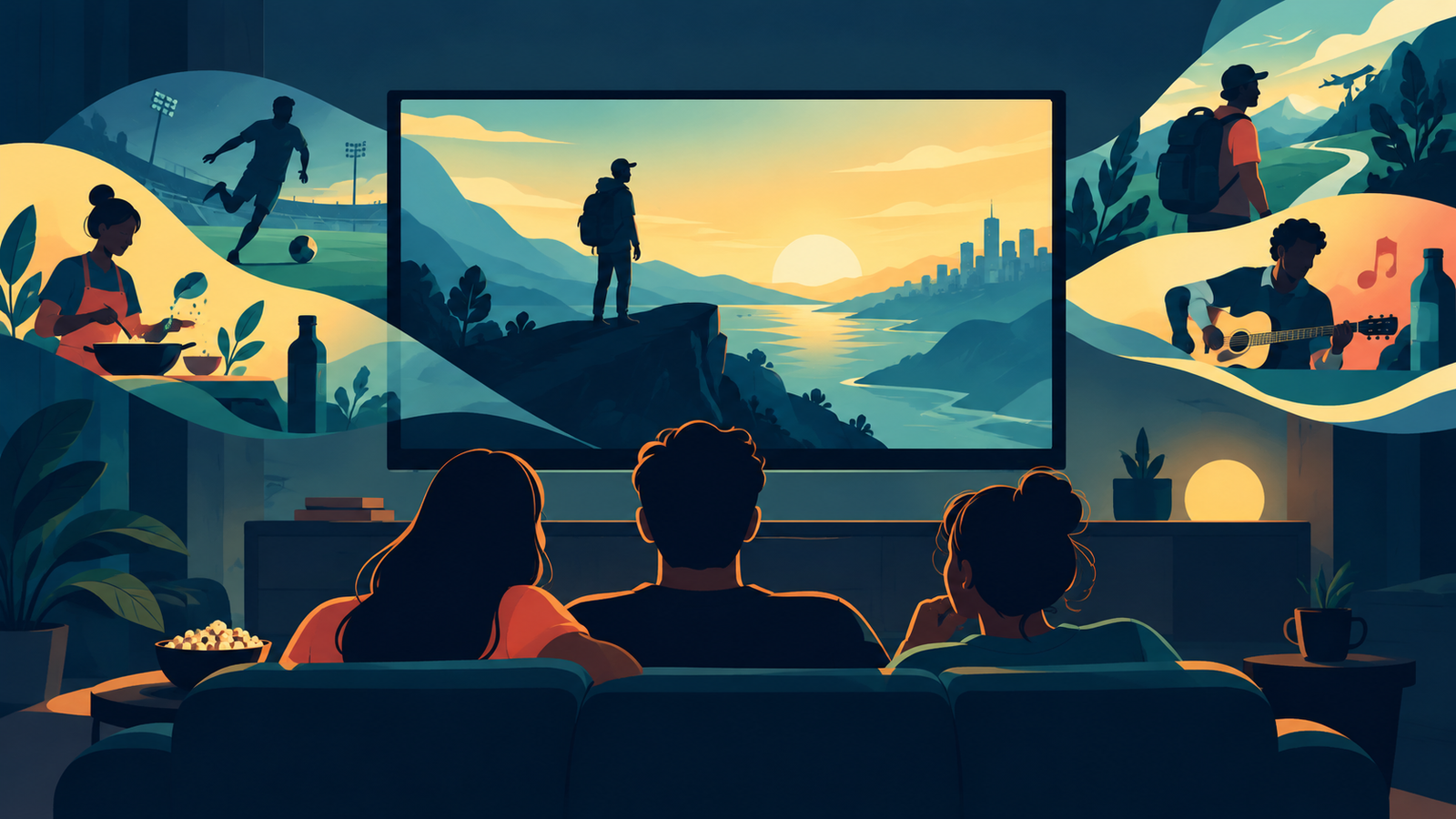
Discover how Branded Entertainment helps brands engage audiences through compelling storytelling, build trust and create meaningful connections.
Looking for a Shorter Overview?
AI Summary
Key Moments
Brand as Story Partner
Branded entertainment merges marketing and entertainment by weaving a brand meaningfully into content people choose to consume.LEGO Movie Example
LEGO succeeded because the brand served as narrative foundation, not just product placement.Creative Freedom Is Crucial
Brands must allow creators autonomy; forcing every moment to sell erodes authenticity.Earn Attention, Don’t Assume It
Audiences must be earned through valuable, engaging content, measured by impact beyond simple views.For years, advertising has followed a familiar formula. Brands create a message, find a platform to distribute it, and compete for the audience’s attention. But as consumers gain greater control over what they watch, read and listen to, interrupting their favourite content with another sales pitch is becoming a less appealing way to build connections. This is where Branded Entertainment offers a different approach. Instead of placing advertisements around stories people already enjoy, brands can become part of the entertainment itself. The challenge is to create something audiences genuinely want to experience, even when they know a brand is behind it.
How Branded Entertainment Makes Brands Part of the Story
Branded Entertainment brings marketing and entertainment together by integrating a brand into content that people choose to consume. This could take the form of a documentary, a short film, a podcast, a digital series or even a full-length movie. Unlike conventional advertising, which often pauses the audience’s experience to deliver a message, this approach uses storytelling to build a connection between the brand and its audience.
The distinction between product placement and branded entertainment is important. Product placement typically involves featuring a product within existing content, while branded entertainment gives the brand a more meaningful role in the experience. The brand might fund a programme, contribute to its creative direction or develop a story around themes that reflect its values. When executed well, its involvement feels relevant rather than forced.
Consider The LEGO Movie. Rather than relying solely on advertisements to promote its products, LEGO became the foundation of an entire cinematic experience. The film entertained audiences through its characters, humour and storyline while keeping the brand central to the world it created. It demonstrated how a brand could offer entertainment in its own right instead of simply asking people to pay attention to a promotional message.
However, successful branded entertainment does not depend on making every story about a product. The stronger approach is to identify what an audience cares about and find a natural connection with the brand. A sports company might support stories about athletes overcoming adversity, while a food brand could explore family traditions and the role of cooking in bringing people together. The product does not always need to take centre stage. Sometimes, the values associated with it are enough to establish a meaningful connection.
This approach also gives brands more opportunities to build relationships over time. A single advertisement might generate awareness, but a well-developed series or podcast can give audiences a reason to return. Digital platforms make it possible to distribute these experiences across multiple channels, extending their reach and encouraging people to share them with others. The objective is not simply to attract attention once, but to create something worth engaging with repeatedly.
Also read: Can AI Media Planning Make Sponsorship Decisions More Efficient?
That does not mean branded entertainment is automatically more effective than traditional advertising. Its success depends on the quality of the content, the relevance of the partnership and the audience’s response. A poorly executed story can be just as forgettable as an ordinary advertisement, while an obvious sales pitch disguised as entertainment can undermine the experience.
Brands must also recognise that creative freedom matters. If every character, conversation or storyline is designed to reinforce a product message, the content can quickly lose its authenticity. Giving filmmakers, creators and production teams room to develop compelling ideas is essential. The brand still needs clear objectives, but those objectives should guide the creative process rather than dictate every moment of the story.
Measurement requires a similarly balanced approach. Views and reach can indicate how many people encountered the content, but they do not necessarily reveal whether it made an impression. Engagement, completion rates, audience sentiment, brand recall and changes in consideration can provide a more useful picture of its impact. The right measures will depend on what the campaign is intended to achieve.
Ultimately, Branded Entertainment works best when brands understand that audiences do not owe them their attention. They have to earn it by offering something enjoyable, interesting or meaningful. Traditional advertising will continue to have its place, but entertainment creates another opportunity to build familiarity and trust without constantly interrupting the audience.
The question for marketers, then, is not simply how to get their message in front of more people. It is whether they can create something people would choose to watch even if the brand name were not the first thing they noticed.
– Written by Saad Rashid, an experienced journalist with extensive experience across both print and digital media. He has worked with various publications in India and internationally and has reached millions of readers through his thought-provoking articles.
Enjoyed this article? Read more here.