High brand visibility is useless without operational trust. Explore why customer retention matters more than viral marketing.
Looking for a Shorter Overview?
AI Summary
Key Moments
Visibility ≠ Profitability
A viral moment alone does not guarantee sales or long‑term trust for a brand.Operational Trust is Critical
Solid product, checkout, and service are essential; otherwise visibility amplifies failure.Repeat Buyers Drive Sustainable Growth
Returning customers provide stable revenue and lower acquisition costs over time.Budget Shift Needed
Move funds from flashy ads to product development and customer care to protect the brand.A sudden spike in brand visibility is often the worst thing that can happen to a business that’s not ready. When a mediocre company gets millions of views overnight on social media, the management team usually celebrates the huge spike in website traffic. But a logo on a phone isn’t the same as buying that brand’s products.
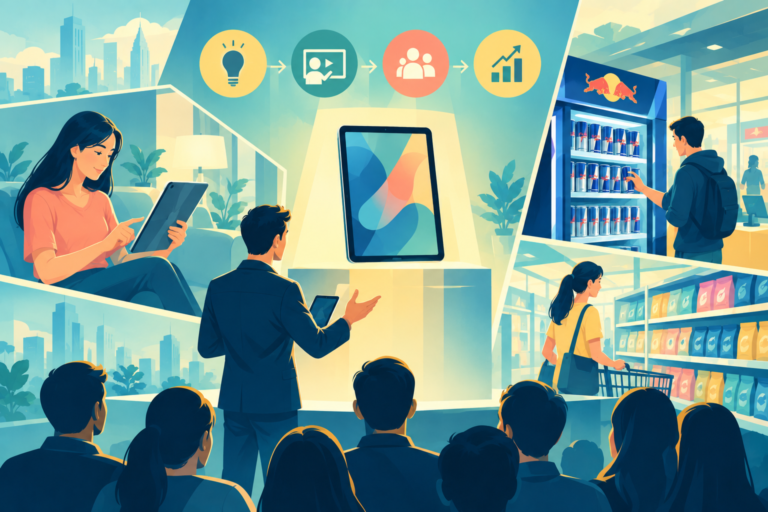
The modern retail industry is completely addicted to buying attention. Companies spend huge budgets desperately trying to get noticed, assuming that a huge crowd automatically equals huge profits.
But a massive viral moment does not make a brand profitable, and it definitely does not build long-term consumer trust. If your checkout page crashes, your shipping is delayed, or your physical product feels cheap, paying to get seen guarantees that a massive crowd gets to watch you fail.
Why Brand Visibility Fails Without Operational Trust
Imagine a new tech gadget startup that pays a famous YouTube creator for a sponsored video. The video hits millions of views overnight. Suddenly, thousands of people click on the company’s website. But when those visitors actually try to check out, the website completely crashes because the hosting servers are cheap.
And those who manage to place an order discover that standard shipping costs 199 rupees and takes more than two weeks to arrive. And when the package finally comes, it is packed in a thin, crushed cardboard box. The gadget itself feels flimsy, and the plastic buttons stick.
The startup successfully bought attention, but they completely failed to build operational trust. When a business relies entirely on getting seen, management ignores the boring backend details that actually keep a company alive. Website traffic is completely useless if your payment gateway is broken and your product is garbage.
You can see this same failure in physical retail. Think about a terrible restaurant located right in the middle of a busy tourist spot. Thousands of people walk past their giant, expensive hoarding every single day. That restaurant has maximum exposure. But the food arrives cold, the staff ignores the tables, and the overall dining experience is miserable.
That high foot traffic just means a thousand people a day are discovering exactly how bad the business really is. Those unhappy customers will leave terrible online reviews and permanently ruin the company’s reputation.
Now look at a quiet, independent coffee shop somewhere in a residential street. They have zero advertising budget, no billboards, and a very small social media following. But the owner treats every regular buyer with respect, the coffee is perfectly roasted, and the ambience is comfortable.
That shop has a line out the door every single morning. They do not need millions of online impressions because the actual physical product creates absolute loyalty. Their customers do the marketing for them through word of mouth.
A company cannot survive on first-time buyers alone. Customer acquisition costs are constantly rising.
If a brand spends heavily to win a buyer, but that buyer never returns because the product failed to impress, the business will eventually burn through its cash reserves and go bankrupt. Once a customer feels scammed by a heavily advertised brand, they never come back.
Companies can avoid this financial trap by shifting budget away from flashy ads and putting more money into product development and customer care.
Also read: Why Customer Retention Begins Before the First Purchase
Business leaders need to stop treating attention as the ultimate win. Before a company spends a single rupee on a major marketing campaign, management must fix the operational backend.
True business equity comes from repeat buyers who trust your consistent quality, not random internet scrollers who clicked a viral link by accident.
– Written by Rajnish Singh, a copywriter and strategist with a background in fast-paced journalism, who explores the gap between what brands promise and how consumers actually behave.