Messy combination strategies are dangerous See how mastering brand mergers turns ordinary firms into success.
Looking for a Shorter Overview?
AI Summary
Key Moments
Packaging changes confuse shoppers
Altered product names and designs make loyal buyers uncertain, leading to lost sales.Duplicate ads waste budget
Running two marketing systems simultaneously creates overlapping campaigns and unnecessary spend.Culture clash drives employee turnover
Mismatched workplace norms cause 70% of staff to feel disengaged and seek new jobs.Confusing merged names hurt recall
Long, hard‑to‑pronounce brand names push customers toward clearer competitor alternatives.When two businesses merge, leaders may expect the combined company to earn more right away. But bringing together different marketing systems and brand approaches can confuse customers and create costly problems. These challenges can make Brand Mergers harder to manage and may affect sales. Understanding the common risks can help companies plan the transition more carefully and protect customer trust and future revenue.
How Brands Stop Confusing Loyal Human Buyers During Brand Mergers
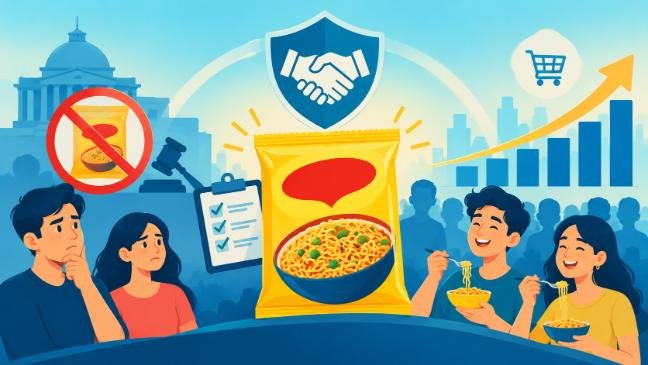
When two companies merge, familiar products and packaging may change. If a customer can no longer recognize the soap brand they usually buy, they may feel confused and switch to a competitor. Poorly managed Brand Mergers can put customer loyalty at risk.
Harvard Business Review reports that 70% to 90% of acquisitions fail to meet their objectives. Companies should closely monitor customer habits during a merger and introduce packaging changes carefully to maintain trust.
When two companies merge, their workplace cultures may differ. For example, one company may allow casual clothing while another expects formal business attire. If leaders impose one set of rules without considering these differences, employees may feel dissatisfied, and experienced staff may leave. Poorly managed Brand Mergers can therefore disrupt both teams and operations.
KPMG reports that 83% of merged companies do not increase shareholder returns. A thoughtful integration plan can help leaders align workplace expectations, retain skilled employees, and reduce conflict during the transition. After a merger, a company may end up with two websites and separate marketing systems. If both teams continue running ads for the same audience, the business can pay twice to reach the same people. Poorly managed Brand Mergers can therefore waste advertising money.
As we discussed in our previous article about Campaign Fatigue, duplicate ads can also frustrate customers. Gartner reports that fully integrating marketing systems can take 14 to 18 months. In the meantime, teams can review campaigns together and reduce overlapping ads to control costs.
A luxury car company and a budget carmaker serve different customers with distinct needs. If a merger blurs those differences, wealthy buyers may turn away from lower-priced models, while budget-conscious shoppers may not be able to afford the new prices. Poorly managed Brand Mergers can confuse customers and weaken both product lines. Bain reports that 70% of corporate combinations fail to meet their projected revenue targets. During an integration, managers should preserve clear product positioning so each brand continues to serve its intended audience.
After a merger, combining two company names into one long, complicated word can make the new brand difficult to pronounce and remember. This kind of Brand Mergers decision may confuse shoppers, who could instead choose a competitor with a simpler name. Companies should consider whether a clear, easy-to-recognize name would serve customers better. Simplifying the brand structure can improve recognition and make products easier to find.
Also read: Why Does Product Placement Matter in Modern Advertising?
When two companies merge, disagreements between their marketing teams can delay campaigns. If teams cannot agree on visual styles or brand colors, advertising may pause while competitors continue reaching customers. Slow Brand Mergers can therefore cost a business time and attention.
Gallup reports that 70% of employees feel disengaged during major organizational changes. Clear communication and timely decisions can help teams work through disagreements and keep marketing campaigns moving during the transition.
Managing Brand Mergers well requires a clear plan for bringing together customer data, systems, and brand identities. Rather than changing every logo and package overnight, companies can keep familiar brand names as endorsed sub-brands during a gradual transition. This gives customers time to adjust and helps preserve the recognition and trust built over the years.
Companies should also assign leaders to manage the transition and monitor employee feedback, customer retention, and campaign performance. When teams disagree about branding or technology, clear decisions can prevent work from stalling. A steady, well-communicated approach helps protect the company’s reputation and support future growth.
Loved this article? Read more insightful articles on Brand Custodian.
–Written by Rajnish Kumar, a copywriter and strategist with a background in fast-paced journalism, who explores the gap between what brands promise and how consumers actually behave.