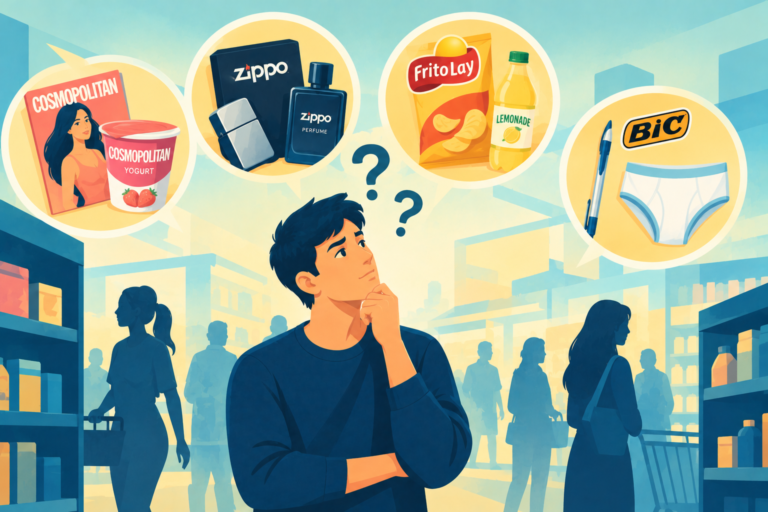
Market Memory explains why brands that build lasting associations can outlive campaigns, capture attention and stay top of mind.
Looking for a Shorter Overview?
AI Summary
Key Moments
Pre-existing Brand Memory Influence
Every campaign builds upon existing consumer perceptions and memories about a brand.Attention vs. Memory Distinction
True marketing impact requires creating retrievable memories, not just momentary attention.Distinctive Brand Assets
Consistent visual and verbal cues serve as shortcuts to brand recall.Long-term Marketing Value
Lasting brand familiarity compounds over time, driving better campaign performance.A marketing campaign can be forgotten long before its media budget runs out. People may see an ad, watch a video or engage with a post, but that does not necessarily mean the brand has made a lasting impression. What stays with people is often something broader: familiarity with the brand, the associations attached to it and the memories built through previous experiences. This is what makes Market Memory so important. Every new campaign enters a market where people already have ideas about brands, even if those ideas are vague or incomplete.
Market Memory Is Built Long Before the Campaign Begins
No campaign really starts from zero. Before a new message appears, consumers may already have encountered the brand through advertising, social media, search, word of mouth, customer experiences, packaging, or even conversations with other people. They may not remember a particular campaign, but those previous encounters can influence whether the next message feels familiar, credible, or worth paying attention to. In that sense, every campaign inherits the memory a brand has already created.
This also explains why two brands can spend similar amounts on advertising and see very different results. One may already be associated with a particular category, need, or benefit, while the other has to spend its campaign explaining who it is and why it matters. The difference is not necessarily better media or better copy. Sometimes, it is simply that one brand has more established mental availability.
The distinction between attention and memory matters here. A person can see an advertisement without really noticing it, notice it without connecting it to the brand, or recognise the brand without forming an association that is useful later. Exposure, therefore, is only the beginning. For marketing to have a longer-term effect, the brand needs to leave behind something that can be retrieved when the relevant buying situation arises.
That is where distinctive brand assets become valuable. A colour, sound, visual style, character, phrase, product shape or recognisable tone can act as a shortcut to the brand. People rarely retain every detail of a campaign. They tend to retain fragments, and distinctive cues can help those fragments lead back to the right brand.
Also read: Why IKEA Makes Effort Feel Rewarding
Consistency plays an equally important role, but consistency should not be confused with repetition. Showing exactly the same creative again and again can create fatigue. The more useful approach is to keep the core brand cues stable while allowing the story, format, and execution to change. This gives audiences something familiar to recognise without making every campaign feel identical.
This becomes particularly relevant in a marketing environment increasingly shaped by AI and high-volume content production. When almost every brand can produce polished posts, videos and articles at speed, publishing more does not automatically make a brand more memorable. In fact, greater volume can contribute to sameness if brands lose their distinctive point of view or visual identity.
The measurement of marketing also needs to reflect this reality. Clicks, impressions, engagement, and conversions remain useful, especially for understanding immediate campaign performance. But they do not tell the whole story. Branded search, direct traffic, repeat engagement, consideration, and recall can offer clues about whether a brand is becoming more established in people’s minds. Memory effects can take longer to appear than the campaign itself, which means evaluating marketing only while the campaign is live can miss part of its impact.
Ultimately, the strongest campaigns do more than win attention for a few seconds. They add another layer to what people already know about a brand. They reinforce an association, make a brand easier to recognise, or connect it with a particular need. Over time, those small additions compound into something campaigns cannot create overnight: familiarity.
That is why Market Memory can outlast individual marketing campaigns. Campaigns come and go, media plans change, and creative gets replaced. But the memory a brand builds can influence how the next campaign is received, how quickly a consumer recognises it, and whether the brand comes to mind when a buying decision finally happens. The real value of marketing, then, is not only what people do during a campaign. It is what they remember after it is over.