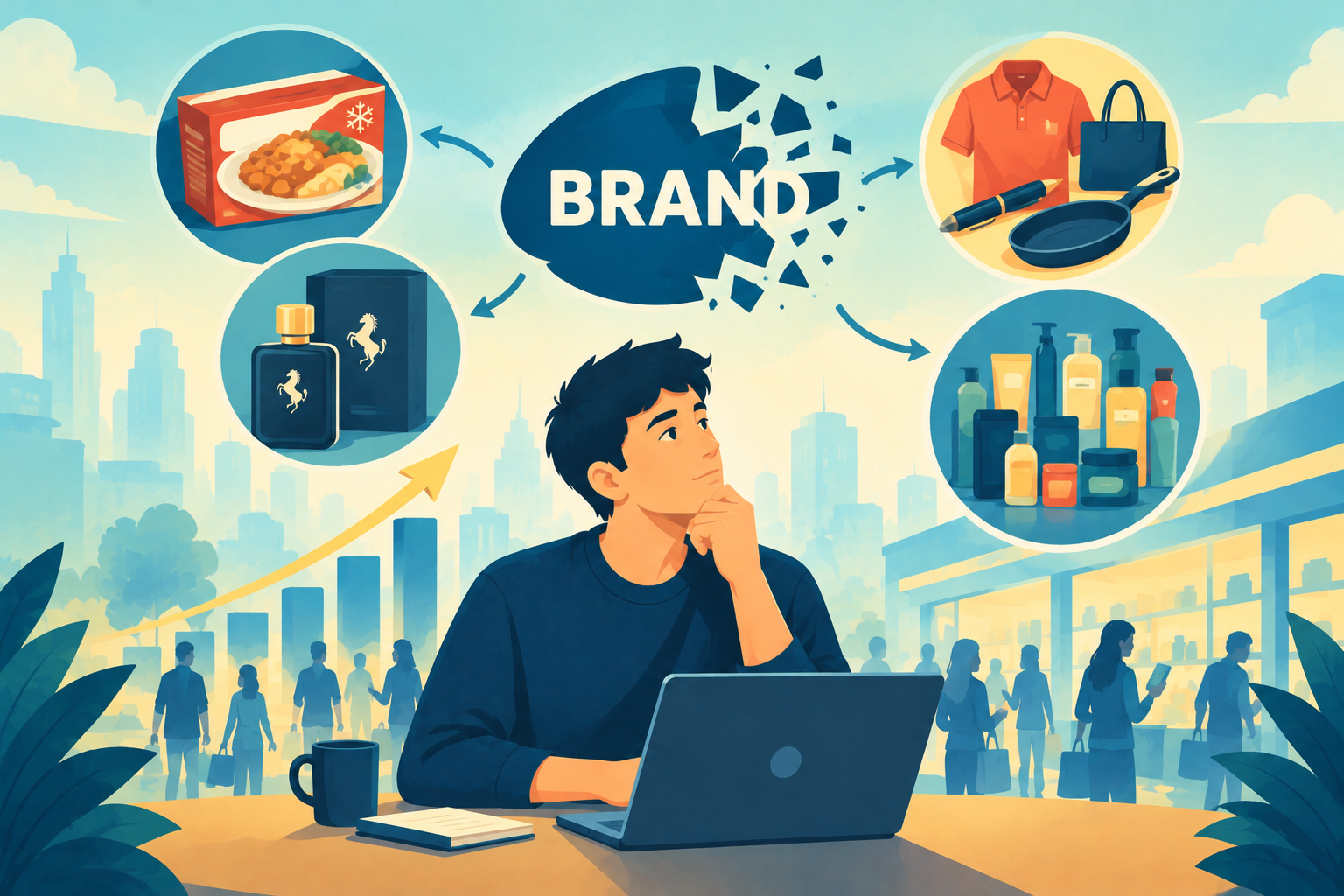
Stop stretching your name too far. Learn how brilliant brand dilution control protects massive retail revenue instantly.
Looking for a Shorter Overview?
AI Summary
Key Moments
Professor David Aaker's Warning
Stretching a brand too far reduces its perceived value and can confuse loyal customers.Real‑World Brand Failures
Colgate’s food line and Harley‑Davidson’s perfume alienated fans and damaged credibility.Premium Brand Risk
Over‑licensing high‑end names into cheap products makes customers associate the brand with low quality.Financial Impact of Dilution
Mismeasured expansions can slash market value by up to 40% within five years.Retail managers build successful companies over many years and often expand their product ranges to increase sales. However, placing a well-known brand name on unrelated products can quickly lead to Brand Dilution.
Marketing professor David Aaker has studied this business problem and found that stretching a brand too far can reduce its perceived value. Although introducing unrelated products may increase sales at first, it can eventually confuse loyal customers and weaken the reputation of the original product. Businesses need to understand the key reasons why Brand Dilution can damage long-term growth.
How Brands Trigger Brand Dilution with Unrelated Items
Consumer goods companies can create brand dilution when they apply a familiar brand name to unrelated products. Colgate experienced this problem when it test-marketed a food line in 1964 under the “Colgate Kitchen” label.
When shoppers saw the packaging, they immediately associated the brand with the strong mint flavor of toothpaste, making the frozen meals seem unappealing. Customers rejected the unusual combination, and Colgate soon discontinued the product. This example shows that even a famous brand can struggle when it moves too far outside its established category.
Successful businesses usually create products for a clearly defined audience. Harley-Davidson moved away from this principle in the 1990s when it introduced a fragrance alongside its motorcycles.
The brand was known for powerful motorcycles and a rugged image, but the perfume did not fit the expectations of its loyal riders. Many customers disliked the sweet scent and felt it conflicted with the brand’s tough identity. This created Brand Dilution, leading to complaints and weakening the company’s connection with its core audience. Harley-Davidson eventually discontinued the fragrance.
Fashion brands can weaken their premium image when they place their name on too many low-cost products. French designer Pierre Cardin sold high-end clothing in the 1960s, but later licensed the brand name for hundreds of inexpensive items, including plastic pens and frying pans.
This widespread licensing created serious Brand Dilution. Wealthy customers began to associate the name with cheap products, making the designer clothing feel less exclusive. Nielsen reports that around 85% of new consumer products fail, and extending a premium brand into unrelated, low-quality categories can damage its reputation and reduce its long-term value.
Shoppers need clear and manageable choices when they visit a supermarket. Research by Columbia University professor Sheena Iyengar found that customers can buy significantly more when stores present six options instead of 24.
For example, someone looking for a basic white soap may feel overwhelmed when one brand offers 15 different varieties in similar boxes. This confusion can contribute to Brand Dilution because customers struggle to identify the original product. They may choose a competitor instead, causing the store to lose the sale. By offering a focused range of products, businesses can make decisions easier and protect the value of their main brand.
Company leaders should follow an important rule when expanding a business: selling unrelated products can lead to severe Brand Dilution. Research from McKinsey & Company suggests that companies that make this mistake may lose up to 40% of their market value within five years, while investor confidence and stock prices decline.
Also read: Can Brand Archetypes Make Storytelling Feel More Authentic?
For example, a well-known coffee shop would likely struggle to sell car tires because the product does not fit the brand’s identity. Businesses should protect their core offering and evaluate new products carefully. Any expansion should share meaningful qualities with the original brand so customers can understand and trust the new products.
Loved this article? Read more insightful articles on Brand Custodian.
–Written by Rajnish Kumar, a copywriter and strategist with a background in fast-paced journalism, who explores the gap between what brands promise and how consumers actually behave.