People do not buy the best product; they buy what they remember first. Learn how competitive memory drives brand leadership.
Looking for a Shorter Overview?
AI Summary
Key Moments
Competitive memory definition
Automatic mental recall where brands become buyer's default choice without conscious comparisonWhy features lose to memory
Consumers rely on familiar patterns to save time and energy, not product superiorityBuilding brand dominance
Consistent messaging over decades creates unbreakable competitive memory in consumers' mindsMaintaining market position
Brands must communicate consistently or risk losing their top spot to competitorsPeople rarely buy the best product on the market. Buyers usually choose the item they remember first. When someone needs a quick solution, the brain doesn’t run a detailed comparison; it simply reaches for the fastest available answer. If someone needs to search the web, they say, ‘Google it’, and if someone cuts their finger, they simply ask for a Band-Aid.
This automatic mental recall is called competitive memory. Once a business successfully builds strong competitive memory, it stops fighting for daily attention and becomes the buyer’s default choice.
Why Competitive Memory Beats Better Features
Creating this level of instant memory takes strict discipline. A company cannot change its core message every six months and expect people to remember it. Look at the adhesive market in India. A carpenter fixing a wooden chair does not compare five different adhesive brands. The worker simply goes to a local hardware store and asks for Fevicol.
That brand spent decades tying its name to the very problem of broken items. This strong competitive memory shuts rival products out entirely. By the time the shopper reaches the retail store, the purchase decision has already been made. A competitor never even had a chance to pitch a different or better product.
Many companies mistakenly believe that launching a slightly better product will automatically lead to higher sales. But consumers are very busy and constantly distracted. A typical person relies on familiar patterns to save time.
Look at the toothpaste industry. Colgate has delivered the same message about strong, cavity-free teeth for generations. The company never suddenly pivoted to selling luxury lifestyle cosmetics. Because the business has stayed highly focused, shoppers naturally reach for the familiar red-and-white box without even thinking about it.
That natural reflex is the direct result of strong competitive memory. The human brain chooses the safest option to save energy.
Food companies also understand this psychological advantage perfectly. When a student feels hungry late at night, that person does not consider the nutritional value of different snacks. The brain instantly craves something simple and easy to cook.
In India, that automatically means Maggi. The company did not just sell a yellow packet of wheat noodles; it sold a quick, hot solution to sudden hunger. Through decades of consistent messaging, the brand embedded itself in daily life. Building this kind of competitive memory means that even when dozens of new brands enter the market, the original product rarely loses its top position. People simply buy what feels familiar.
However, keeping that top spot in a buyer’s mind is an ongoing battle. If a leading brand stops communicating with the public, that top spot quickly fades. A rival company will step in and fill the silence.
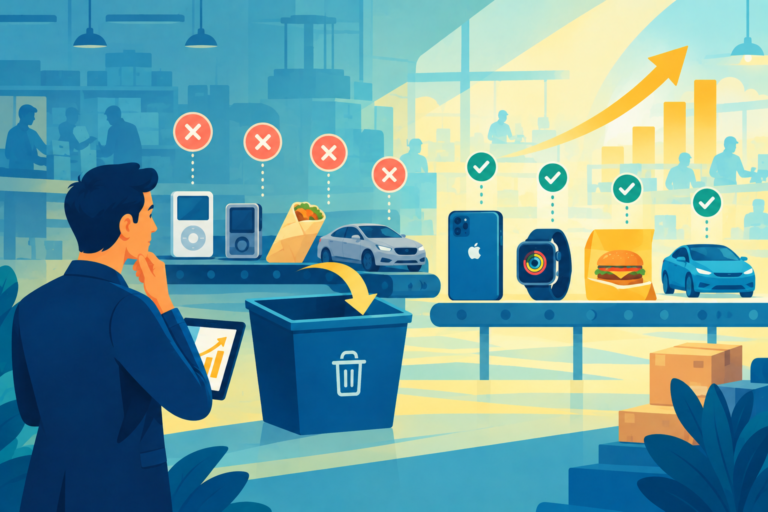
The mobile phone industry shows this perfectly. Brands that were once household names vanished simply because they stopped reminding people why they mattered. To protect their place in consumers’ minds, smart companies run steady advertising even when sales are already high. Stepping out of the spotlight means competitors will quickly erase them from buyers’ minds.
Another major factor in this process is emotion. A buyer remembers how a company made them feel far longer than they remember the price tag or product quality. If a delivery app consistently brings chilled drinks on a hot summer day, the customer feels a genuine sense of relief.
The next time a buyer wants to place an order, the brain automatically opens that specific app. Good customer service directly fuels competitive memory, making it incredibly difficult for a cheaper competitor to win that loyal buyer.
At the end of the day, marketing is a quiet battle for mental space. Winning companies do not always offer the most advanced technology. Instead, these brands just make themselves impossible to forget.
Also read: What Britannia Branding Teaches About Everyday Relevance
By showing up consistently and solving problems reliably, a business builds unbreakable competitive memory. When a brand reaches this rare status, it no longer has to chase customers. Buyers will naturally come looking for them the exact second a need arises.
Loved this article? Read more insightful articles on Brand Custodian.
–Written by Rajnish Singh, a copywriter and strategist with a background in fast-paced journalism, who explores the gap between what brands promise and how consumers actually behave.