Careless category stretching is dangerous. See how mastering brand extensions turns ordinary ideas into an unstoppable success.
Looking for a Shorter Overview?
AI Summary
Key Moments
High failure rate of new products
75% to 85% of new consumer products fail in their first year when extensions misalign with brand identity.Real-world brand extension failures
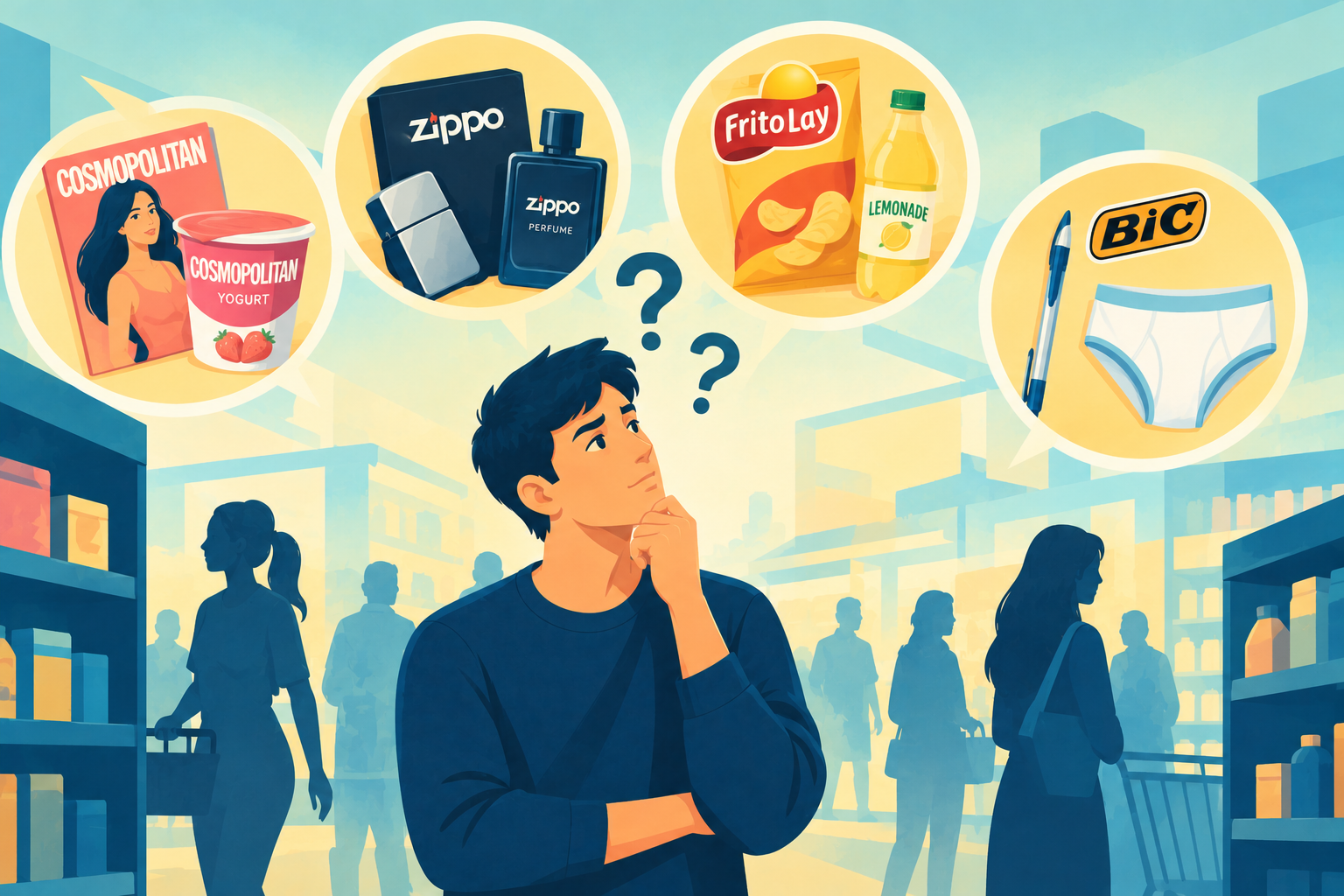
Examples like Cosmopolitan yogurt, Zippo perfume, Frito-Lay lemonade, and Bic paper underwear illustrate costly confusion.Successful extensions require logical connection
A clear link to the core brand and meeting extra consumer needs can boost growth by about 17%.Loss of brand clarity risks trust and profit
When customers no longer understand a brand, trust erodes and revenue suffers, urging careful evaluation.Successful companies often introduce new products to increase sales. When they place a familiar brand name on products from a different category, these products are known as Brand Extensions.
Brand Extensions can create new revenue opportunities, but they may also confuse loyal customers if the new products do not fit the brand’s identity. Research published by the Harvard Business Review suggests that 75% to 85% of new consumer products fail within their first year. Many unsuccessful launches come from famous brands that introduce unrelated products customers do not understand or trust. As a result, businesses can lose significant money on products that fail to attract buyers.
How Brands Fail with Brand Extensions
Publishing companies often create magazines for specific audiences. Cosmopolitan, for example, sells millions of copies worldwide and is known for fashion and lifestyle advice. In 1999, the brand tried to expand into the food market by launching Cosmopolitan yogurt in supermarkets.
This Brand Extension confused shoppers because they associated Cosmopolitan with clothing, beauty, and fashion rather than food. Many customers were reluctant to buy yogurt carrying the same name as a magazine. The product was removed from stores within 18 months, showing how expanding into an unrelated category can lead to financial losses.
Manufacturing companies usually design products for specific purposes. Zippo, for example, is known for its durable metal lighters and the distinctive smell of lighter fluid.
When the company introduced a women’s perfume, shoppers associated the Zippo name with fire, metal, and lighter fluid rather than beauty or fragrance. This Brand Extension created confusion and made the perfume difficult for customers to accept. The product was eventually discontinued, showing that a brand built around practical fire-starting tools may struggle to succeed in the beauty market.
As we discussed in our previous article about Brand Dilution, extending a brand into an unrelated category can create confusion. Frito-Lay is known for producing salty potato chips, but the company once introduced a lemonade drink under the same name.
The familiar logo made shoppers associate the beverage with salty snacks, so they were unsure what the sweet drink would taste like. This Brand Extension did not fit the company’s established identity, and customers were reluctant to try it. The drink was eventually discontinued.
Some companies are successful when they produce inexpensive disposable products. Bic, for example, is known for making affordable plastic pens and razors that customers throw away after use.
However, the company’s attempt to introduce paper underwear in 1998 failed. Although customers were comfortable using low-cost pens and razors, they were unwilling to wear fragile paper clothing directly against their skin. The material tore easily and felt uncomfortable, creating a poor fit with the brand’s established image. Bic eventually removed the underwear from stores.
Business owners should remember that failed Brand Extensions can reduce profits, while successful extensions usually have a clear connection to the original product. A coffee company might logically sell branded coffee cups, but selling car tires would confuse customers and weaken their trust in the brand.
Marketing professor Kevin Lane Keller has studied how consumers respond to these mismatched product categories. Research from Kantar’s Blueprint for Brand Growth suggests that expanding into closely related, complementary categories can double a brand’s chances of growing.
The research also found that meeting just 10% more of consumers’ needs can lead to an average 17% increase in brand growth. When customers no longer understand what a brand stands for, they may stop trusting it.
Also read: Can a Brand Build Cultural Relevance Without Joining Every Conversation?
Managers should therefore evaluate new products carefully and ensure they fit the brand’s established category and identity. Logical connections make it easier for customers to understand the offering and feel confident buying it.
Loved this article? Read more insightful articles on Brand Custodian.
–Written by Rajnish Kumar, a copywriter and strategist with a background in fast-paced journalism, who explores the gap between what brands promise and how consumers actually behave.