Discover why brand preference is driven by habit, emotion, and familiarity rather than logic, and how brands earn lasting trust.
Looking for a Shorter Overview?
AI Summary
Key Moments
Cognitive shortcuts shape brand preference
The brain uses mental shortcuts to conserve energy, making habit the main driver of brand choice.Dettol's pain signal beats logical superiority
The burning sensation became proof of effectiveness, illustrating how emotion overrides rational evaluation.Repetition builds automatic brand habits
Years of consistent exposure create default choices far stronger than any single advertisement.Emotional comfort outweighs features
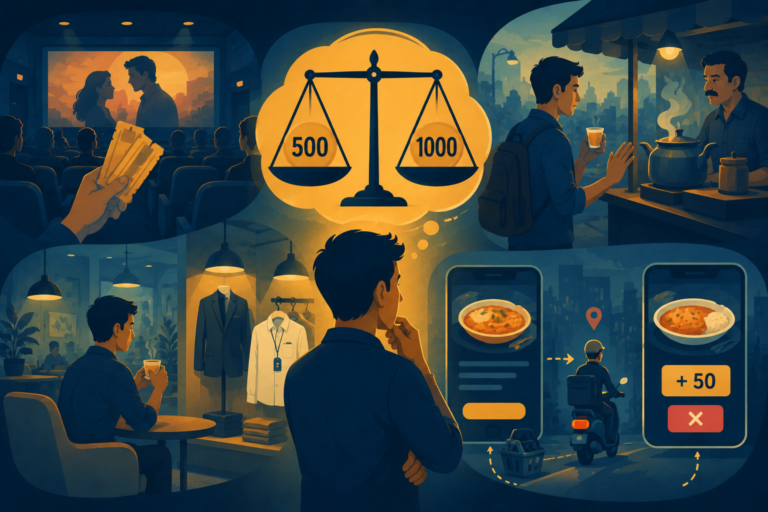
Dominant brands prioritize the consumer’s comfort zone over logical product arguments.Marketers often mistake consumers for highly rational, calculating machines. The industry assumes that putting up a massive billboard listing a product’s top ten features will prompt customers to read the information and logically switch brands.
But the human brain does not work like a corporate spreadsheet. When a shopper walks into a crowded supermarket, they are not looking for the absolute best product in the world. The goal is simply to make the easiest decision.
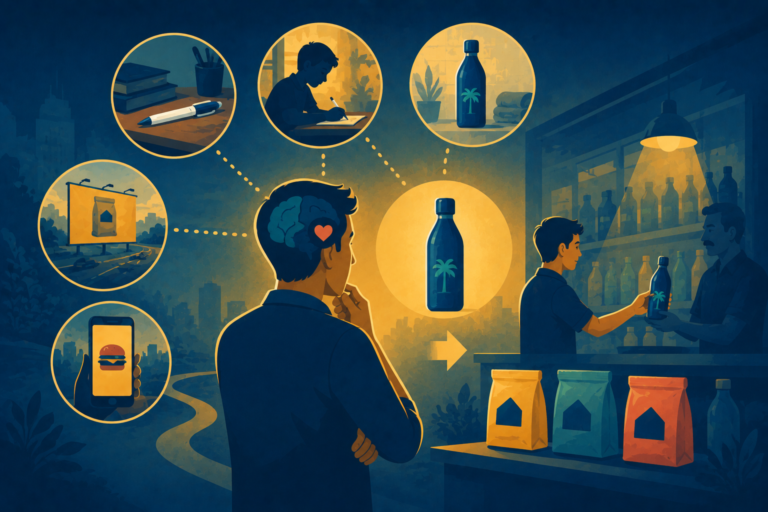
The human brain consumes a massive amount of energy just to keep us alive. So it hates burning extra calories on choosing a bar of soap or a packet of biscuits. That is why it creates shortcuts to get through the day.
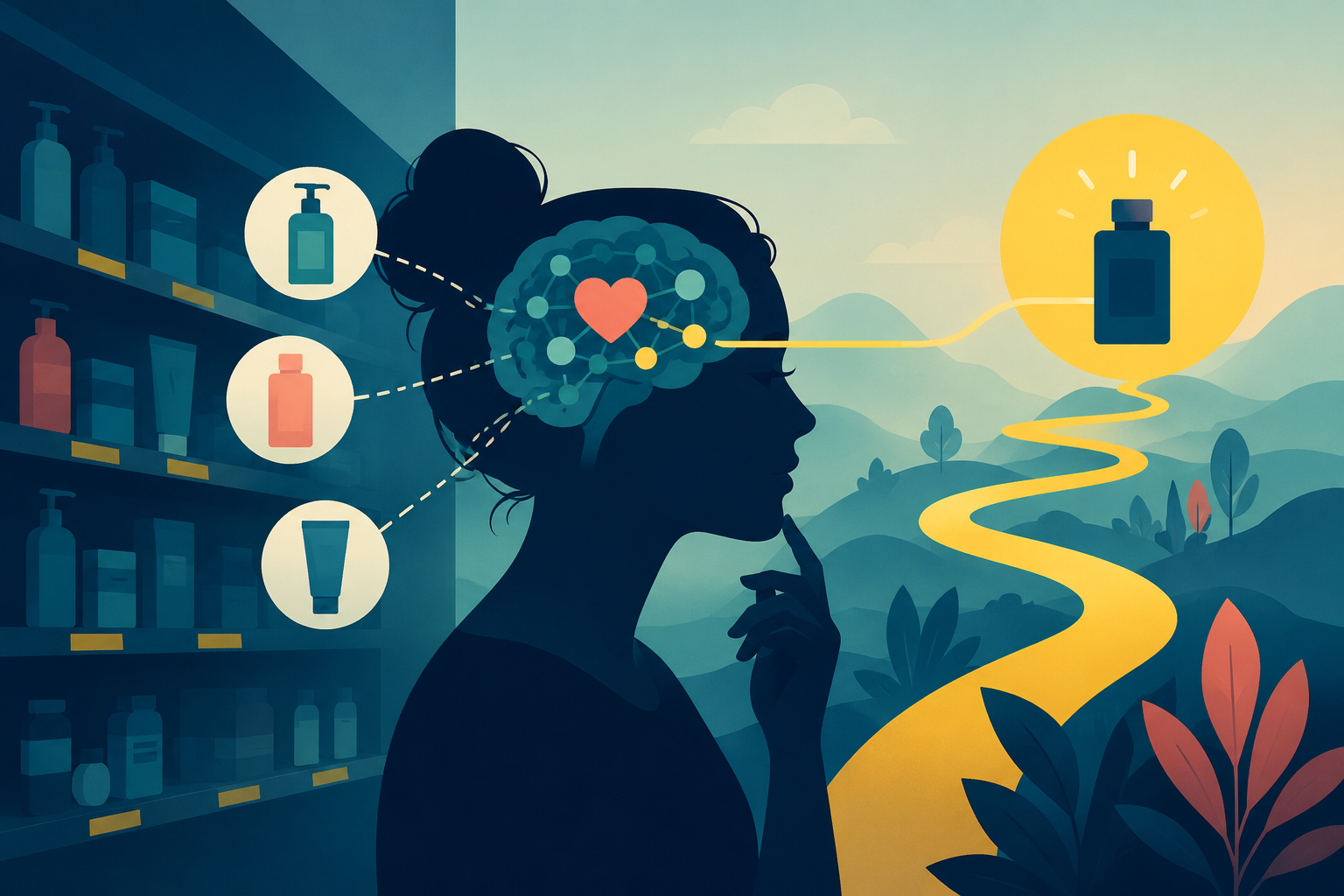
This cognitive shortcut is the real foundation of brand preference. It has very little to do with logic and everything to do with saving mental energy.
The Survival Mechanism Behind Brand Preference
Let us look at one of the greatest rivalries in the Indian market: Dettol versus Savlon.
For decades, Indian mothers have used Dettol antiseptic liquid in bathing water or on a child’s wounded knee. Then Savlon entered the market with a technically superior product by formulating an antiseptic that did not sting or burn when applied to an open wound.
Logically, a medicine that heals a child without causing intense pain should win the market instantly. Every data point would suggest that Savlon is the better choice. But did it destroy Dettol? Not even close.
To the Indian brain, the painful burning sensation of Dettol was never seen as a product flaw. It became physical, undeniable proof that the medicine was actually working and killing germs.
That strong, sharp, hospital-like smell is hardwired into our memories as the ultimate signal of safety. Savlon tried to sell a painless, logically superior formula. But Dettol had already become a deeply rooted emotional habit.
So how does the brain create a default option?
True brand preference is not built through a clever one-week advertising campaign. It is built through years of quiet, consistent repetition.
You do not wake up one morning and logically decide to trust a particular brand of coconut hair oil after reading about its benefits. Instead, you instinctively trust the familiar blue bottle of Parachute.
Why?
Because you have seen that blue bottle in your home for twenty years, used by your mother. That repeated exposure builds a level of brand preference that is incredibly difficult to break.
When the oil freezes solid during North Indian winters, you do not get frustrated and switch to another brand. You simply place the blue plastic bottle in lukewarm water or leave it in the sun on the terrace while enjoying the winter sunshine.
In fact, for many Indian consumers, the fact that Parachute freezes in winter is the ultimate proof that the coconut oil is pure and unadulterated.
When a new competitor tries to break this bond, the usual mistake is shouting about new features. They talk about added vitamins, non-sticky formulas, or modern packaging.
Also read: What Brand Extension Gets Wrong Most of the Time
But these challengers forget that they are competing against decades of mental conditioning. To change a consumer’s brand preference, a company does not simply have to build a better product. It has to break a deeply rooted neurological reflex.
If you want your brand to win, you have to stop acting like a salesperson and start thinking like a psychologist. You have to understand how the consumer’s mind works.
The brands that dominate categories do not try to convince your logical brain. Instead, they make the consumer’s emotional comfort zone their priority.
These category leaders know that when people are tired, stressed, or in a hurry, they will never stop to compare ingredient lists or analyse product features. A stressed shopper will almost always reach for the product that feels familiar.
You can persuade a customer to buy your product for the first time with a heavy discount. But you can build long-term brand preference only by becoming a permanent, unquestioned habit in the consumer’s daily life.
– Written by Rajnish Singh, a copywriter and strategist with a background in fast-paced journalism, who explores the gap between what brands promise and how consumers actually behave.