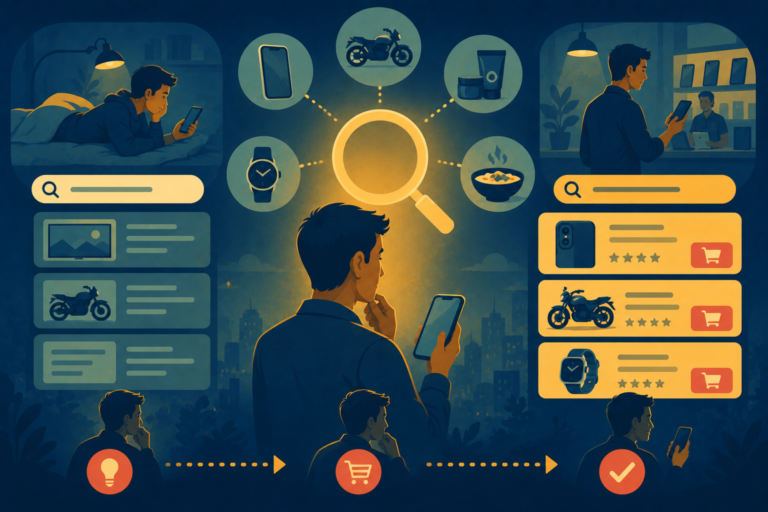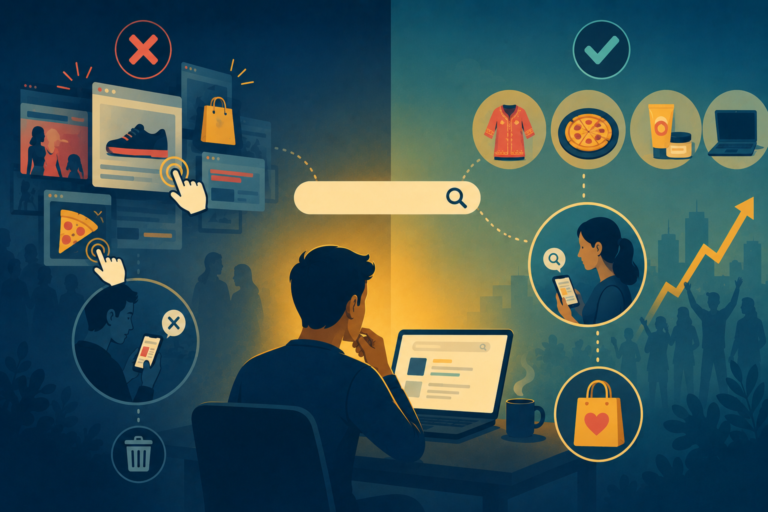
Learn why brand awareness creates visibility, but brand preference drives trust, loyalty, repeat purchases, and lasting growth.
Looking for a Shorter Overview?
AI Summary
Key Moments
Brand Awareness is Not Brand Preference
Awareness alone doesn’t drive purchase decisions; true preference requires trust and consistent performance.EdTech Collapse Demonstrates Preference Power
A multimillion‑dollar app lost to a local tutor because personal connection built deeper preference.Everyday Consumer Loyalty Bypasses Marketing Spend
A father’s decades‑long soap choice shows invisible, earned preference outweighs advertising.Discounts Mask Preference Gaps and Cause Sales Drop
Aggressive discounting creates cheapness perception and erodes genuine brand preference.There is a massive, fatal difference between being famous and being chosen. One must not mistake the two as synonyms.
Brands can spend two hundred crores sponsoring the Indian cricket team. They can put their logo on the jerseys of the biggest athletes in the country. They can buy every massive digital billboard in a city. But what have they achieved?
Congratulations. You have successfully purchased attention.
But attention is completely useless if the consumer reaches for your competitor’s product when it is actually time to open their wallet.
Nowadays, many founders constantly confuse these two concepts. They look at their viral social media reach and assume they have secured a monopoly. They haven’t.
They have merely paid for temporary space in the consumer’s mind while completely ignoring the much harder metric of brand preference.
The Brutal Reality of Brand Preference
Let’s look at the spectacular collapse of the Indian EdTech sector over the last three years.
A certain unicorn spent hundreds of millions of dollars to become the most recognised logo in the country. It bought out television networks. It hired global football superstars. If you asked any parent in Tier-2 India to name an education app, they knew exactly which one it was.
That is brand awareness on steroids.
But what happened when schools reopened?
Those same parents immediately cancelled their expensive digital subscriptions and sent their children right back to the local neighbourhood tuition centre.
Why?
Because the local teacher felt more approachable. They answered the phone when the child failed a maths test, unlike the giant tech company that simply sent automated bill reminders and aggressive sales pitches.
The unicorn had total, absolute awareness. But the local teacher owned brand preference.
When a customer is forced to make a financial sacrifice, they do not care how many commercials you run. They care about whom they can trust with their child and who genuinely cares about their child’s performance.
You see this exact same dynamic playing out in the FMCG space.
I don’t even need to look at market data to prove it. I’m sure many of you have experienced this in your own daily lives too.
I just look at my own father. For as long as I can remember, I have seen him use exactly one brand of soap: Lux.
Today, you can walk him through any large supermarket. There are dozens of brightly coloured body washes and artisanal soaps fighting for his attention. Some of them even have massive television budgets. They cast Bollywood A-listers to recite perfectly scripted lines about skin hydration.
But he doesn’t care how good the soap smells or looks, or how healthy the active ingredients are.
He will stare at the shelf for exactly two seconds. He will completely ignore the millions of rupees spent on flashy new packaging, reach out, and blindly drop the exact same pink bar of Lux into his basket that he has been using for decades.
That is the terrifying power of brand preference.
It is an invisible, locked-in loyalty that completely bypasses your expensive marketing funnel. You cannot buy that kind of loyalty with a clever tweet. You have to earn it through years of flawless, boring consistency.
Also read: Why Emotional Branding Outperforms Rational Marketing
The Discount Delusion
Most modern marketing teams are completely terrified of this reality.
It is incredibly easy to report digital impressions and video views to a board of directors. It is much harder to explain why those millions of views are not translating into actual repeat purchases.
So, they cheat.
They mask their lack of brand preference with aggressive discounting. They cut prices by thirty or even forty per cent just to keep the revenue engine moving. But selling a product at a massive discount does not mean consumers prefer you. It simply means you are the cheapest option available on that particular day.
The moment you remove the discount, your sales graph will nose-dive.
The ultimate goal of a business is not to be known by everyone. It is to become the default, unquestioned choice for someone.
Because awareness gets you onto the shelf. But true brand preference is the only thing that actually moves the product into the cart.
– Written by Rajnish Singh, a copywriter and strategist with a background in fast-paced journalism, who explores the gap between what brands promise and how consumers actually behave.