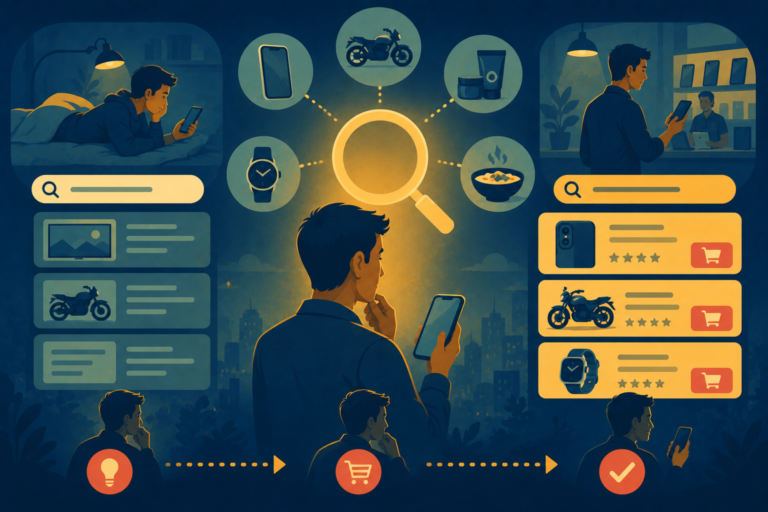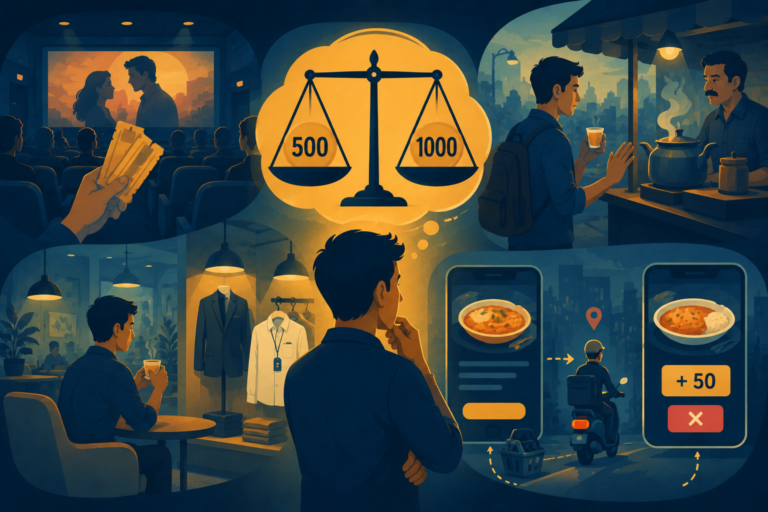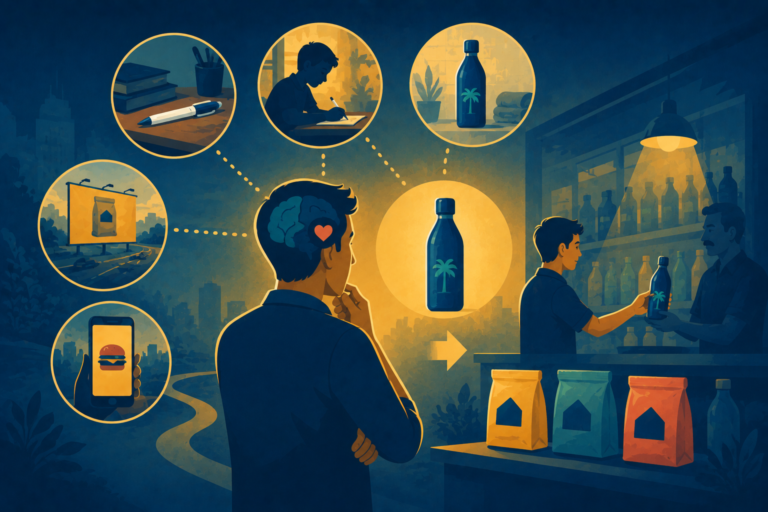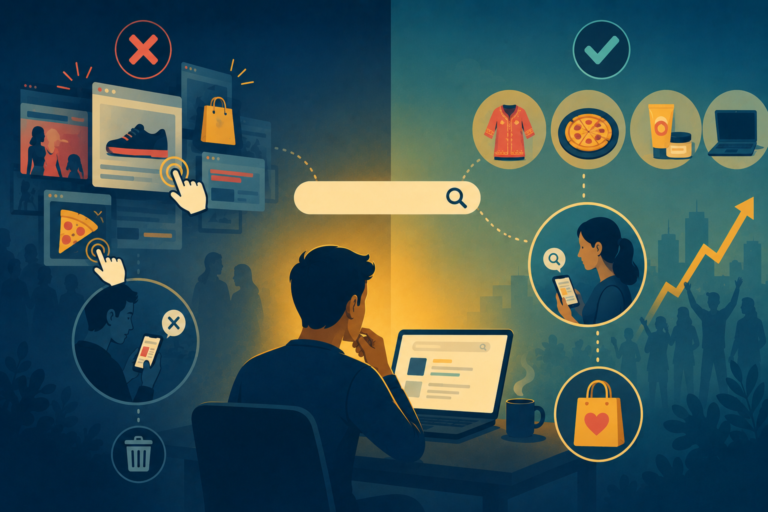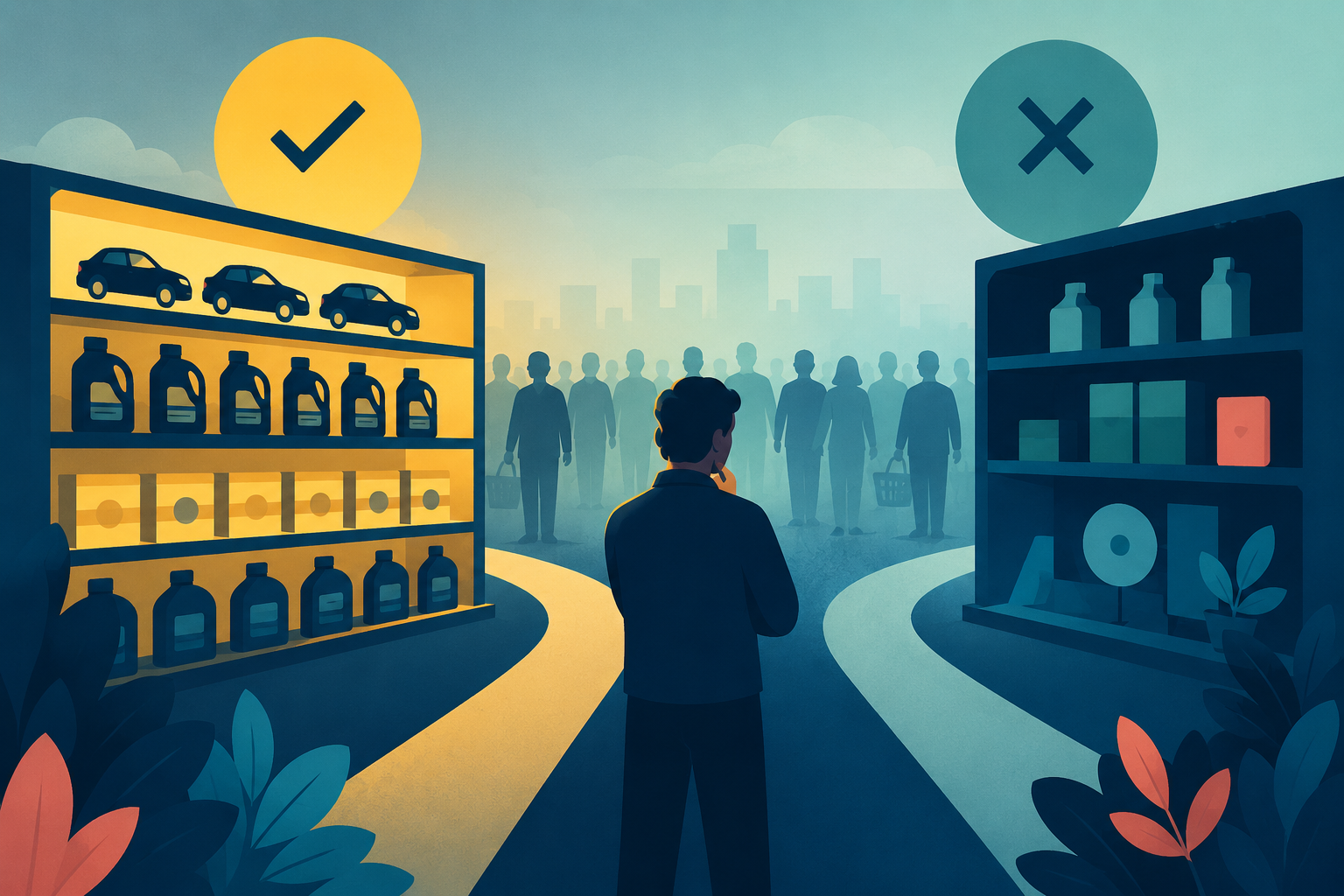
Why better products fail: familiarity bias drives buying decisions, making trusted brands beat superior products every time.
Looking for a Shorter Overview?
AI Summary
Key Moments
Fatal Delusion About Rational Buyers
Startup founders mistakenly assume customers choose based on data, causing even great products to flop.The Brain’s Preference for Known Over Better
Humans avoid cognitive effort, defaulting to familiar options even when they’re objectively worse.Car and Software Examples of Bias
From tin‑can hatchbacks to legacy accounting software, market leaders prove the power of comfort over performance.How to Win: Ease Adoption Friction
Successful challengers lower adoption friction, mimic the comfort of incumbents, and quietly deliver superior results.Every year, brilliant engineers design superior products, launch them into the market, and watch them fail spectacularly.
They build faster apps. They source better materials. They price them aggressively. But the consumer completely ignores them.
Why?
Because startup founders suffer from a fatal delusion. They genuinely believe humans make rational, data-driven purchasing decisions. And severely underestimate the sheer, immovable force of familiarity bias.
They think the best product automatically wins. It doesn’t.
How Familiarity Bias Kills Logic
Let’s get one thing straight. The human brain is incredibly lazy.
It actively hates processing new information. Because evaluating a new brand requires cognitive effort. It requires calculating risk, comparing features, and predicting outcomes.
So, the brain takes a shortcut. It defaults to what it already knows, even if the known option is objectively worse.
This is where familiarity bias completely destroys the traditional marketing playbook.
You can run endless focus groups. You can create massive Excel sheets proving your product is structurally superior. It simply doesn’t matter. When faced with the unknown, the consumer will almost always choose the comfort of mediocrity.
Let’s look at the Maruti Suzuki Syndrome
If you want to see familiarity bias in action, just look at the Indian automotive sector.
A new European or homegrown manufacturer launches a beautifully engineered car. It has a five-star global safety rating, heavy build quality, and superior driving dynamics.
Across the street, a dealership is selling a tin-can hatchback that scores a miserable one star in crash tests.
Who wins? The tin can. Every single time.
A buyer in Lucknow doesn’t care about the tensile strength of European steel. They care that their uncle has driven a Swift for ten years, and the local roadside mechanic can fix it blindfolded.
The safety rating is entirely logical. But logic loses to the comfort of the known. The consumer would rather risk their physical safety than deal with the perceived anxiety of finding European spare parts in a tier-2 city.
The 1990s Blue Screen Obsession
You see the exact same behaviour in B2B software. Look at the Indian accounting industry.
Modern SaaS companies spend millions building gorgeous, cloud-based interfaces. They offer real-time GST reconciliation and automated dashboards. Yet, walk into almost any CA firm in Mumbai or a trader’s shop in Surat.
What do you actually see? A harsh, pixelated blue screen from 1998.
Traditional Indian accountants absolutely refuse to abandon Tally. The modern software is faster. It is vastly more efficient. But the accountant’s fingers have memorised the exact keyboard shortcuts of the legacy system.
To them, learning a slick new cloud dashboard isn’t an upgrade. It is an active threat to their daily rhythm.
That is familiarity bias holding an entire financial ecosystem hostage.
Also read: Why Nike Never Really Sells Shoes
Stop Fighting Human Nature
This is the exact point where aggressive marketing campaigns crash and burn.
You cannot defeat familiarity bias with a bulleted list of technical specifications. You cannot beat it by shouting that you are “number one in quality” on a billboard.
If you are the challenger brand, your job is not to educate the consumer on why you are technically superior. Your job is to drastically lower the friction of adoption.
You have to make the new feel incredibly safe. You have to mimic the comfort of the incumbent while quietly delivering a better result in the background.
Stop trying to reinvent user behaviour.
If you force a customer to completely change their daily habits just to use your superior product, they will abandon you immediately. The market does not reward the smartest engineering.
It rewards the brand that understands exactly how familiarity bias dictates the final transaction.
– Written by Rajnish Singh, a copywriter and strategist with a background in fast-paced journalism, who explores the gap between what brands promise and how consumers actually behave.