A price tag means nothing without context. Learn how price perception changes what buyers are willing to spend.
Looking for a Shorter Overview?
AI Summary
Key Moments
Contextual Pricing Triggers
Surrounding cues like décor and nearby expensive items make the same price feel cheap or costly.Hidden Fees Cause Revolt
A hidden delivery charge at checkout triggers anger and order cancellation despite identical total cost.Packaging Boosts Perceived Value
Premium packaging tricks customers into believing a simple product is more valuable.Price Perception Drives Acceptance
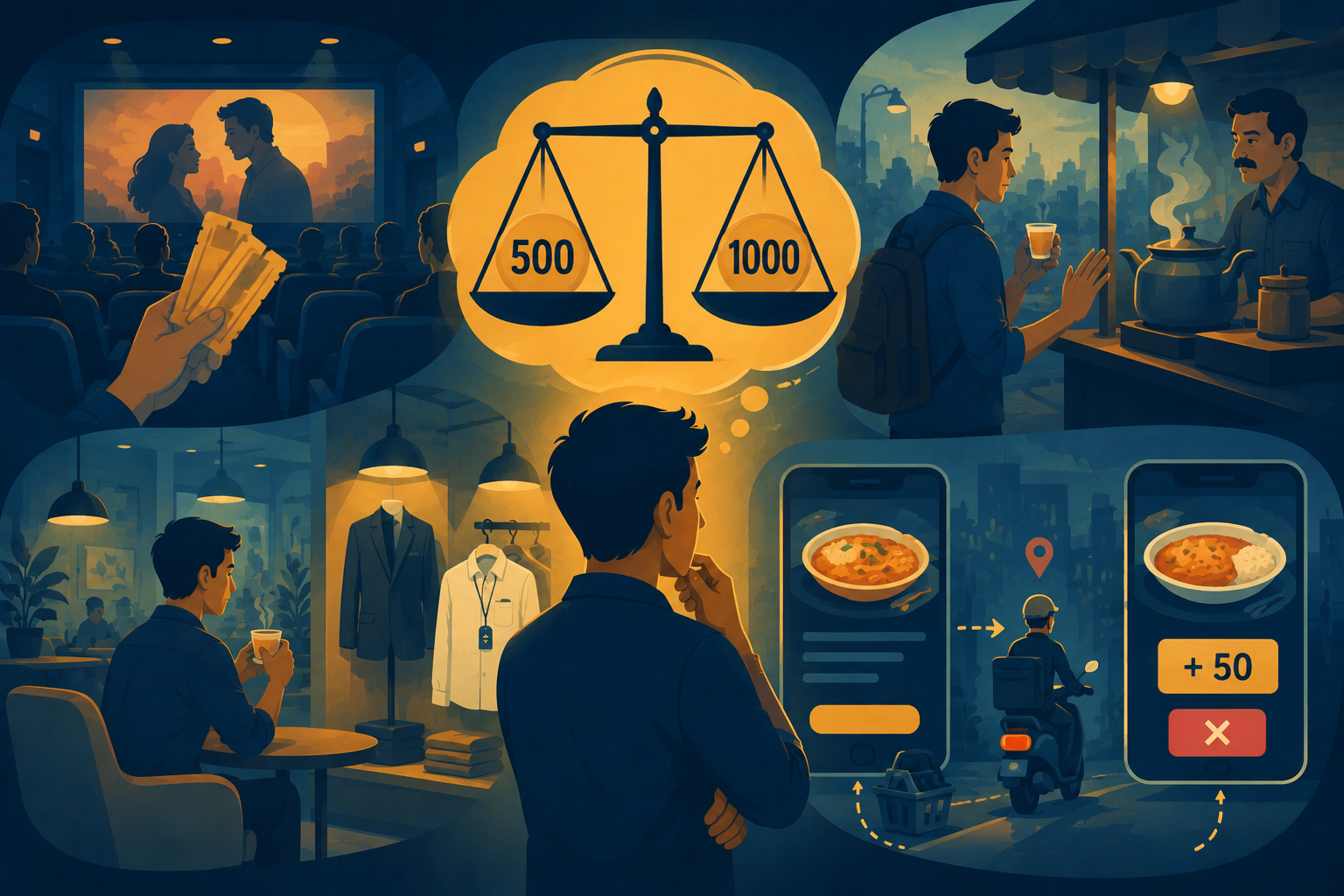
When price feels right due to context, shoppers hand over cash without seeking discounts.Price perception is exactly why a worker will easily pay four hundred rupees for a movie ticket. He hands over the cash and never argues at the cinema counter. But that same man will argue with a local vegetable seller to save just a few rupees.
His actual money is exactly the same in both places. This odd habit happens because ‘price perception’ simply means how cheap or expensive a printed number feels, depending on the surrounding situation. A printed price tag means nothing until a buyer compares it with something else nearby.
How Price Perception Changes the Value of Money
College students show the same habit when they drink evening tea. A student refuses to pay twenty rupees for a small paper cup of tea at a roadside stall. He feels the local shopkeeper is charging too much. He stands on the dusty road and complains about the high price.
But that same student happily pays 150 rupees for a plain tea in a large glass cafe. The cold air conditioning, soft sofas, and clean tables completely change his price perception. The cafe owner does not sell better tea leaves; he simply creates a quiet room that makes a high bill feel normal. Good price perception makes a person forget the actual low cost of hot water and milk.
Clothing shops in fancy glass buildings use this exact trick to sell plain cotton shirts. A buyer walking through a crowded street market sees a normal white shirt for 1000 rupees. He immediately walks away because the street dust and loud noise make the price feel too high.
Later, he walks into a quiet shopping mall. He sees a similar white shirt hanging on a metal rack right next to a thick leather jacket worth five thousand rupees. Suddenly, the one-thousand-rupee shirt seems like a very fair deal.
This change in price perception makes the buyer feel as if he is saving money, even though he is paying more for a simple shirt. The shopkeeper simply placed a very expensive jacket nearby to change the customer’s price perception.
Food delivery apps see this exact human habit on mobile phone screens every night. A hungry family orders paneer butter masala for five hundred rupees, and everyone feels good about the cost while looking at the bright menu photos.
Then the mobile app adds a fifty-rupee delivery charge on the final payment screen. The father cancels the order immediately. He feels very angry about paying extra cash just for a short motorcycle ride to his house. But if the restaurant lists the same paneer dish for five hundred and fifty rupees on the menu and writes “free delivery” in bold letters at the bottom, the father pays instantly.
This happens purely because of price perception. A hidden extra charge at the end always makes a buyer angry, even if the total cash leaving his bank account stays exactly the same.
Small business owners lose daily sales when they simply lower their prices to compete with nearby shops. A low price tag does not always bring more customers to the shop. Selling a simple product in a thick, clean cardboard box automatically changes the buyer’s Price Perception.
Also read: How Brand Codes Make Brands Recognisable Without a Logo
People rarely do mental math while standing at a shop counter. A customer simply hands over the cash when the amount feels right in that moment. Strong Price Perception makes sure a buyer pays the full printed rate without ever asking for a small discount.
Loved this article? Read more insightful articles on Brand Custodian.
–Written by Rajnish Singh, a copywriter and strategist with a background in fast-paced journalism, who explores the gap between what brands promise and how consumers actually behave.