Discover why psychological ownership creates loyal buyers. Learn how effort and customization build unbreakable brand trust.
Looking for a Shorter Overview?
AI Summary
Key Moments
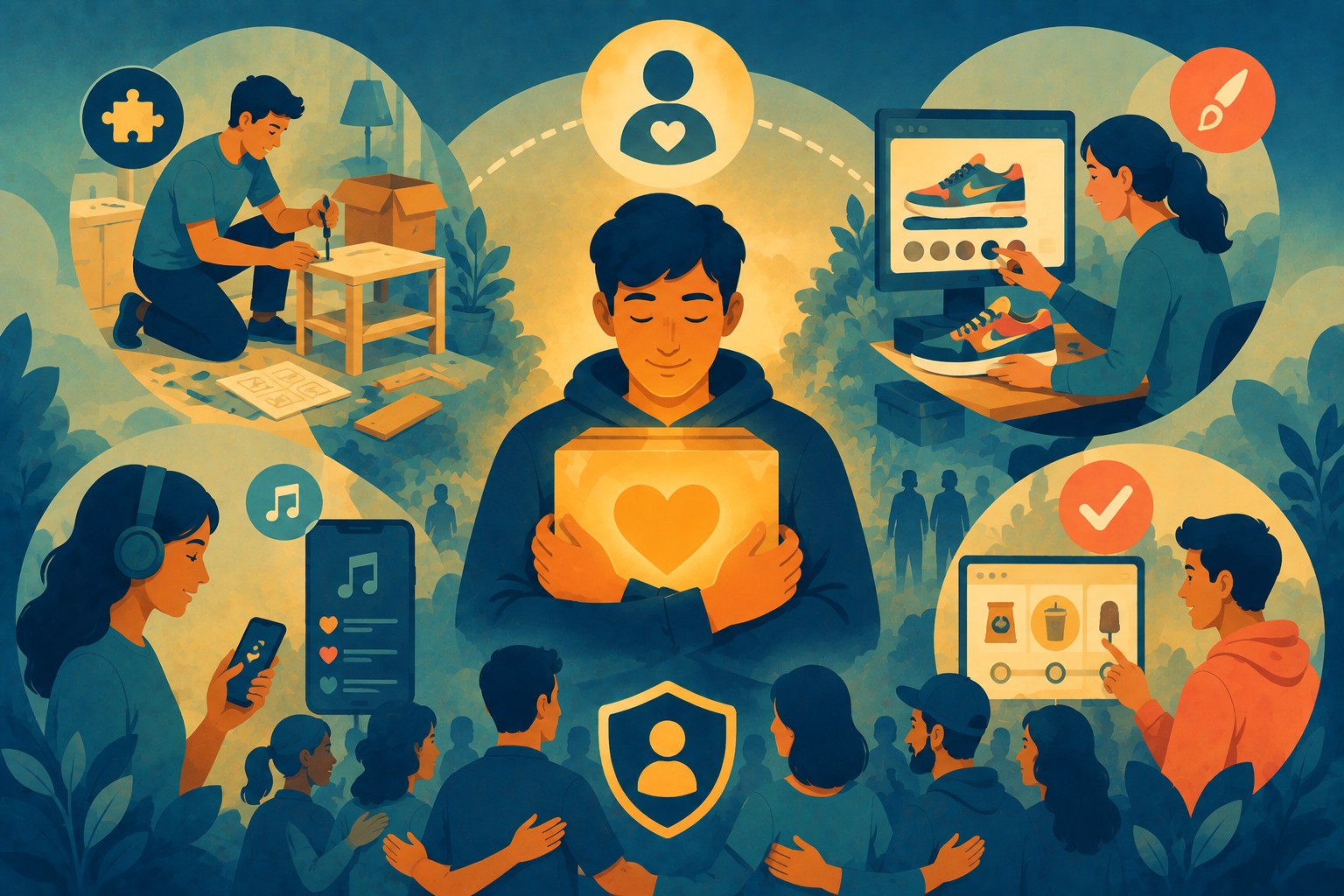
Effort Creates Ownership
IKEA furniture assembly builds psychological ownership through personal investment.Customization Drives Loyalty
Nike's custom sneaker program creates deep emotional connections.Digital Investment Forms Bonds
Music apps foster loyalty through user-created playlists.Co-creation Builds Advocates
Customer voting on products creates natural brand defenders.Almost everyone has a favourite table at their local coffee shop or restaurant. If someone else is sitting there, it feels slightly annoying. A customer does not actually own that table, but their brain acts as if they do. This strange human reaction is called psychological ownership.
It happens when a person feels a strong personal connection to an object, a place, or even a brand. Smart companies understand that creating this exact feeling is much more powerful than running a weekend sale.
When a business successfully builds psychological ownership, buyers stop looking at price tags and start defending the brand against competitors.
How Effort Builds Psychological Ownership
To see how this works, look at the furniture industry. A person can easily buy a fully assembled desk from a standard store. Instead, millions choose to buy from IKEA and spend hours building the items themselves.
Assembling that desk requires real effort, patience, and sometimes a bit of frustration. But because the buyer put personal sweat into the process, that ordinary desk becomes highly valued. This happens because physical effort instantly creates psychological ownership.
The customer feels deeply proud of what they built. A pre-assembled desk can never generate that same emotional bond.
Shoe companies apply this same logic. Major brands like Nike allow their buyers to design their own sneakers from scratch through the “Nike By You” programme. A shopper can pick the colour of the laces, the fabric on the heel, and the shade of the side logo.
This custom pair takes weeks to ship and costs more than the standard shoes. Yet, buyers happily pay the higher price and wait patiently. Designing the item step-by-step establishes a deep sense of psychological ownership before the delivery box ever arrives. The buyer feels connected to the shoe long before actually wearing it.
This concept works just as well in the digital world. Think about a popular music app. If a company just hands a listener a generic list of top songs, that person feels nothing. However, smart apps encourage users to build custom playlists, sort favourite artists, and design a daily mix.
After a few months, that specific account holds hundreds of hours of personal customisation. Even if a competing service offers a lower monthly price, the user will still refuse to switch.
That amount of time a listener invested to create a personal setup has built a very real sense of psychological ownership. Leaving means abandoning hours of hard work. This proves that psychological ownership often matters more than saving a few rupees.
Food and drink companies also use this strategy by asking for public opinions. A snack brand might ask fans to vote for the next potato chip flavour. A coffee chain might ask social media followers to name a new winter drink. When a customer casts a vote, that person feels partially responsible for the final result.
If the chosen flavour wins, the voter will absolutely go out and buy it. This shared decision-making is a brilliant way to trigger psychological ownership. The buyer stops feeling like an audience and starts feeling like an unofficial team member.
When a brand invites open participation, psychological ownership grows naturally. People buy the new product simply because they helped choose it.
Loyalty programmes that rely on points and simple discounts are easily forgotten. A shopper will abandon a rewards card the exact second a competitor offers a better deal.
True loyalty requires a much deeper mental connection. Businesses must find ways to let people customise their daily experience, invest their own time, or share their honest opinions on future designs.
Also read: What Lululemon Branding Gets Right About Community
When a company steps back and lets the user take actual control, the entire dynamic changes. The product stops being just another item on a shelf. Creating strong psychological ownership is the most reliable way to make sure a casual customer keeps coming back.
Loved this article? Read more insightful articles on Brand Custodian.
–Written by Rajnish Singh, a copywriter and strategist with a background in fast-paced journalism, who explores the gap between what brands promise and how consumers actually behave.