Why behaviour change is harder than brand awareness and what marketers must do to influence lasting consumer actions and habits.
Looking for a Shorter Overview?
AI Summary
Key Moments
Information alone rarely changes behavior
Research shows knowledge does not automatically drive action; habits, emotions, and convenience dominate decisions.Identify and remove barriers
Successful behavior change starts by pinpointing practical, emotional, and social obstacles that stop people from acting.Habit resilience
Routines are automatic; changing them requires extra effort, so solutions must simplify new actions.Immediate rewards reinforce change
Timely benefits and reduced friction boost motivation, making new habits stick faster than distant promises.Every marketer talks about awareness. It is measurable, scalable, and often the first milestone in any campaign. If people recognise your logo, remember your tagline, or can recall your latest advertisement, the campaign is usually considered a success.
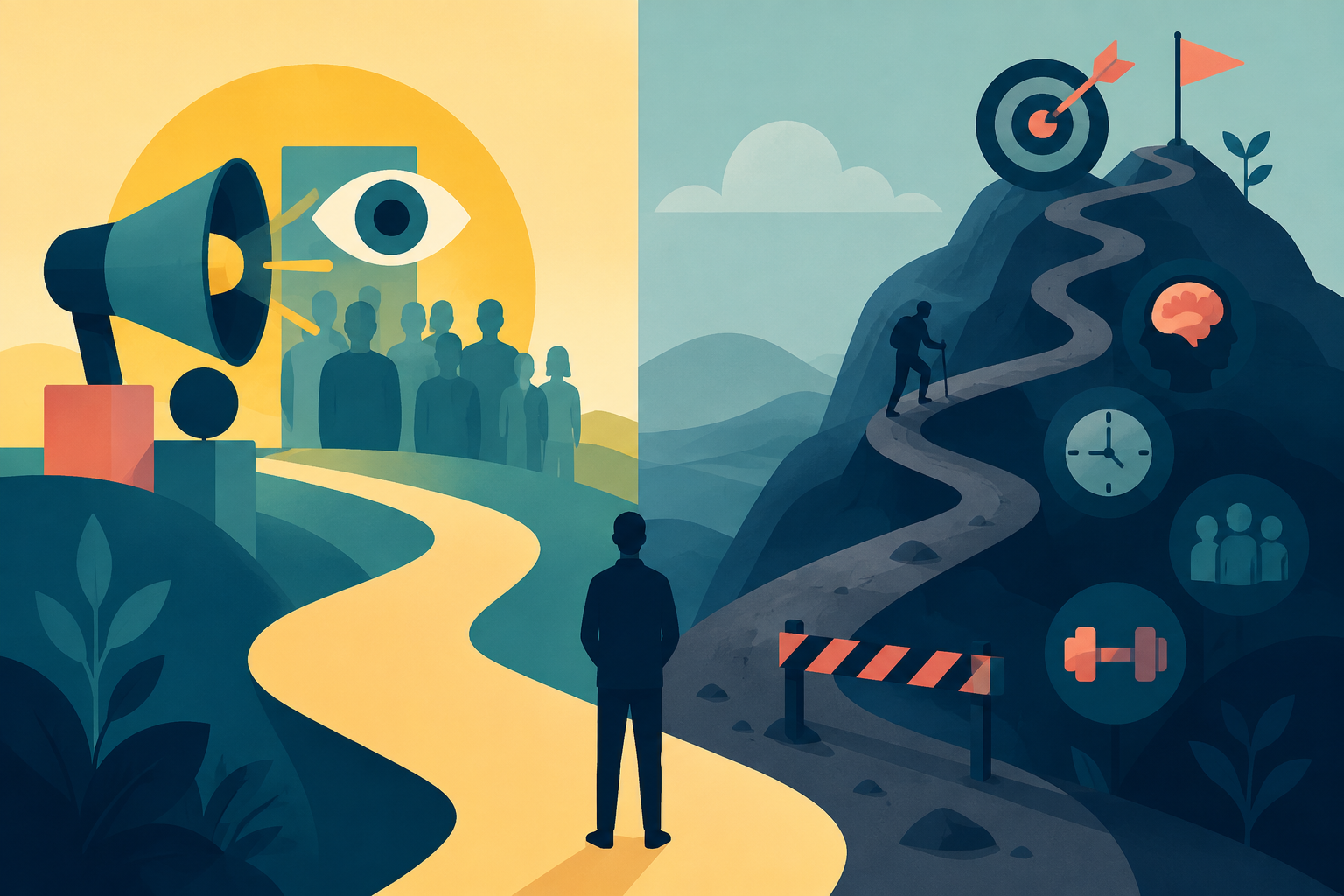
But Behaviour Change operates on an entirely different level.
Getting someone to notice a brand is one thing. Getting them to abandon an old habit, adopt a new routine or consistently choose a different product is significantly more difficult. Awareness happens in the mind. Behaviour happens in the real world, where convenience, habit, emotions, social influence and countless external factors shape every decision. That is why many campaigns generate impressive reach yet fail to produce meaningful action. The brands that truly influence consumer decisions understand that awareness is only the beginning.
Why Behaviour Change Is More Complex Than Awareness
Behavioural science has repeatedly shown that knowledge alone rarely changes behaviour. People often know what they should do but continue doing something else. Smokers understand the risks of smoking. Many consumers know reusable bags are better for the environment. People are aware that exercise improves health. Yet awareness alone rarely guarantees action.
The reason is simple: human decisions are not purely rational. Habits, emotions, routines and environmental cues often outweigh information. Research into behaviour change consistently finds that behaviour is influenced by a combination of capability, opportunity and motivation rather than awareness alone. Even when motivation exists, practical barriers such as time, effort or convenience can prevent action.
For marketers, this distinction matters. A campaign may successfully educate consumers about a product’s benefits, but unless it removes friction or fits naturally into existing routines, lasting behavioural change is unlikely.
Brands sometimes mistake attention for progress. A viral campaign may generate millions of impressions without changing a single purchasing habit. Meanwhile, a quieter campaign that simplifies the customer journey or builds a new routine can produce far greater long-term results.
Successful behaviour change usually starts with understanding why people behave the way they currently do. Instead of asking, “How do we convince people?”, effective marketers ask, “What is stopping them?” That shift in thinking often leads to better solutions.
Sometimes the barrier is practical. Sometimes it is emotional. Sometimes people simply follow what everyone around them is already doing. Behavioural science shows that social norms, trusted messengers and visible examples of others adopting a behaviour can significantly improve the chances of change.
Another challenge is that habits are remarkably resilient. Consumers rarely evaluate every decision from scratch. Much of daily behaviour is automatic. We buy familiar brands, visit the same coffee shop, or choose the same streaming platform because it requires less mental effort. Asking people to change these routines means asking them to expend additional effort, which is naturally resisted.
This is why many successful brands focus on making the desired behaviour easier rather than simply making a stronger argument. Subscription services remove repeated purchasing decisions. Digital payment apps reduce friction at checkout. Fitness apps reward consistency through streaks and reminders. Rather than relying on persuasion alone, they redesign the experience to make the new behaviour feel natural.
The timing of rewards also plays a role. Behaviour often sticks when people experience immediate benefits. If the reward feels distant or uncertain, motivation quickly fades. That is why loyalty programmes, progress trackers and instant feedback often outperform messages that promise long-term benefits alone. Behavioural research consistently highlights that reducing effort, increasing confidence and providing timely reinforcement make behaviour change more likely.
For marketers, the lesson is clear. Awareness remains valuable because consumers cannot choose a brand they have never heard of. But awareness should not be mistaken for influence. The true measure of marketing success is whether people actually behave differently after encountering your brand.
The strongest brands do not simply occupy space in consumers’ minds. They shape routines, influence decisions and become part of everyday life. That is far more difficult than earning recognition, but it is also far more valuable.
Brand awareness opens the door. Behaviour change determines whether people walk through it.