Plain labels are dangerous. See how mastering product naming turns ordinary goods into an unstoppable success.
Looking for a Shorter Overview?
AI Summary
Key Moments
Descriptive Names Boost Price Expectations
Specific, descriptive product names raise perceived value, making customers willing to pay higher prices.The Chilean Sea Bass Transformation
Renaming the Patagonian toothfish to Chilean sea bass created a premium image and justified higher prices.Luxury Terminology Elevates Material Perception
Terms like 'Artico leather' reframe synthetic materials as high‑end, influencing buyer willingness to pay more.Quality Must Match the Premium Name
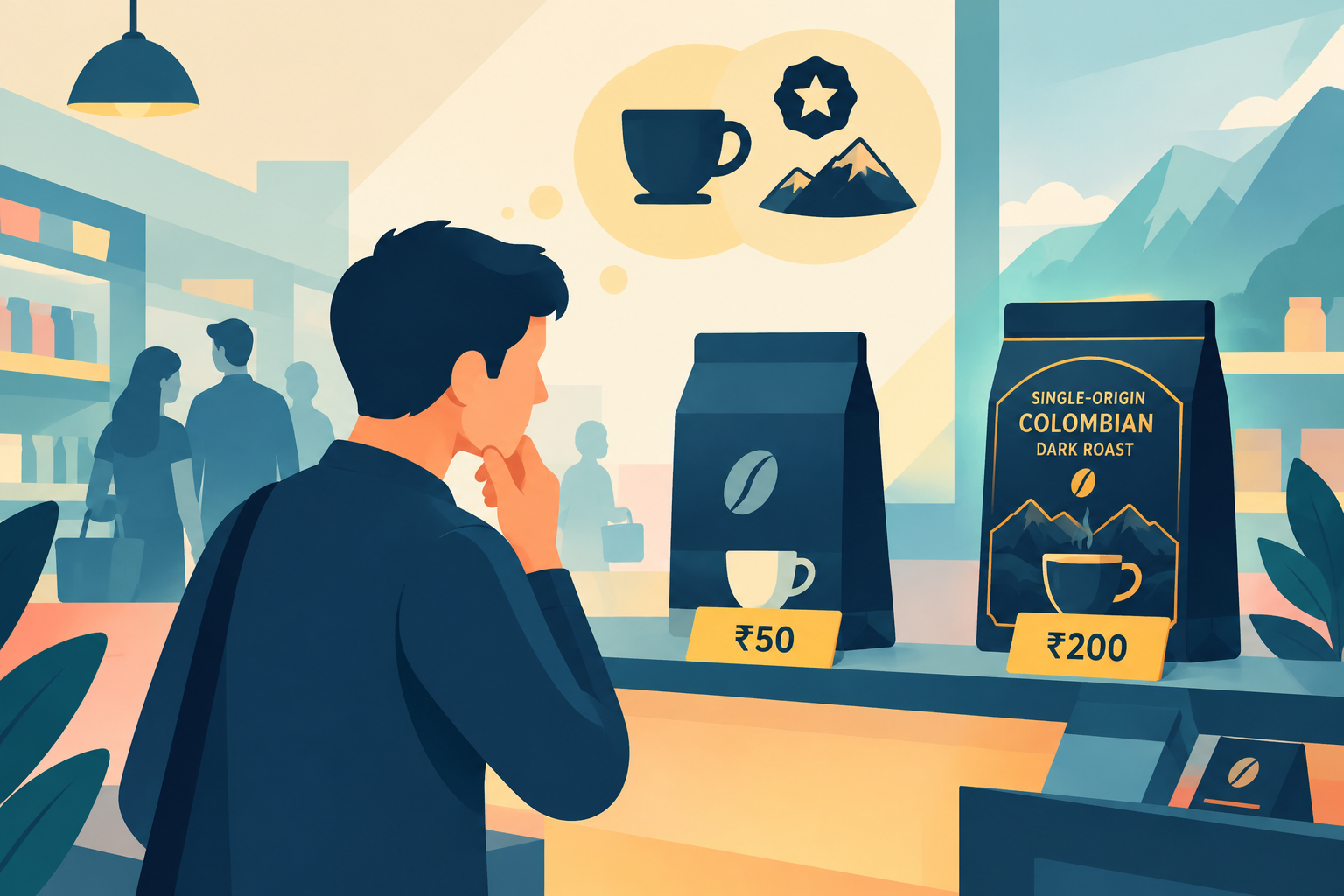
Even the best naming cannot sustain demand if the product’s actual quality fails to meet the premium promise.The influence of product naming becomes obvious when a local café sells a regular black coffee for fifty rupees versus two hundred rupees for a “Single-Origin Colombian Dark Roast, even though both cups contain hot water and roasted coffee beans. This difference in price shows the influence of Product Naming.
When a business uses specific and descriptive words on a menu or label, customers may perceive the product as more valuable and expect a higher price. Research published by the Association for Consumer Research suggests that descriptive menu names can increase sales revenue. Effective Product Naming changes how customers view an ordinary item, making them more willing to pay extra for details such as its origin and roast style.
How Brilliant Product Naming Changes Printed Signs
In the 1970s, fish markets sold a cold-water species known as Patagonian toothfish, but many customers were unwilling to buy it. Sellers had to keep the price low to move their daily stock. In 1977, wholesale fish merchant Lee Lantz changed the product’s name to Chilean sea bass.
Nothing about the fish itself changed. The meat remained exactly the same, but the new Product Naming transformed how customers perceived it. The name made the fish sound more appealing and premium, allowing sellers to charge much higher prices across the country. This example shows how Product Naming can influence perceived quality and increase profits without changing the physical product.
Car manufacturers also use Product Naming to influence how customers perceive materials. A basic car company might describe artificial leather seats as “synthetic plastic covers,” which can make buyers associate them with low quality and demand a lower price.
A luxury brand such as Mercedes-Benz may use a similar artificial material but describe it as “Artico leather” in its showroom brochures. This wording creates a more premium impression and shifts attention away from the material’s plastic base.
As we discussed in our recent article about Consumer Context, the surrounding environment can influence what customers are willing to pay. In the same way, carefully chosen Product Naming can make a product feel more valuable and encourage buyers to accept a higher price.
A supermarket may display dozens of cosmetic products in the same aisle, many of which contain similar ingredients such as soap, water, and fragrance. If a company labels its product “Daily Face Wash,” customers may expect to pay around ₹50 and compare it with other basic cleansers.
However, calling the same product an “Exfoliating Facial Cleanser” can change how shoppers perceive its value. This type of Product Naming makes the item sound more specialized and treatment-focused.
Marketing experts at the Wharton School suggest that specialized names can reduce direct price comparisons. Instead of comparing the product with cheaper alternatives, shoppers may view it as a distinct solution and feel more comfortable paying a higher price.
Consider the fitness clothing market. A basic synthetic T-shirt may sell for a low price at a local street market, but calling the same shirt a “Performance Moisture-Wicking Training Top” can change how shoppers view it. People focused on improving their gym routine may be willing to pay more because the Product Naming suggests a specific athletic benefit.
The fabric has not changed, yet the name makes an ordinary shirt feel like an essential workout tool. This shows how effective Product Naming can connect a product with a customer’s personal goals, making them feel they are investing in a fitness solution rather than simply buying a basic piece of clothing.
Business owners need to remember one important limitation: a premium name cannot hide poor quality. If a restaurant serves burnt food, calling it “Artisan Roasted Chicken” will not stop customers from asking for a refund.
Effective Product Naming may help attract a first-time buyer, but the product must deliver a good experience to encourage repeat visits. Smart sellers choose descriptions that accurately reflect what they offer and then make sure the actual product matches those promises. When the quality lives up to the name, customers are more likely to return.
Loved this article? Read more insightful articles on Brand Custodian.
–Written by Rajnish Kumar, a copywriter and strategist with a background in fast-paced journalism, who explores the gap between what brands promise and how consumers actually behave.