Ignoring viewer fatigue is dangerous. See how mastering advertising wear-out turns ordinary campaigns into an unstoppable success
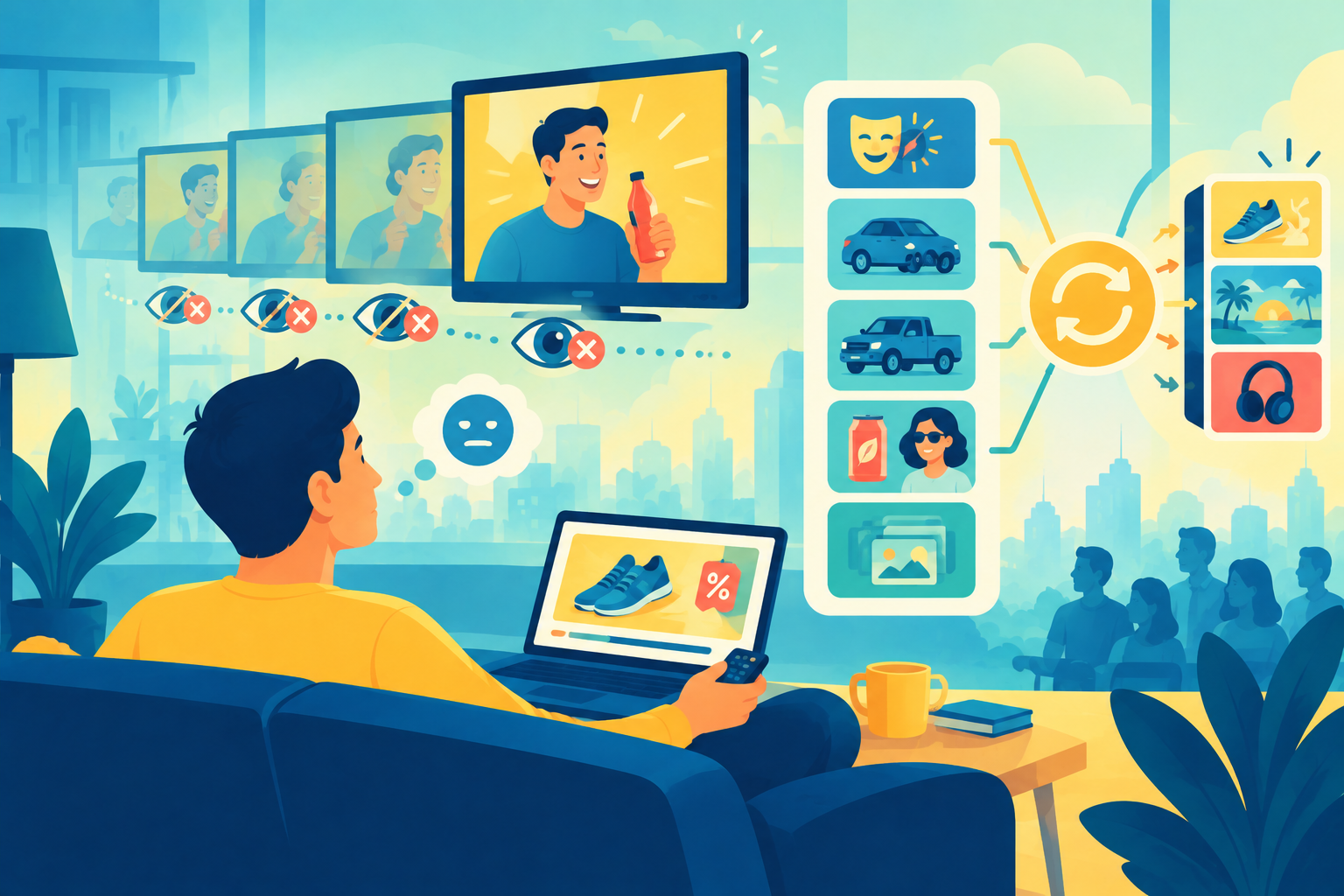
Television channels broadcast commercials every day, while websites display digital banner ads continuously. After seeing the same advertisements repeatedly, viewers may stop paying attention to them. This response is known as Advertising Wear-Out.
Research published in the Journal of Advertising Research suggests that repeated exposure can cause people to ignore familiar visual content after only a few viewings. Advertising Wear-Out can reduce sales and cause businesses to waste money on television and online ad placements that customers no longer notice. The effect may be even stronger in certain industries, so managers need to understand the main causes of this decline.
How Brands Trigger Advertising Wear-Out with Products
Humor depends on surprise, which makes funny advertisements especially vulnerable to Advertising Wear-Out. Insurance company GEICO may make viewers laugh the first time they see one of its commercials, but the joke becomes predictable after repeated viewings.
Once people know the punchline, the ad loses much of its impact because the same joke no longer feels surprising. Research from Millward Brown suggests that humorous advertisements can lose their effectiveness faster than serious ones. To keep audiences engaged, businesses need to create fresh comedic content regularly, even though producing new commercials can be expensive.
Retail businesses often promote short-term discounts through frequent advertisements. Car dealerships, for example, may use loud voiceovers and repeated weekend-sale messages during inexpensive late-night television slots.
However, this aggressive style can quickly cause Advertising Wear-Out. Viewers may find the shouting voices irritating, ignore the message, or mute the television when the same commercial plays repeatedly. As a result, the dealership wastes its advertising budget and may annoy potential customers.
A calmer and more informative approach can help delay viewer fatigue. By reducing the volume and avoiding excessive repetition, dealerships may keep audiences engaged and improve their chances of selling more cars.
Expensive products require customers to think carefully before buying. Automobile manufacturers may spend significant time producing advertisements for heavy-duty trucks, but buyers are unlikely to need repeated exposure to the same video.
A customer considering a $50,000 truck may remember the advertisement after seeing it once. Showing the same commercial 20 times can quickly cause Advertising Wear-Out, making the brand feel repetitive and irritating. Nielsen consumer research suggests that high-priced products generally benefit from lower advertising frequency, while lower-cost products can tolerate more repetition. By limiting how often truck commercials appear, manufacturers can protect their budget and avoid frustrating potential buyers.
Beverage companies often hire famous actors and singers for their advertisements, but celebrity endorsements can be extremely expensive. Viewers may recognize the celebrity immediately, see them drinking the soda, and lose interest within seconds because the advertisement feels familiar.
This quick recognition can accelerate Advertising Wear-Out and reduce the value of repeated broadcasts. Instead of relying on well-known faces, advertising experts sometimes recommend using less familiar actors. Unknown faces can create curiosity and encourage viewers to watch the entire commercial, while also helping the company reduce production and endorsement costs.
Also, using three different video variations helps delay advertising wear-out by giving viewers fresh visuals, voices, and perspectives. Because the audience does not see the same message repeatedly, the campaign feels less predictable and boring. This approach helps businesses protect their advertising investment and keep viewer interest longer.
Business owners should remember that repeated advertising can quickly waste a marketing budget. Fast-food commercials may lose their impact within about three weeks, while financial advertisements can remain effective for up to three months.
Also read: When Product Retirement Makes Sense Even For Profitable Goods
The difference may be linked to the style of the content. Fast-food ads often use loud music and energetic visuals, whereas bank advertisements usually rely on calmer voices and a more measured tone. Managers should track how audiences respond in their specific category and replace older commercials before viewers become annoyed. Fresh content can help maintain attention and support steady sales.
Loved this article? Read more insightful articles on Brand Custodian.
–Written by Rajnish Kumar, a copywriter and strategist with a background in fast-paced journalism, who explores the gap between what brands promise and how consumers actually behave.