Are your buyers bored? Discover how breaking toxic category fatigue builds an unstoppable advantage in retail.
Looking for a Shorter Overview?
AI Summary
Key Moments
Upgrade Fatigue Data
People keep phones 40+ months, upgrading mainly due to hardware failure, not design excitement.Category Fatigue Impact
When products look identical, shoppers lose interest and decide within seconds, hurting sales.Brand Differentiation Loss
Copycat designs erase perceived brand superiority, causing buyers to choose the cheapest option.Packaging Differentiation Solution
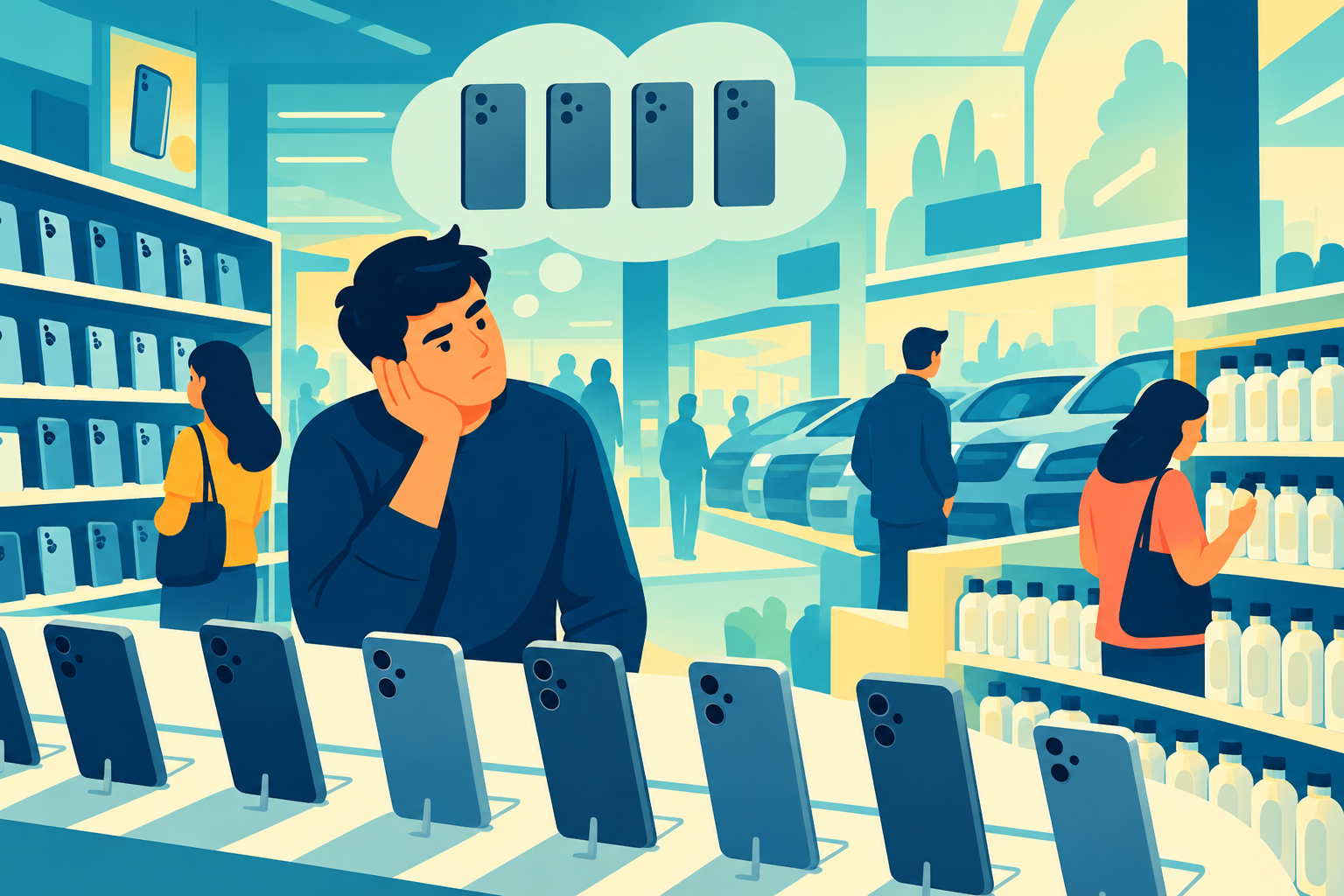
Altering a product's outer shape, like using a paper pouch instead of a bottle, instantly captures attention and drives profit.Many newly launched mobile phones sit on a table inside an electronics shop. Each phone has a black screen, a shiny frame, and three round glass cameras on the back. This exact physical sameness creates severe category fatigue. A buyer looks at these phones and feels completely bored. He cannot find a single good reason to choose one item over another.
Real consumer surveys on upgrade fatigue, including market data tracked by Counterpoint Research and tech platforms show that people are holding onto phones for nearly 40+ months and that over 70% of upgrades are driven by broken hardware rather than excitement over new designs.
This high level of category fatigue makes a physical retail store seem incredibly dull. A business spends millions of rupees launching a new phone, but buyers don’t find it interesting, so they don’t see it as a reason to upgrade their phone at a premium price.
Why Category Fatigue Lowers Paper Cash Sales
Market research groups like J.D. Power report a clear trend in vehicle manufacturing. Most new cars now share the same basic shape to improve aerodynamics. Ten years ago, a driver could easily recognise a specific car brand from far away. He only had to look at the grille. Today, a driver looks at a parking lot filled with almost similar-looking cars. He cannot tell which brand built which machine unless he sees the logo.
This kind of heavy physical copying leads to major category fatigue. If five different factories paint their cars the exact same shade of silver, buyers simply choose the cheapest option. When a showroom has strong category fatigue, buyers simply refuse to pay extra for a famous brand name.
Buyers know the cheaper car drives exactly the same way. The factories copied each other so much that they accidentally made their own expensive machines completely similar to the lesser brands. The feeling of getting a good car from a better brand is almost erased from the buyer’s mind.
This kind of boredom also happens every day in the local grocery shop. When a shopper walks down the long soap aisle, he sees many different brands sitting on the shelf. And in every category, each company looks almost identical to its competitor.
As we discussed in our previous article about category familiarity, seeing the same item every day can cause buyers to ignore the new items. But category fatigue causes a very different reaction.
It means the buyer actually feels tired just looking at the identical white bottles. Retail sales experts note that identical items change human habits. When items look exactly the same, the buyer spends less than five seconds making a buying decision.
He simply grabs the one at eye level, or the one that is easiest to reach, and heads straight to the billing counter. The soap company spent a lot of money printing beautiful labels. But with high category fatigue, the buyer completely ignores the text.
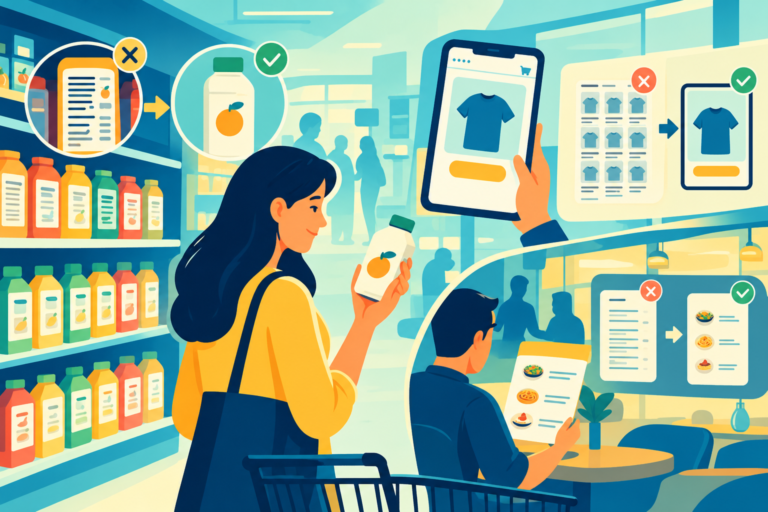
To solve this problem, a smart business owner must completely change the product’s outer shape. A wise seller knows that avoiding category fatigue means changing the product’s physical outline on the shelf. If every other juice company sells liquid in a clear plastic bottle, a smart brand does something different. It puts its juice in a paper pouch.
As the buyer passes the shelf, the paper pouch stands out sharply from all the other bottles. This sudden contrast immediately breaks the repetition. He actually stops walking, picks up the paper pouch, and feels the material with his fingers.
By changing only the outer packaging, the company makes an ordinary juice look completely different. To make a profit, sellers must create a product that stands out clearly from everything else in the crowded shop.
Loved this article? Read more insightful articles on Brand Custodian.
–Written by Rajnish Kumar, a copywriter and strategist with a background in fast-paced journalism, who explores the gap between what brands promise and how consumers actually behave.