Discover how Product Sampling influences consumer behaviour, builds brand trust and encourages purchase decisions through first-hand product experiences.
Looking for a Shorter Overview?
AI Summary
Key Moments
Cut Perceived Risk
Sampling lets consumers test products before spending, reducing uncertainty and building confidence.Sensory Influence Drives Decisions
Direct touch, taste, smell experiences affect purchase confidence more than traditional ads.Reciprocity Boosts Brand Affinity
Free samples create goodwill and encourage word‑of‑mouth promotion for the brand.Purchase Intent Grows Over Time
Only about 24% buy immediately, but sampling builds long‑term buying intent and repeat purchases.Consumers are often hesitant to buy a product they have never tried before. Whether it is a new snack, skincare product, beverage or household essential, the uncertainty surrounding quality, performance and value can influence their willingness to spend. This is where Product Sampling becomes an effective marketing strategy. By allowing potential customers to experience a product before purchasing it, brands can reduce hesitation and give consumers a more tangible reason to consider their offerings.
However, offering a free sample does not automatically translate into a sale. The experience, product quality, presentation and relevance to the consumer all play a role in shaping the outcome. When planned thoughtfully, sampling can help businesses build familiarity, encourage trial and influence purchase decisions without putting immediate pressure on customers.
How Does Product Sampling Influence Consumer Purchase Decisions?
1. Reduces the Perceived Risk of Trying Something New
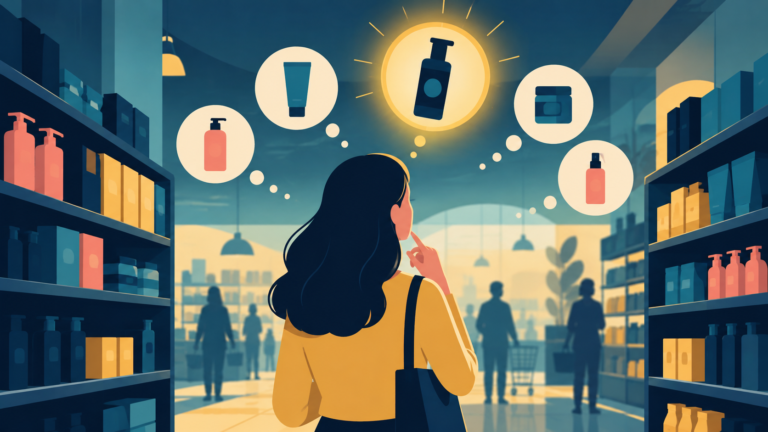
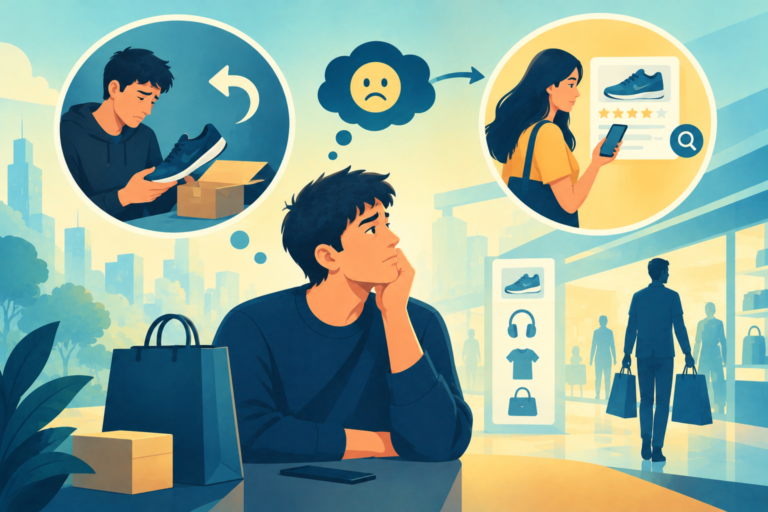
One of the biggest barriers to purchasing an unfamiliar product is uncertainty. Consumers may be interested in a new brand but hesitate because they do not know whether the product will meet their expectations. This is particularly relevant for categories such as food, personal care and cosmetics, where individual preferences can strongly influence satisfaction.
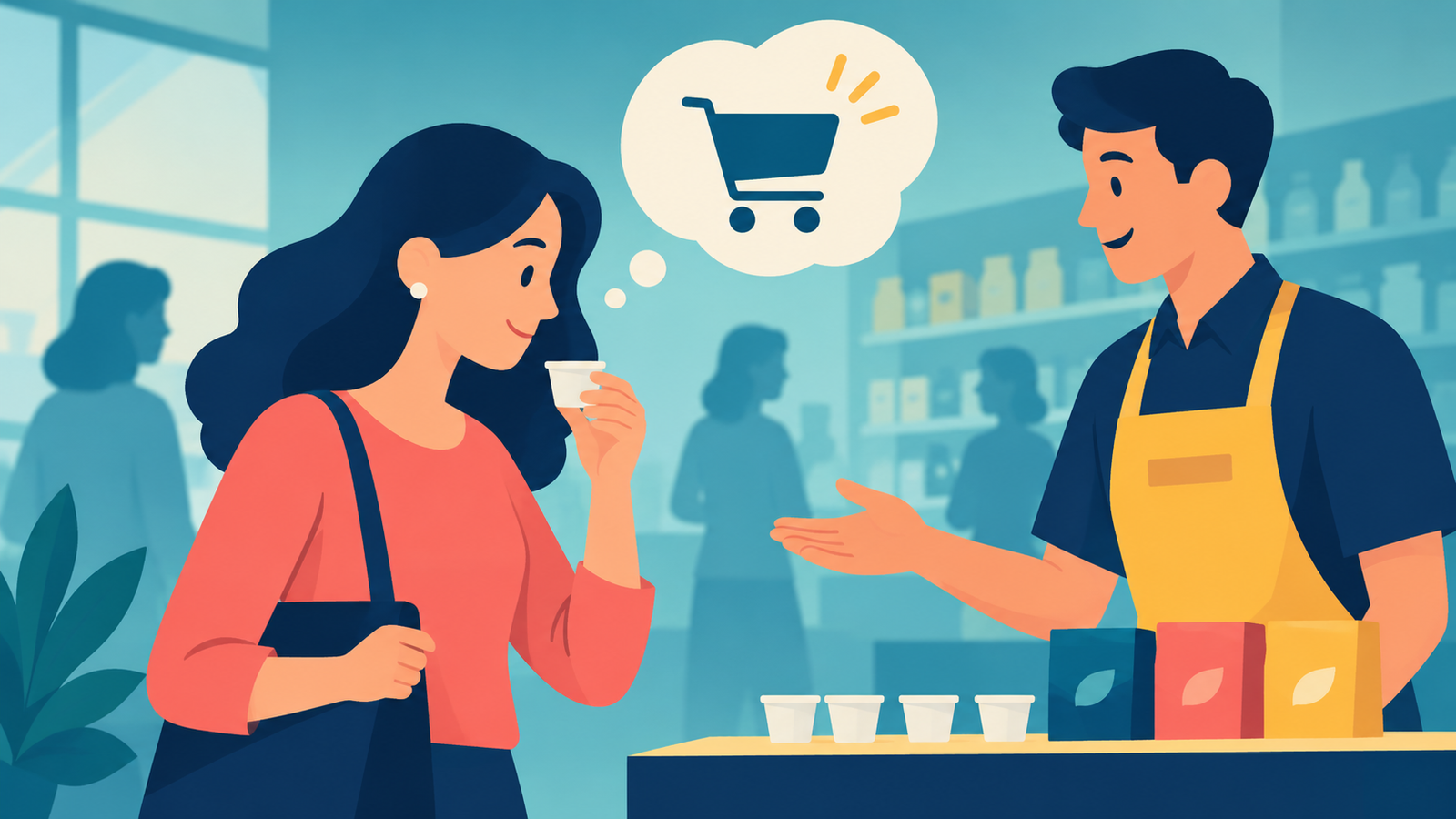
Product Sampling addresses this concern by allowing consumers to experience the product before spending money on it. They can assess its taste, texture, fragrance or functionality, depending on the category. This first-hand experience reduces reliance on advertising claims and gives potential buyers more confidence when considering a purchase.
2. Creates a Direct Connection Between the Product and the Consumer
Advertising can communicate what a product promises, but sampling allows consumers to experience what it actually offers. This distinction can make a considerable difference in how a product is perceived.
For instance, a consumer might see an advertisement for a new chocolate brand and find its packaging appealing. However, tasting the chocolate provides an experience that an advertisement cannot fully replicate. When the actual experience matches or exceeds expectations, consumers have a stronger reason to remember the brand and consider buying it.
Sampling also makes product discovery more interactive. Instead of simply receiving information, consumers actively engage with the offering, making the brand experience more tangible.
3. Encourages Trial and Builds Brand Familiarity
Getting consumers to try a product is often an important first step towards building a customer relationship. Someone who has never purchased a particular brand may not have a reason to consider it among their regular choices. A free sample can introduce the product without requiring an immediate financial commitment.
This is especially useful when businesses launch new products, introduce new flavours or enter unfamiliar markets. Sampling gives consumers an opportunity to explore alternatives they might otherwise overlook.
Repeated exposure can also improve brand familiarity. While trying a product does not guarantee loyalty, a positive experience can make the brand more recognisable and easier to recall during a future shopping decision.
4. Influences Purchase Confidence Through Sensory Experience
Consumers do not always make decisions based on product descriptions or visual appeal. Sensory experiences can have a significant influence, particularly when purchasing products such as food, beverages, fragrances and cosmetics. Being able to taste, touch, smell or apply a product helps consumers evaluate qualities that may be difficult to communicate through conventional advertising.
Research by Paurav Shukla on in-store cosmetics sampling found that sampling can improve consumers’ confidence in their choices and make the decision-making process more satisfying. It can also help shoppers understand their options and reduce the effort involved in evaluating different products. This makes sampling valuable beyond simply encouraging impulse purchases.
5. Builds Positive Brand Associations and Encourages Word of Mouth
The experience of receiving something free can influence how consumers feel about a brand. It can create a sense of goodwill and make the interaction feel more rewarding. This is partly explained by the psychological principle of reciprocity, where people may feel inclined to respond positively after receiving something of value.
A positive sampling experience can also encourage consumers to share their opinions with friends, family and social media followers. For brands, this creates an opportunity to generate organic conversations around their products. However, these outcomes depend on the quality of the experience rather than the free sample alone. A product that fails to meet expectations can just as easily create negative associations.
Also read: How Can Agile Marketing Reduce Response Times During Industry Shifts?
6. Turns Consumer Interest into Measurable Purchase Intent
An important advantage of Product Sampling is that it gives businesses an opportunity to understand whether consumers are genuinely interested in their offerings. Brands can collect feedback, conduct post-trial surveys and track promotional code redemptions to assess how sampling influences purchase intent.
A study published in Marketing and Management of Innovations in 2020, involving 484 participants in Slovakia, found that only 24.17% of respondents usually purchased a product immediately after sampling. The researchers also found that product taste was more influential than price among those making a purchase decision, while the promoter’s behaviour and communication skills played an important role in the sampling experience.
This finding highlights an important distinction: sampling can influence purchase decisions without necessarily producing an immediate sale. Some consumers may consider the product, compare alternatives or purchase it at a later date. Therefore, businesses should evaluate sampling campaigns through purchase intent, subsequent sales and repeat purchases rather than immediate conversions alone.
For sampling to deliver meaningful results, brands must also reach the right audience. Distributing samples to consumers who are unlikely to need or purchase the product can increase campaign costs without generating meaningful returns. Strategic placement, relevant audience selection and convenient access to purchase channels can make a considerable difference.
Ultimately, Product Sampling works best when it is treated as more than a promotional giveaway. It gives consumers the opportunity to make informed decisions while allowing brands to demonstrate their product’s value through direct experience. When the product delivers on its promise, that first interaction can become the starting point of a longer customer relationship.
– Written by Saad Rashid, an experienced journalist with extensive experience across both print and digital media. He has worked with various publications in India and internationally and has reached millions of readers through his thought-provoking articles.
Enjoyed this article? Read more here.