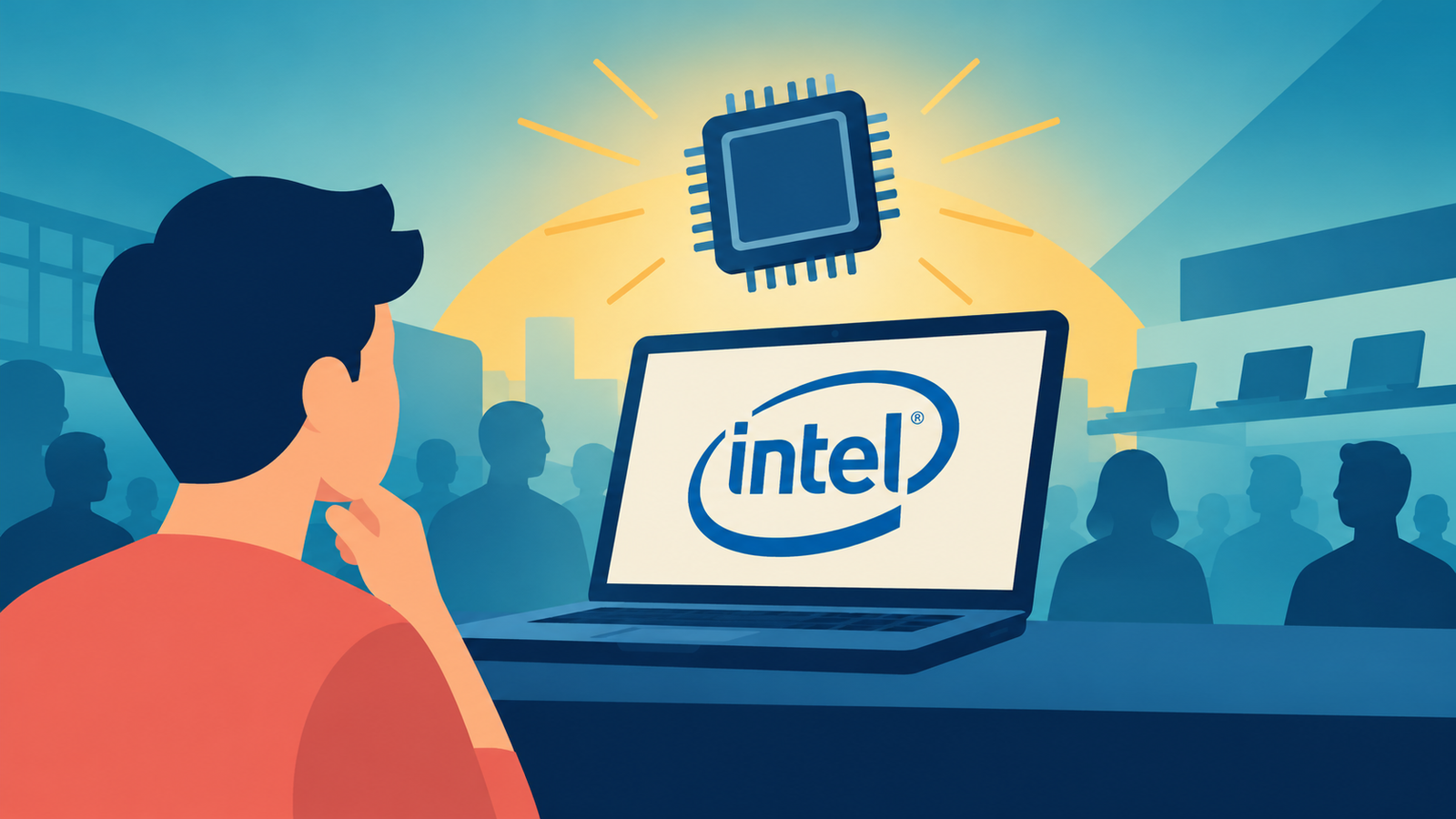
Discover how Intel Inside transformed an invisible computer component into a trusted consumer brand through innovative marketing and ingredient branding.
Looking for a Shorter Overview?
AI Summary
Key Moments
Launch of Intel Inside program
In 1991 Intel began targeting end consumers directly, launching the Intel Inside program and placing the logo on computers and ads.Cooperative advertising with OEMs
Intel provided financial support to over 500 OEMs, encouraging them to feature the Intel Inside logo in their advertising, spreading brand visibility.Consumer perception shift
The campaign changed how buyers considered processors, turning the hidden component into a recognizable brand that influenced purchase decisions.Enduring branding lesson
Intel Inside demonstrates that invisible technology can gain market value through clear messaging, consistent branding, and strong partner support.For most consumers, buying a computer has always been about what the machine can do. They look at its speed, memory, performance, design and price. But how many people actually consider the processor inside it? This was precisely the challenge Intel faced when it wanted consumers to recognise the value of its microprocessors.
A processor was an essential part of a computer, but it was largely invisible to the person buying one. While computer manufacturers understood its importance, everyday consumers had little reason to care about which company made it. Intel changed this perception through one of the most influential marketing campaigns in technology history: Intel Inside. By turning an unseen component into a recognised brand, the company demonstrated how marketing could influence purchasing decisions, build consumer trust and create value beyond the physical product.
How Intel Inside Turned an Invisible Component Into a Recognised Brand
Before the Intel Inside campaign, Intel was primarily known within the technology industry. Its reputation was built on the quality and technical capabilities of its microprocessors, with computer manufacturers forming its main customer base. However, as personal computers became increasingly popular among everyday consumers in the late 1980s, Intel recognised that its success could no longer depend entirely on relationships with manufacturers.
The company had another challenge. Consumers did not necessarily understand the difference between competing processors or why one might offer better performance than another. They were more familiar with computer brands than the names of the components inside their machines. This made it difficult for Intel to communicate the value of its technology directly to potential buyers.
Intel initially experimented with consumer-focused communication through its Red X campaign, which promoted the Intel 386 processor against the older 286. The campaign highlighted the advantages of newer technology in relatively simple terms, helping consumers understand why the processor mattered. It also demonstrated that technical information could influence purchasing behaviour when communicated effectively.
Building on this learning, Intel launched the Intel Inside programme in 1991. Rather than marketing exclusively to computer manufacturers, it began addressing the people who actually purchased computers. The strategy involved placing the Intel Inside logo on computers and in manufacturers’ advertisements, making the processor’s identity visible even though the component itself remained hidden inside the machine.
However, the campaign was not limited to putting a logo on a computer. Intel created a cooperative advertising programme that encouraged manufacturers to promote its processors alongside their own products. It offered financial support to computer manufacturers that included the Intel Inside logo in their advertising. According to Intel’s historical account, more than 500 original equipment manufacturers (OEMs) had joined the programme by the end of 1992. Around 70% of eligible OEM advertisements were carrying the logo. This gave Intel visibility across multiple computer brands without having to build computers itself.
Making a technical product easier to understand
One of the biggest reasons behind the campaign’s success was its simplicity. Instead of expecting consumers to understand complicated processor specifications, Intel gave them an easy message to recognise. The words Intel Inside communicated that a computer contained technology from a company associated with quality and innovation. Consumers did not need to understand how a microprocessor worked to recognise why its presence could matter.
This was particularly important in a growing PC market where buyers were finding it increasingly difficult to distinguish between competing products. The Intel logo became a familiar indicator that helped simplify their choices. Rather than evaluating every technical detail, consumers could use the brand as a reference point when comparing computers. Intel had effectively turned its reputation among technology professionals into a signal that everyday buyers could understand.
The company also understood the importance of consistent brand recognition. Its advertising extended beyond print campaigns and product logos to television commercials, trade shows and memorable brand experiences. The distinctive Intel sound logo, heard at the end of its advertisements, became another way to strengthen brand recall. These repeated interactions helped establish a recognisable identity that consumers could associate with computer performance and technological advancement.
Another important development was the way Intel built its product branding around the campaign. The introduction of the Pentium brand gave consumers a more memorable name to associate with its processors, moving away from the numbered naming conventions used for earlier chips. Intel Inside acted as an endorsement, reinforcing the connection between individual processor products and the larger Intel brand. This helped the company communicate with different consumer segments while maintaining a consistent brand identity.
Also read: How Can Challenger Brands Compete Against Market Leaders Without Matching Their Budgets?
Turning Brand Recognition Into Consumer Demand
The real achievement of Intel Inside was that it changed the relationship between a component manufacturer and the end consumer. Previously, computer manufacturers largely influenced which processors consumers purchased. With growing brand awareness, buyers began recognising Intel as a factor worth considering when choosing a computer. This created demand for Intel processors from the consumer side, rather than relying exclusively on manufacturers to select and promote them.
The strategy also benefited Intel’s manufacturing partners. Computer companies could use the Intel Inside identity to differentiate their products and reassure customers about the technology powering their machines. It became a mutually beneficial arrangement in which Intel strengthened its brand while manufacturers gained another way to communicate product quality. This is the essence of ingredient branding: making an individual component valuable to consumers by connecting it to the overall product experience.
Intel Inside remains an important example of how branding can influence the perceived value of something consumers cannot directly see. Intel did not need to make the processor physically visible. It needed to make its contribution understandable and memorable. By combining consumer education, consistent communication and strong partnerships, the company turned a technical component into a purchasing consideration. The larger lesson for marketers is that even products operating behind the scenes can build powerful consumer brands when businesses communicate their value in a way people can recognise and trust.
– Written by Saad Rashid, an experienced journalist with extensive experience across both print and digital media. He has worked with various publications in India and internationally and has reached millions of readers through his thought-provoking articles.
Enjoyed this article? Read more here.