Why do crowded labels kill sales? Discover how proven marketing simplification creates an unstoppable retail advantage.
Looking for a Shorter Overview?
AI Summary
Key Moments
60% of buyers pay more for simplicity
Over 60% of shoppers willingly pay extra for brands that respect their time and reduce decision fatigue.One-word packaging drives faster decisions
Removing excess text and using a single bold word on packaging lets customers decide quickly, increasing sales.Clean digital designs boost conversions
Simplifying website layouts by cutting unnecessary buttons and text cuts confusion and accelerates purchases.Streamlined menus speed up orders
Concise menu cards let diners order hot food fast, eliminating overthinking and boosting restaurant revenue.Too much text on a product can completely stop a tired shopper from reading it. Staring at packed labels makes people put the item back on the shelf without buying it. Customers simply refuse to read thick blocks of text in a busy grocery store.
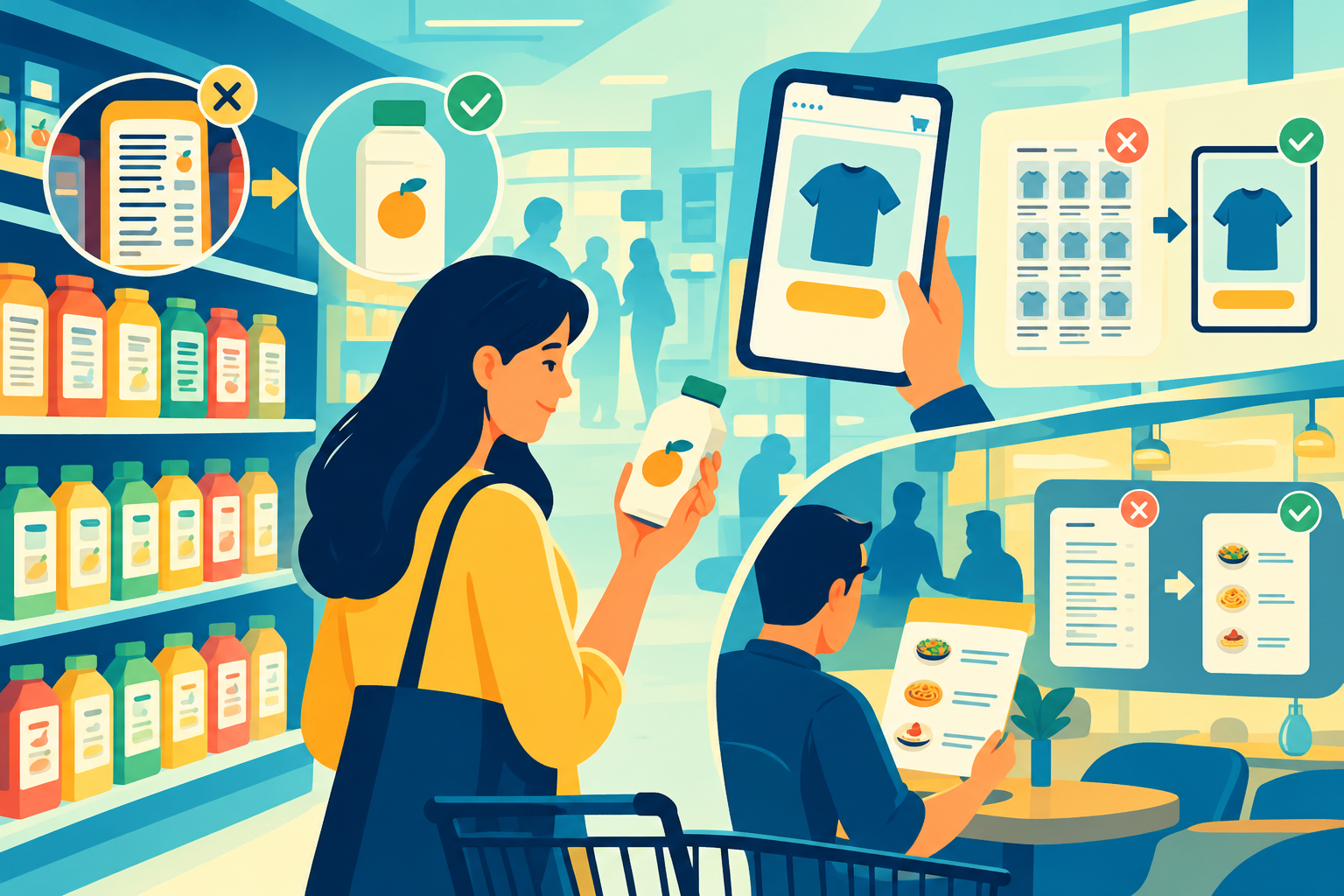
To solve this problem, smart companies use marketing simplification. They remove most of the text and leave only one large printed word on the front cover. This exact physical change is the main rule of marketing simplification. The factory does not change the liquid inside the bottle at all. They simply make the outside paper label much easier to read quickly.
How Marketing Simplification Increases Paper Cash Sales
Global research firms like Siegel+Gale study how buyers respond to market simplification. Their recent brand simplicity reports show a clear physical result across global retail stores. More than 60% of buyers will gladly pay more for a brand that respects their time, reduces decision fatigue, and keeps interactions simple.
This happens because marketing simplification keeps the buyer from wasting time and helps them make a quick decision. A person standing in a crowded grocery store does not want to read a paragraph about vitamins while holding heavy shopping bags. He just wants to see a large printed picture of the fruit he is buying the juice of.
When a seller removes the long descriptions from a product, he is using basic marketing simplification. The buyer looks at the clean white box on the shelf and reads the single bold word in a few seconds and then decides to buy it. By keeping things simple, brands sold more units simply by removing extra words from the outside cardboard packaging.
This same rule works perfectly on small digital mobile screens. Many clothing websites place twenty different small text links on their digital page. As we discussed in our previous article about data overload, showing too many numbers makes a person ignore a brand entirely. The screen looks completely crowded with information.
To keep the website page neat and clean, a smart software designer uses strict marketing simplification. He removes the other nineteen small buttons and leaves one large square in the centre of the screen.
Because of this marketing simplification, the buyer knows exactly where to tap to buy the item. The clothing factory did not sew better shirts in their warehouse, nor did they lower the printed price tags on the clothes. They simply removed the unnecessary and confusing text from their site. This direct marketing simplification makes the buyer tap the screen much faster.
Many local restaurant owners still print paper menus for their restaurants. These menus list many different food items in very small print. Diners have to stare at the long menu with all their attention. They come to enjoy dinner with friends and family, but instead they have to silently analyse and decide which item to order.
Applying marketing simplification immediately solves this long delay. The owner replaces the thick menu list with a clean, light menu card that shows only a few items in each course.
This physical simplification shows that a clean page works better in a busy dining room. The kitchen still prepares the same bowls of hot rice and matar paneer. But the clean paper menu lets a hungry customer order hot food much faster without overthinking.
A business completely wastes its cash when it tries to explain every single feature to a customer. A clean, empty space on a poster or a cardboard box usually works much better. Making the reading process very fast and completely clear is the easiest way to make more profit.
Loved this article? Read more insightful articles on Brand Custodian.
–Written by Rajnish Kumar, a copywriter and strategist with a background in fast-paced journalism, who explores the gap between what brands promise and how consumers actually behave.