Stop pushing buyers away. Learn how toxic marketing avoidance destroys trust and kills massive retail sales instantly.
Looking for a Shorter Overview?
AI Summary
Key Moments
Ad Blocking Pays
People pay for ad blockers to silence intrusive ads, creating a barrier to brand messages.Pushy Sales Destroy Trust
Aggressive, high-pressure selling erodes consumer confidence and causes rejection of needed products.Silent Branding Wins
Brands that use minimal, quiet messaging reduce avoidance and convert shoppers into buyers.Massive Ad Filtering
Retail data shows buyers block nearly 90% of brand messages each day, highlighting the scale of avoidance.People willingly pay money every month in the form of subscriptions just to avoid irritating advertisements on their phones. They pay actual cash specifically to stop companies from talking to them. This deliberate human action is called marketing avoidance.
According to recent retail data, the average buyer blocks out nearly ninety percent of brand messages every day. Because shoppers dislike aggressive selling, this high level of marketing avoidance creates a very strange situation.
Buyers block out all loud advertising entirely. By blocking everything, they often miss the exact items they actually need to buy, such as a good winter jacket on offer or a better medical plan.
Why Marketing Avoidance Ruins Good Products
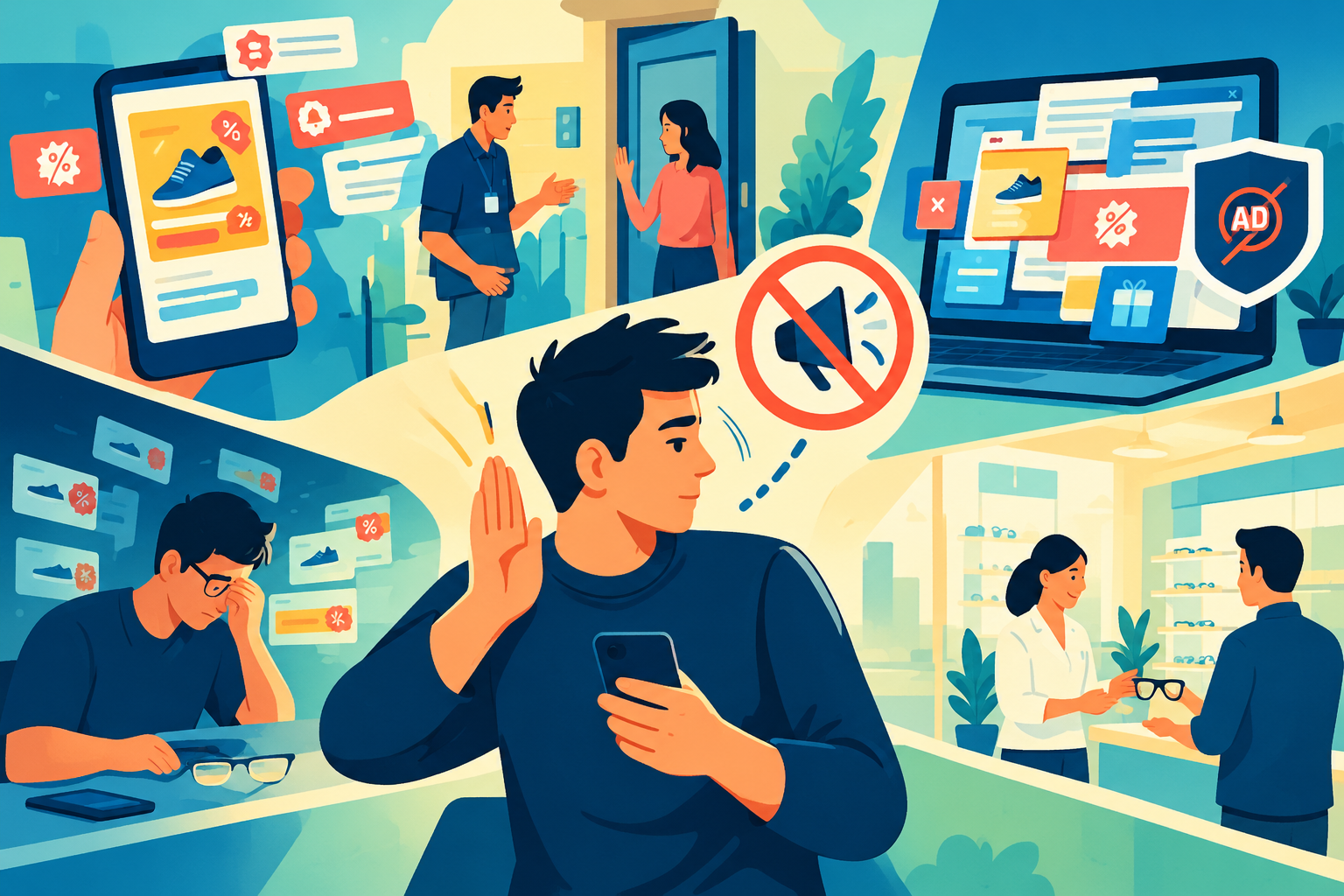
Many families need to buy a new water purifier for their kitchen. But when a salesman knocks loudly on the front door every other day, the family simply drops the plan to buy from that brand. The loud interruption makes the family use strict marketing avoidance.
They really need the clean water machine, but they hate the pushy sales process. A recent retail study confirms that aggressive, high-pressure sales tactics completely destroy consumer trust.
This physical reaction shows that pushing too hard often ruins the sale. When a brand pushes a product too hard, strong marketing avoidance can make the buyer walk away from a highly useful item. The factory builds a machine that solves a real physical problem, but the aggressive selling leads the buyer to refuse to open his wallet.
This same problem happens on mobile phone screens every day. A factory worker needs new eyeglasses to read small text comfortably. He searches for a glasses shop on his phone. Immediately, twenty different websites begin sending him flashing red discount codes every hour. This constant flashing immediately triggers his marketing avoidance.
The worker deletes the shopping app and turns off his phone screen completely. He chooses to keep his old, scratched glasses and live with it. His natural marketing avoidance keeps him from buying the exact medical item he physically needs.
As we discussed in our related article on choice architecture, showing too many text links can make a buyer stop reading altogether. The company loses the cash sale simply because it sent too many messages.
More than 40% of computer users now use special blocking software on their laptops. Many shoppers also pay money just to stop ad pop-ups from appearing.
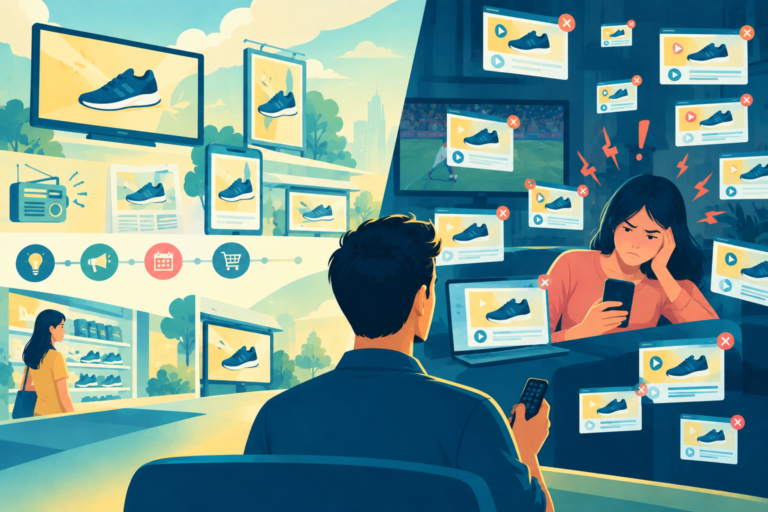
A business owner reviews an office report showing that his ads brought in zero new buyers this month. He does not realise that his pushy videos actually caused the buyer to install blocking software in the first place. That extreme reaction makes the buyer permanently block the brand. The buyer never even sees the new, improved shoes when his old pair finally tears.
To address this rejection, smart companies completely change how they present their items to the local market. A wise seller understands that stopping marketing avoidance requires total silence and empty space.
Instead of using a large black speaker, a good brand writes one simple, factual sentence on a clean poster. A clear example is how premium dental clinics work in busy cities.
They do not send irritating text messages to a patient’s phone every week. Instead, they simply place a clean white board outside the clinic and wait patiently. By keeping the marketing completely quiet, they reduce the buyer’s marketing avoidance.
When shoppers feel protected from loud noises and aggressive salesmen, they walk slowly through the door. They pick up the physical product from the shelf and hand their money to the cashier without hesitation.
Loved this article? Read more insightful articles on Brand Custodian.
–Written by Rajnish Singh, a copywriter and strategist with a background in fast-paced journalism, who explores the gap between what brands promise and how consumers actually behave.