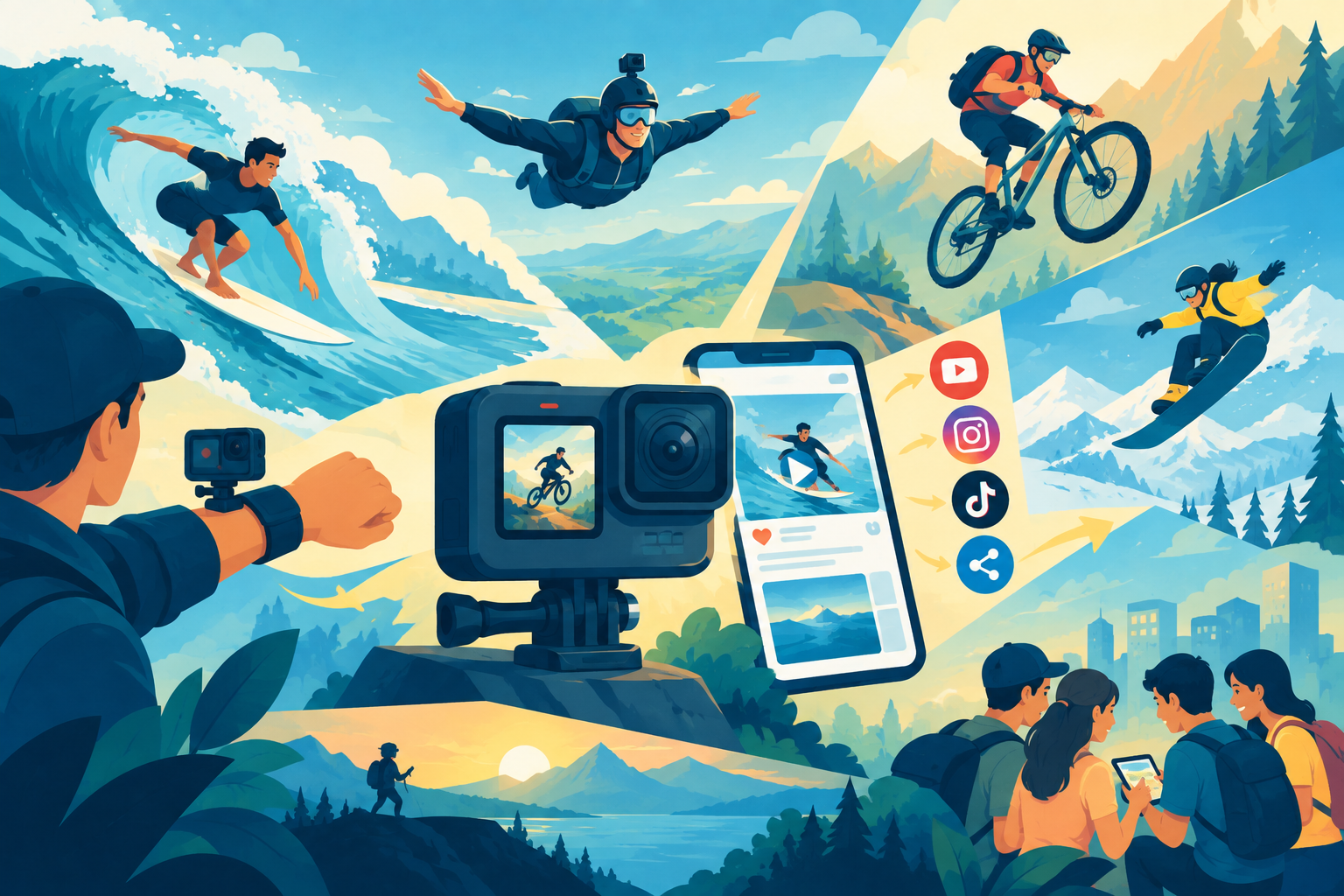
A TV commercial is ignored, but a viral stunt is shared. See how GoPro mastered user content to win the market.
Looking for a Shorter Overview?
AI Summary
Key Moments
Founder’s Wrist Camera
Nick Woodman’s 2002 surf‑trip invention became the iconic wrist‑mounted GoPro camera, launching the user‑content revolution.Athlete Video Marketing
GoPro replaced expensive TV commercials by giving free cameras to pros, letting them film authentic stunts that went viral.Reward System & Easy Edit
A weekly cash‑prize program and a simple mobile editor turned everyday users into promoters, driving rapid growth.$10B Valuation
By 2014 GoPro was valued at over $10 billion, proving the power of genuine user‑generated content.The ultimate marketing engine of user content began with a simple problem: surfers cannot hold a heavy camera and ride a fast wave at the same time. Nick Woodman faced the same problem on a surfing trip to Australia in 2002. Ocean water destroys ordinary cameras very quickly, so he tied a cheap camera to his wrist with a thick rubber band. He later turned this idea into a new company called Woodman Labs. He changed the name to GoPro and launched the first 35mm camera in 2004.
He had no cash for TV adverts, so he relied on this simple rule of user content. The rule turns ordinary buyers into helpful video makers. Today, millions of elite athletes and travellers use these small digital cameras to record their daily adventures.
How User Content Replaced Expensive TV Commercials
Before this camera existed, major sports brands paid millions of dollars to famous Hollywood directors for expensive television ads. Nick completely changed that old habit. He did not buy television ad space.
Instead, he gave free cameras to professional surfers and skydivers and asked them to record their own stunts. The surfers edited their videos at home and uploaded them to social media. Millions of viewers watched the close-up action. This natural sharing of user content made the brand famous worldwide for free.
The company created a simple system to reward these helpful video makers. Each week, they search the internet for the best user videos and give cash prizes to the winners. A young biker records an insane jump over a dirt hill on his bicycle, and the company posts his video on its official social media page.
This smart reward system helps user content spread quickly. The biker feels proud, so he shares the link with all his friends, and thousands of new buyers check the camera specs online.
These small cameras are very tough. A buyer pays hundreds of dollars for a tiny plastic box, but he gladly pays the cash because he knows it will survive a hard fall. He climbs a high mountain, records his journey, and puts the video online.
Other travellers see the clear footage and buy the same camera. This cycle of real videos is pure user content. The brand hires top athletes like surfer Kelly Slater and snowboarder Shaun White, but they never hire actors. Everyday people show the true toughness of the camera much better.
The company also built a simple mobile app to help people edit clips quickly. A traveller shoots twenty minutes of shaky footage on a ski trip, opens the phone app, and turns the clips into a short music video in five minutes. He posts the edited file on his personal social media page.
This vast amount of user content brings in millions of new buyers each year. In 2012, they paid Felix Baumgartner to wear a camera and jump from the edge of space. By 2014, the company had gone public on the stock exchange with a valuation of over ten billion dollars.
The business uses this everyday behaviour to sell more camera parts. A skateboarder buys a plastic mount to attach the camera to his board, and he films his daily tricks on the city streets. Other local skaters like the board’s viewing angle and then buy the same mount.
This smart user content system helps the company sell extra gear alongside the main camera. The buyer gets a great video, and the company makes a quick sale.
Also read: Häagen-Dazs: How Perception Created a Premium Brand
Today, other electronics companies are trying to copy this exact strategy. They realise that buyers today are not interested in flashy internet ads or television commercials. People buy a durable gadget because a real traveller filmed a mountain climb with it. Good user content gives ordinary buyers a strong reason to trust a high price tag.
Honest user content builds a giant global company because it simply encourages everyday people to show the world how they live.
Loved this article? Read more insightful articles on Brand Custodian.
–Written by Rajnish Singh, a copywriter and strategist with a background in fast-paced journalism, who explores the gap between what brands promise and how consumers actually behave.