Stop fighting algorithms. Learn how Discord used community-first growth to turn a failed game into a $15 billion chat platform.
Looking for a Shorter Overview?
AI Summary
Key Moments
Free voice rooms for gamers
Jason built a simple, free voice chat that didn’t slow computers, letting users control their own digital rooms.Invite‑only growth via streamers
Streamers share their Discord servers, pulling thousands of fans to join and talk directly with creators.Revenue from Nitro and scaling
Discord monetizes through a paid Nitro tier that adds emojis, custom colors, and animations while serving over 150 million monthly users.Core philosophy: quiet private spaces
Good community‑first growth gives ordinary buyers a strong reason to invite people into a private space.Long before it became the ultimate success story for community-first growth, Discord started because heavy voice chat software can easily slow down a computer during a fast-paced multiplayer video game. Jason Citron hated this physical problem. He spent his time playing online games with his friends, but the old internet chat tools slowed down his system. He built a multiplayer iPad game to fix this, but it failed completely.
However, the built-in chat tool worked perfectly with the game. He scrapped the game entirely and turned the chat feature into new software called Discord in 2015. Because he had no money for television commercials, he relied entirely on this strategy. This simple rule gives small groups of friends a free, private place to talk. Today, millions of people use this digital space to talk every single day.
Mechanics of Community-First Growth at Discord
Before this software existed, gamers had to rent expensive private servers just to talk to each other. A player had to type a long series of numbers just to connect his microphone. And other free chat tools made the computer hot and slow.
Jason built a simple, free voice room that didn’t slow down the computer. He didn’t use Google Ads to promote it. Instead, he shared the app link directly with players on internet message boards and asked them to try the voice rooms. This direct connection shows exactly how community-first growth works. The founder spoke directly to the user who needed the tool most.
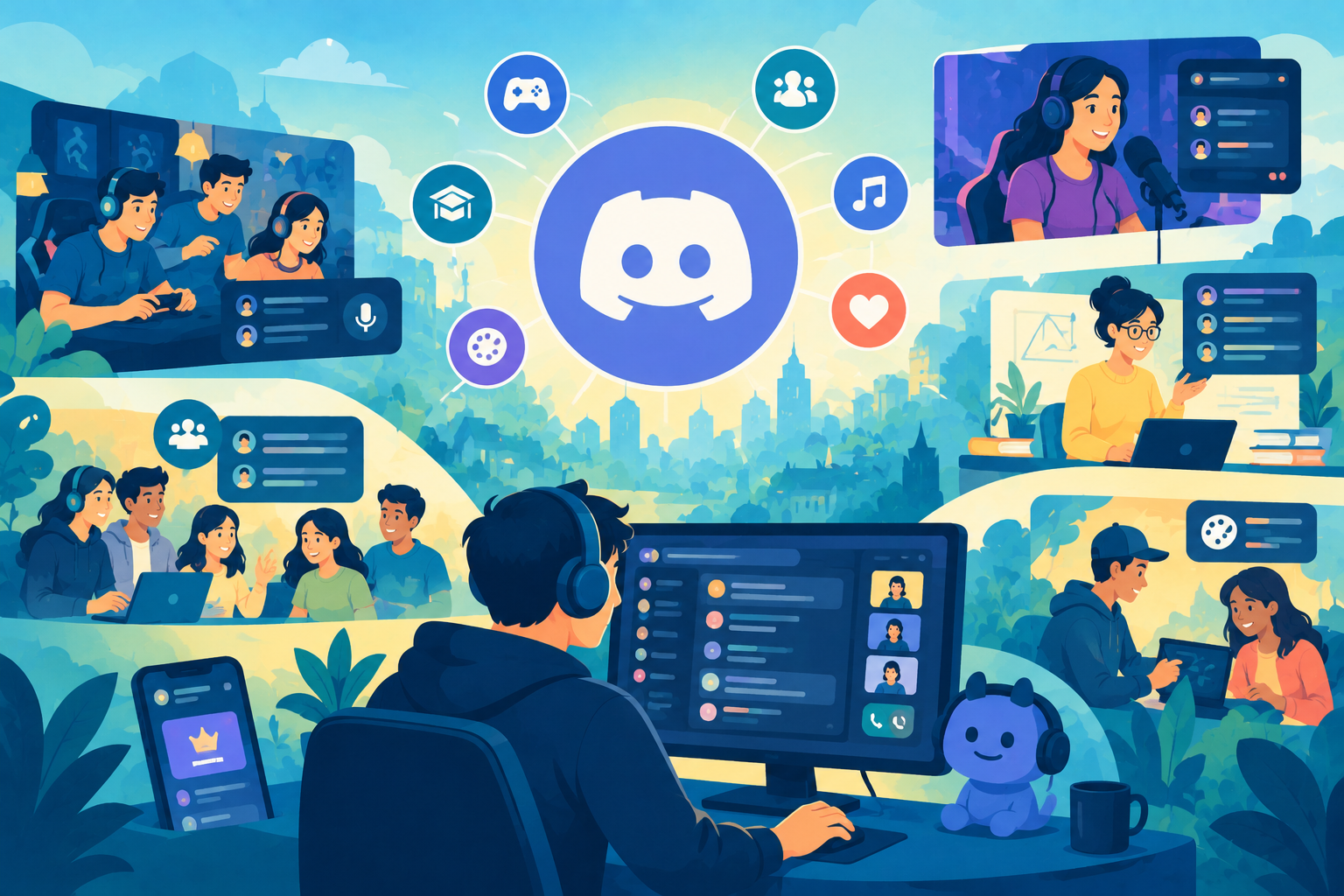
The company gave normal players total control over their own digital rooms. A college student sets up a private room for his five friends to play a racing game. He clicks two buttons to add a text channel and a voice channel.
The software does not force users to read a public feed of celebrity news or political posts. Instead, the software only puts a person into a digital room if a friend sends them a direct invite link. This high level of control helps community-first growth spread quickly. The student invites more classmates, and the private room soon becomes a daily place to talk.
Video game streamers and broadcasters needed a safe place to talk with their fans during live gameplay. Discord lets them create large voice servers for free. A famous streamer posts his server link on his profile page, and thousands of fans download the app to talk to their favourite streamer during live sessions.
This smart invite system is pure community-first growth. The company gets thousands of new signups without spending a single rupee on marketing, because the famous broadcaster does all the hard work to gather the crowd.
During the COVID era, the app drew people in for reasons beyond video games. A schoolteacher built a server for her math class, and a group of friends created a private server to discuss international drama series. The company noticed this shift and removed all the gamer jokes from its official website to show that anyone could use the chat rooms.
This rapid, visible change shows exactly how community-first growth works. The company changed the wording on its website to match what everyday users actually wanted to discuss.
This simple focus on private rooms brought in massive amounts of revenue, but the company lost money for many years because fast internet voice servers are very expensive. By 2021, investors valued the company at fifteen billion dollars, and more than 150 million regular people opened the app every single month.
They reached this huge size strictly through community-first growth. The company does not use standard website banner ads, but it recently started paying players to complete special video game quests.
However, most of their revenue still comes directly from normal users, who pay a monthly fee for Discord Nitro to get special emojis, custom profile colours, and animated images.
Today, other computer companies try to copy this strategy. But they forget that regular people hate cluttered public feeds and fancy internet ads. People just want a quiet digital room to talk with close friends. Good community-first growth gives ordinary buyers a strong reason to invite people into a private space.
Also read: GoPro: How User Content Became the Marketing Engine
A failed iPad game became a massive global business, and the owners never bought expensive television commercials. Honest community-first growth built a giant global company by simply giving people a fast, free place to talk.
Loved this article? Read more insightful articles on Brand Custodian.
–Written by Rajnish Singh, a copywriter and strategist with a background in fast-paced journalism, who explores the gap between what brands promise and how consumers actually behave.