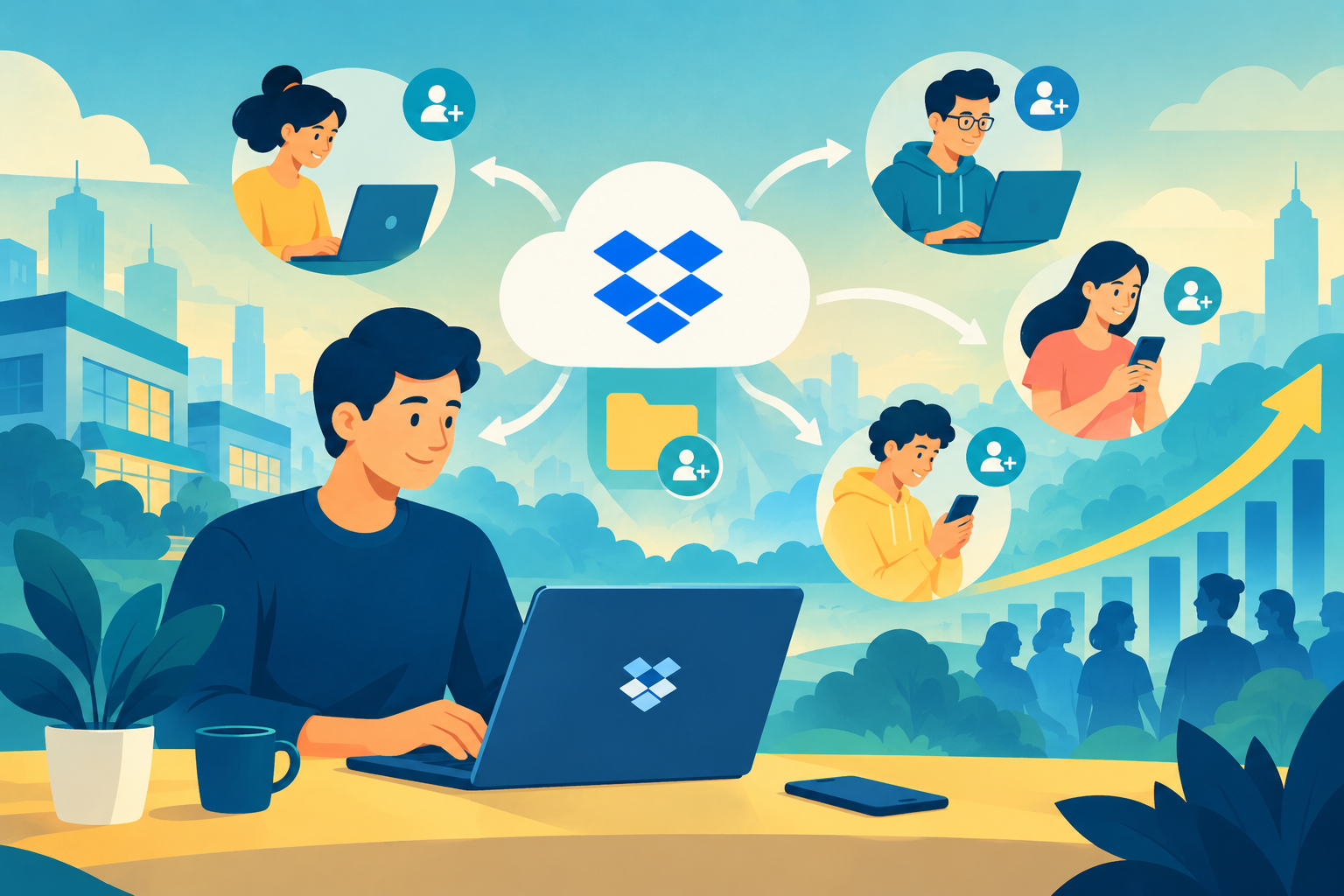
Stop wasting money on expensive ads. Learn how Dropbox used referral marketing to grow from 100k to 4 million users in months.
Looking for a Shorter Overview?
AI Summary
Key Moments
Referral reward doubles storage
Both referrer and referee receive 500 MB extra storage free.Massive growth through referrals
User count surged from 100 k to 4 million in 15 months.Cost‑effective acquisition
Replaced expensive ads with a low‑cost referral system that saves money.Psychological motivation
Users share links because it makes them appear helpful and smart.Long before Dropbox became the ultimate success story for referral marketing, Drew Houston was on a bus to New York in 2007 and opened his computer to write some code. Then he realised he had forgotten his pen drive at home, so he could not open any of his own files. That simple mistake led him to build a clear digital folder that would automatically hold files. He named the new software Dropbox.
At first, it was very hard to get people to use it. Internet ads were too expensive, so he relied on that simple rule of referral marketing. This straightforward rule asks regular users to bring in their friends in exchange for a free digital reward. Today, millions of office workers save their documents using this exact method.
How Referral Marketing Replaces Expensive Ads
Before this programme began, the company tried buying standard internet ads. A small text ad on a Google search page cost them more than three hundred dollars for a single buyer. The software itself costs only ninety-nine dollars for a full year.
The business was losing cash on every sale. Drew stopped buying ads altogether. He looked closely at how people actually talk to each other. A person trusts a close friend far more than a flashy internet banner.
The company added a small digital button to the computer folder. A user clicks the button and enters a friend’s email address. The friend then receives a web link and creates a new free account.
The computer then automatically gives both people five hundred extra megabytes of digital storage space for free. This double reward is the main rule of referral marketing. Neither person pays any money, but both get exactly what they want on their screen.
Old internet companies gave rewards only to new buyers, while the person sending the invite got nothing. Dropbox fixed this unfair system. A college student needs more space to store his large files, but he does not want to pay cash. He simply sends a web link to four classmates, and his storage limit instantly grows on his computer screen. This quick reward helped referral marketing spread very quickly. The student brings in new buyers for free.
The results of this simple choice were huge. In September 2008, the company had 100,000 regular users. They turned on the new invitation button. Over the next fifteen months, the user count grew to four million people. Regular buyers sent more than two million invites in a single month. This massive jump happened purely because of referral marketing. People loved getting free space just for sending a simple email.
Many new software makers waste millions of dollars on expensive TV commercials and pay famous people to talk about their software. But Dropbox showed that everyday people want useful rewards, not beautiful ads.
A user feels smart when he shares a helpful tool with his office team. Good referral marketing gives the buyer a reason to seem helpful. A buyer shares a link because it makes him look smart to his friends.
The computer screen also displayed a clear progress bar. The user watched his free space grow each time a friend signed up. He felt a strong urge to fill the bar completely, so he opened his phone contacts and invited fifty more people. This simple daily habit shows exactly why referral marketing is so powerful. It turns a boring task into a highly rewarding activity.
Also read: How Referral Marketing Builds Trust Faster Than Ads
Today, almost every digital business uses this same invitation strategy. A simple internet folder grew into a global company without buying expensive television ads. A business grows by giving buyers a clear reason to share a link. Honest referral marketing builds a massive global company by turning regular users into happy messengers.
Loved this article? Read more insightful articles on Brand Custodian.
–Written by Rajnish Singh, a copywriter and strategist with a background in fast-paced journalism, who explores the gap between what brands promise and how consumers actually behave.