Stop wasting money on ads. Learn how Notion used community-led growth to turn regular users into a massive global sales team.
Looking for a Shorter Overview?
AI Summary
Key Moments
Founder’s Shift to Community-Led Growth
Ivan Zhao replaced paid sales teams with a community‑led growth rule that turned buyers into teachers and product evangelists.Reward System with Notion Ambassadors
Active users earned titles, badges, and early feature access, motivating them to share knowledge and promote the product.Marketplace for Custom Templates
Users could sell their own digital pages, creating a thriving creator economy and amplifying word‑of‑mouth marketing.Massive Scale and Valuation
By 2025 Notion reached over 100 million users and a $10 billion valuation, proving community‑led growth can outpace traditional advertising.Ivan Zhao’s bank account had almost no money left in 2015. His first software product had failed, so he moved to a cheap apartment in Kyoto to rebuild his writing tool, which he named “Notion”.
With no money for television ads or internet banners, he relied on a strict rule called ‘community-led growth’. This simple rule turns ordinary software buyers into helpful teachers. Today, millions of office workers and college students use this blank digital page to organise their daily lives.
How Community-Led Growth Replaced Paid Sales Teams
Before this software existed, large companies hired expensive sales teams. A man in a suit would knock on office doors to sell software packages. Ivan completely changed that old habit. He noticed that regular buyers loved creating custom pages on his software.
Users create a daily habit tracker with small checkboxes and post a picture of their screen on a public internet board. Other people see the picture and ask for a copy. This kind of natural sharing shows exactly how Community-Led Growth works.
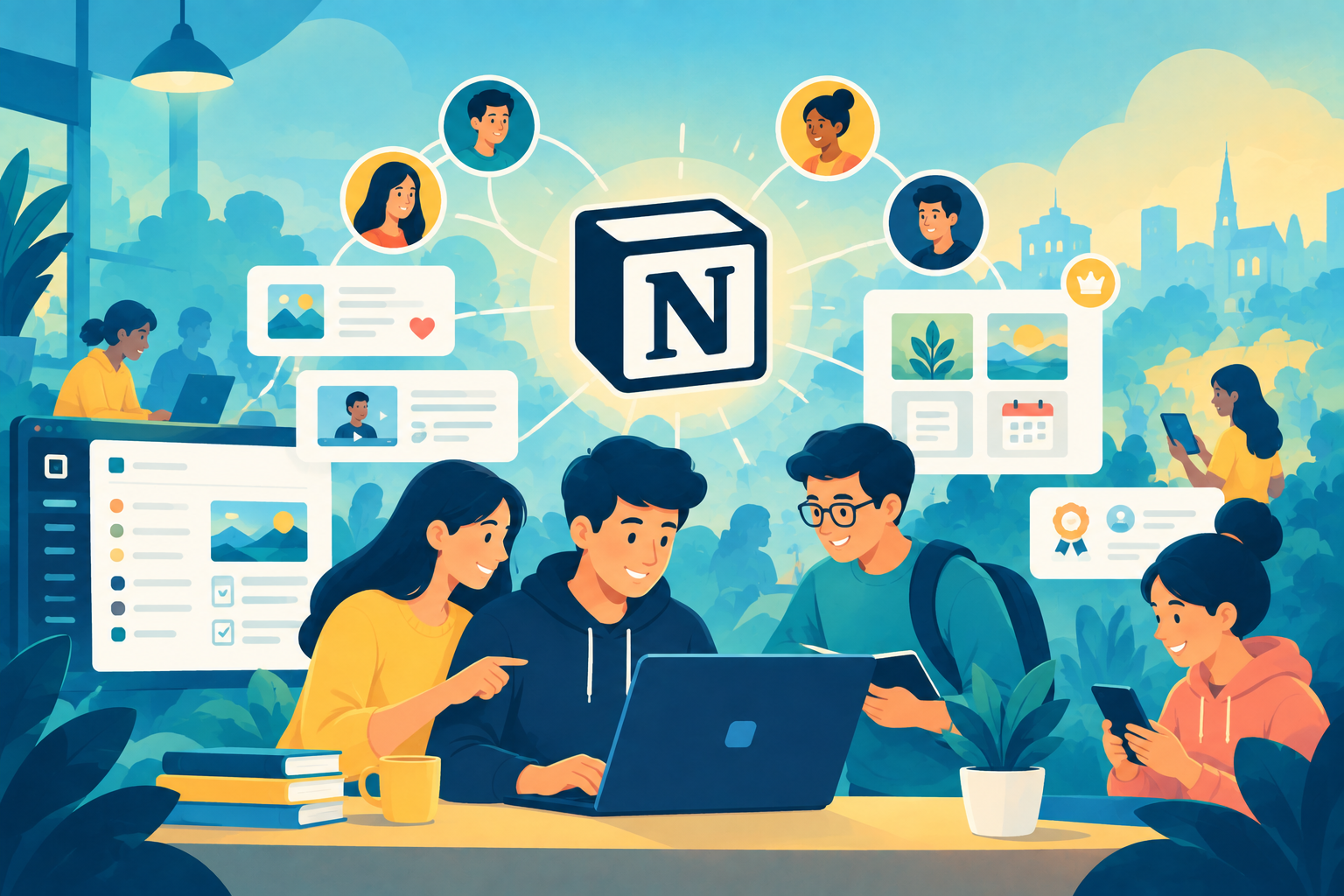
The founders closely watched these active buyers and decided to reward them. Instead of hiring a famous actor to promote their software, they gave their most active everyday users special titles called ‘Notion Ambassadors’.
A college student creates a beautiful reading list page and shares it online, so the company gives him a special digital badge and lets him test new upcoming features before anyone else. This clear reward system helps Community-Led Growth spread quickly. The student feels valued, so he happily teaches other classmates how to use the software.
Old software makers used to force buyers to figure out complex tools on their own, but Notion lets buyers teach one another. A young woman does not know how to make a budget table, so she searches on a video website. Another regular user has already recorded a simple video showing exactly how to create one in a few steps.
The confused woman quickly learns the software, and she never has to read a boring manual. This helpful video is pure Community-Led Growth. The company does not spend a single rupee making the training video, because the users do the hard teaching work for free.
This simple sharing rule brought in millions of new users over the next few years. By 2025, Notion had more than 100 million registered users worldwide on the app. A small group of fans grew into a huge group of buyers worldwide.
The company reached a $10 billion cash valuation without ever hiring a sales team. This massive cash growth came entirely from community-led growth. Regular people sold the product to their friends far better than any paid salesperson could have.
The company also lets buyers sell their own custom templates online. For example, a teacher creates a lesson planner in the software. He sets a five-dollar price for his template link, and other teachers buy it.
This has become a massive business. Thousands of everyday creators make thousands of dollars in passive income each month. The best creators build huge businesses just by selling their custom digital pages.
And the user who earns real cash talks even more about the software on their personal social media pages. This smart sharing system shows exactly why community-led growth works so well. Both the software maker and the buyer profit at the same time.
Today, large computer companies are trying to copy that same strategy. They realise that buyers ignore flashy internet banners and skip television ads. People only trust a new computer tool when a close friend uses it to solve a real problem. Good community-led growth gives ordinary buyers a strong reason to talk about a product.
Also read: Canva: How Simplicity Opened Design Accessibility to Everyone
A simple blank page turned into a massive global business, and the owners never bought expensive TV commercials. Businesses that treat their best users well can grow quickly. Honest, community-led growth builds a giant global company because it simply lets buyers talk to one another.
Loved this article? Read more insightful articles on Brand Custodian.
–Written by Rajnish Singh, a copywriter and strategist with a background in fast-paced journalism, who explores the gap between what brands promise and how consumers actually behave.