Stop selling just features. Discover how self-congruence aligns your brand with who your customer truly wants to be.
Looking for a Shorter Overview?
AI Summary
Key Moments
Definition of self-congruence
Explains the match between product perception and buyer’s self‑identity.How self-congruence drives loyalty
Shows examples where brand alignment leads to pride and repeat purchases.Risks of breaking self-congruence
Describes loss of customers when brand personality no longer matches buyers.Practical takeaway for brands
Advises maintaining consistent brand personality to preserve congruence.Royal Enfield motorcycles are heavy, vibrate at high speeds, and cost a lot of money. A regular commuter bike gives double the mileage at almost half the price. Yet, thousands of buyers happily ignore the cheaper option every month. A buyer chooses the Bullet because the heavy metal and loud sound match how he wants to feel on the road. He wants to look tough and classic.
This match between what a product represents and who the buyer thinks he is is called ‘self-congruence’. When a brand builds self-congruence, buyers treat the product as part of their own life. It stops being just a metal machine.
How Self-Congruence Creates Loyal Buyers
People do not just buy clothes to cover their bodies. A person buys clothes to show who she is to the outside world. Think of two different women going to the same office. One woman always wears FabIndia cotton kurtas. The other wears Allen Solly western shirts. Both are just doing normal office work. But the FabIndia buyer likes traditional Indian things and handmade crafts. The brand matches her personal habits perfectly.
This simple connection is a clear example of self-congruence. She keeps going back to the same store because the clothes suit her daily routine. The Allen Solly buyer feels the same way about her formal trousers. She wants to look sharp and ready for corporate meetings. Both women spend money based on how they see themselves.
We see this exact behaviour in the daily grooming market. A college teenager looking for a face wash does not buy the plain white tube his grandfather uses. He buys a modern brand like Garnier Men. He sees himself as active, fresh, and youthful. The brand matches how he sees himself.
Because of this self-congruence, the teenager feels very confident keeping that specific bottle on his bathroom shelf. He will not switch to a cheaper local soap just to save a few rupees. A brand gets regular sales when buyers feel proud to use the product at home.
Even big car purchases follow this rule. If a family buys a Tata Safari, they want to feel safe and strong on the road. If a single guy buys a Hyundai Creta, he wants to feel stylish and urban. The engine and tyres do the same basic job of driving, but the buyer chooses the car that matches his own personality.
When a carmaker understands self-congruence, it creates advertisements that reflect the exact lifestyle the buyer wants to live. This feeling of self-congruence makes the final decision very easy. A buyer sees the television commercial and thinks the actor on the screen is exactly like him.
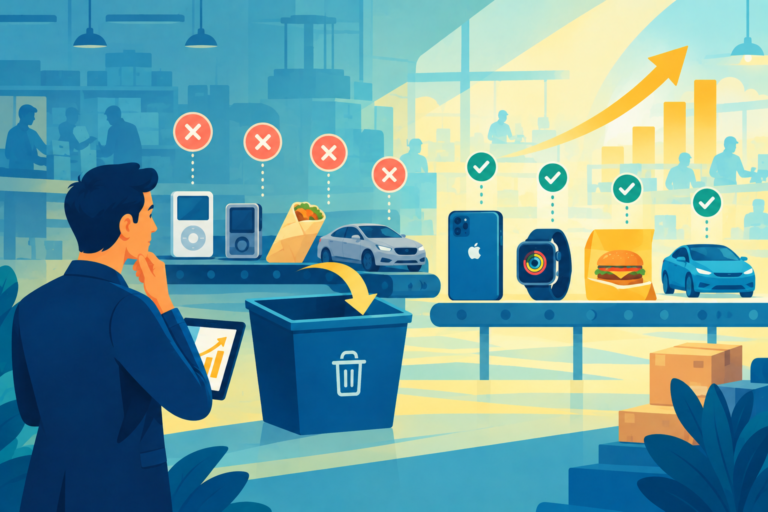
What happens when this connection breaks? Suppose a serious businessman always buys premium Raymond shirts for work. The brand feels mature and proper. If Raymond suddenly starts making bright neon party T-shirts, the businessman will feel confused. The brand no longer matches his serious nature, and the self-congruence is completely broken.
He will immediately stop buying from them and switch to another formal clothing company. Companies lose their best customers when they forget who their buyers actually are.
Smart businesses do not just talk about the basic features of a product. They make sure the brand looks and acts a certain way. Creating that perfect self-congruence is the most reliable way to turn a casual shopper into a regular customer.
Also read: How Consumption Context Shapes Brand Preference
A person will easily switch a basic household tool but will never stop buying a brand that feels exactly like his own identity. Buyers will happily pay extra just to keep using it year after year.
Loved this article? Read more insightful articles on Brand Custodian.
–Written by Rajnish Singh, a copywriter and strategist with a background in fast-paced journalism, who explores the gap between what brands promise and how consumers actually behave.