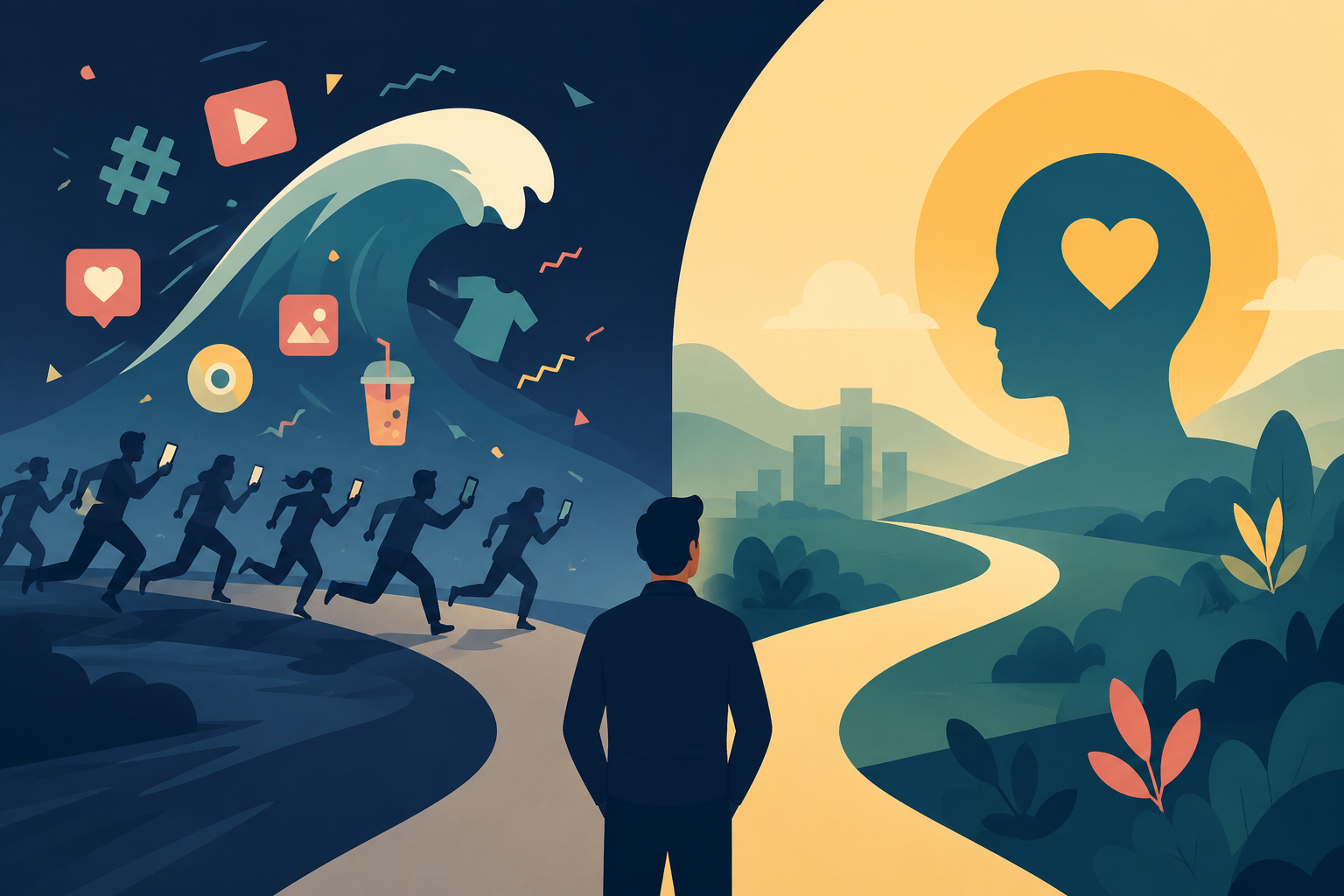
Why chasing Consumer Trends can hurt your brand, and why understanding consumer behaviour drives lasting growth and revenue.
Looking for a Shorter Overview?
AI Summary
Key Moments
Trends vs Behavior Distinction
Explains the critical difference between fleeting consumer trends and deep psychological motivations that drive purchases.Paper Boat's Nostalgia Success
Showcases how focusing on childhood nostalgia—rather than detox fads—creates lasting brand relevance.Sports Media Chasing Virality
Illustrates how chasing trend‑driven content yields short‑term traffic but harms long‑term audience trust.Revenue Impact of Focus
Concludes that prioritizing consumer behavior drives sustainable revenue, while trends only generate temporary views.Marketing teams love a good animated dashboard. If a new social media format drops, or a specific aesthetic starts gaining traction online, the panic sets in. Someone in leadership inevitably points to a competitor’s viral post and says, “Why aren’t we doing this?”
And just like that, the entire strategy pivots.
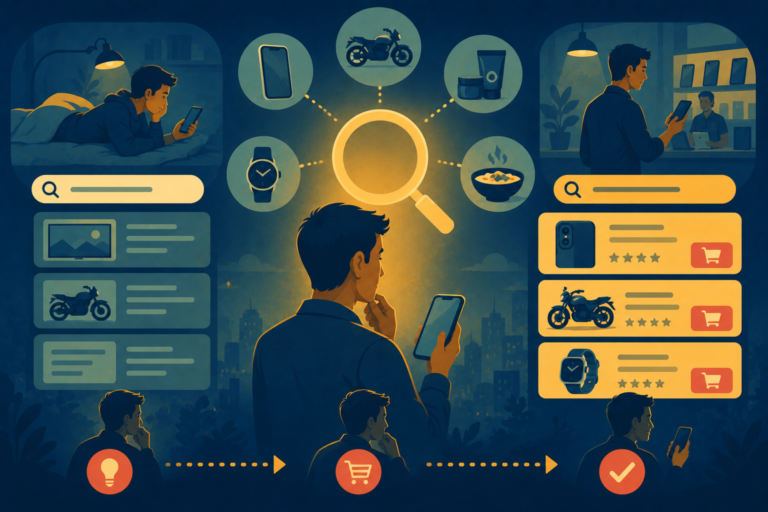
Brands are just obsessed with keeping up with the latest consumer trends. And in that, they mistake the shiny, surface-level things people are doing right now for a long-term business strategy.
But there is a massive, dangerous difference between what a customer is clicking on today and the psychological reason they actually buy.
When you build your business around consumer trends, you are building a house on sand. They are doomed to fall.
The Illusion of Consumer Trends: The Difference Between the “What” and the “Why”
Let’s get the definitions straight. A trend is simply the what. It is a vehicle. It is the explosion of a specific TikTok dance, the sudden demand for matcha-flavored everything, or the sudden obsession with Ghbili filter AI.
Behavior is the why. It is the deep, unchanging psychological need driving the purchase. It is the desire for status, the need for convenience, or the craving for nostalgia.
Consumer trends change every three months. Consumer behavior hasn’t fundamentally changed in three thousand years.
Think about the Indian beverage market. A few years ago, every legacy juice brand panicked because the health and wellness trend was exploding.
They started frantically launching “zero sugar” variants, detox waters, and cold-pressed kale juices to keep up with Western consumer trends. Most of those product lines quietly died on the supermarket shelves because they tasted terrible and felt forced.
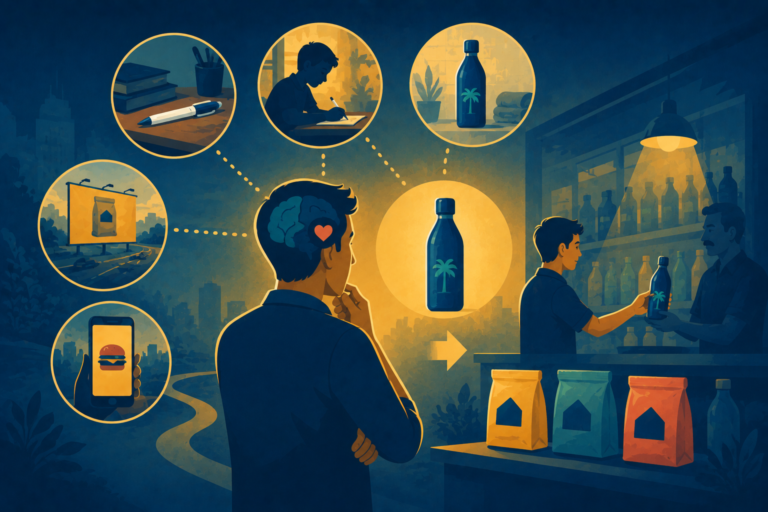
Then you have a brand like Paper Boat. They didn’t care about the detox trend. They looked at consumer behavior. They realized that in a rapidly urbanizing, highly stressful India, millennials were desperate for the comfort of their childhood.
They didn’t sell a beverage; they sold nostalgia. Aam Panna and Jaljeera in a pouch that looked like a paper boat. They tapped into a permanent human emotion instead of a temporary diet fad.
A Lesson from the Sports Desk
I saw this exact same trap play out repeatedly during my time in sports journalism.
Whenever a specific athlete went viral for a controversy, every sports publication on the internet would scramble to write ten articles about it to capitalize on the spike. That is the definition of chasing consumer trends.
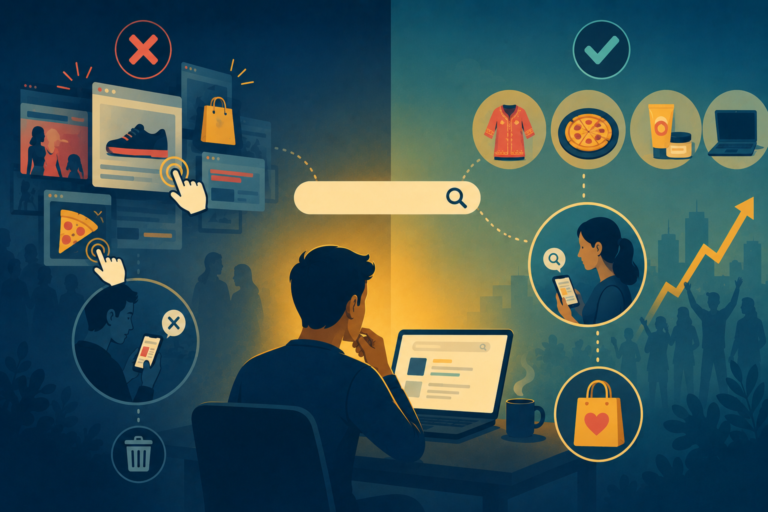
Yes, you get a massive bump in traffic for two days, and then it completely flatlines. Brands forget that they are competing with hundreds of other sites for the exact same cheap clicks.
But the publications that actually retained readers didn’t just chase the trending names. They understood the underlying behavior of a sports fan. Fans don’t just want facts; they want to feel like they are part of a tribal debate.
The smartest sites focused on creating deep, analytical, heavily opinionated content that fueled those debates in the comments and in the day-to-day life of a reader. They ignored the cheap trend to serve the permanent behavior.
Also read: Why Brand Purpose Fails When It Doesn’t Change Business Decisions
The Graveyard of Pivots
There is nothing inherently wrong with riding a trend if it aligns with your core product. If you can use a trending audio track to highlight a genuine pain point your product solves, do it.
The problem starts when the trend dictates the product.
When you constantly chase consumer trends, your brand loses its core identity. You become a chameleon. One month, you are a rugged outdoor lifestyle brand because hiking is trending.
The next month, you are an urban streetwear brand because that’s what the algorithm favors. Your customers get whiplash, and eventually, they just stop paying attention to you entirely.
It is exhausting for your creative team, it burns through your marketing budget, and it destroys your positioning.
Stop trying to predict what aesthetic will be popular next October. Stop refreshing your competitor’s Instagram feed. Instead, talk to your buyers and figure out the exact, unchanging human friction that drives them to open their wallets.
Trends will get you views. Behavior will get you revenue.
– Written by Rajnish Singh, a copywriter and strategist with a background in fast-paced journalism, who explores the gap between what brands promise and how consumers actually behave.