Discover how brand heritage builds trust, reduces buying risk, and creates a lasting competitive advantage competitors can't copy.
Looking for a Shorter Overview?
AI Summary
Key Moments
Time as Unbeatable Asset
Only decades of existence can create genuine consumer trust that cannot be purchasedTechnical Superiority Isn't Enough
Modern competitors often match or exceed heritage brands in features, yet still lose to established trustHeritage Means Emotional Connection
Brands like Royal Enfield and Parle-G sell feelings and cultural memory, not just productsProtect Core Identity Over Trends
Lasting advantage comes from consistent brand promise, not constantly redesigning or following marketing fadsAny brand can hire the smartest engineers in the world to build a great product in six months. They can pay top design agencies millions to create a sleek, modern logo. A company can even buy giant billboards to generate awareness overnight.
But there is one thing no amount of corporate funding can ever manufacture: time.
When consumers spend their hard-earned money on a brand, they do not want to be test subjects for a new business experiment. Buyers do not care how innovative or disruptive a company claims to be. They simply want certainty.
This is exactly why older, established companies hold an invisible advantage over the market. These brands possess a psychological asset that no venture capital firm can buy: brand heritage. And that asset often determines long-term survival.
Brand Heritage Crushes Modern Competition
Most business owners think heritage is simply the age of their company. They believe that printing “Established in 1960” beneath the logo automatically creates trust.
But true brand heritage is not about a date on a calendar. It is about surviving decades of market shifts, competition, and changing consumer preferences without compromising the core promise made to customers.
When a business survives for fifty or eighty years, it proves something important to the human mind: reliability.
Look at the Indian two-wheeler market. Every few years, a well-funded international company enters the country. These competitors launch motorcycles with digital displays, powerful engines, and cutting-edge technology. On paper, the engineering is exceptional.
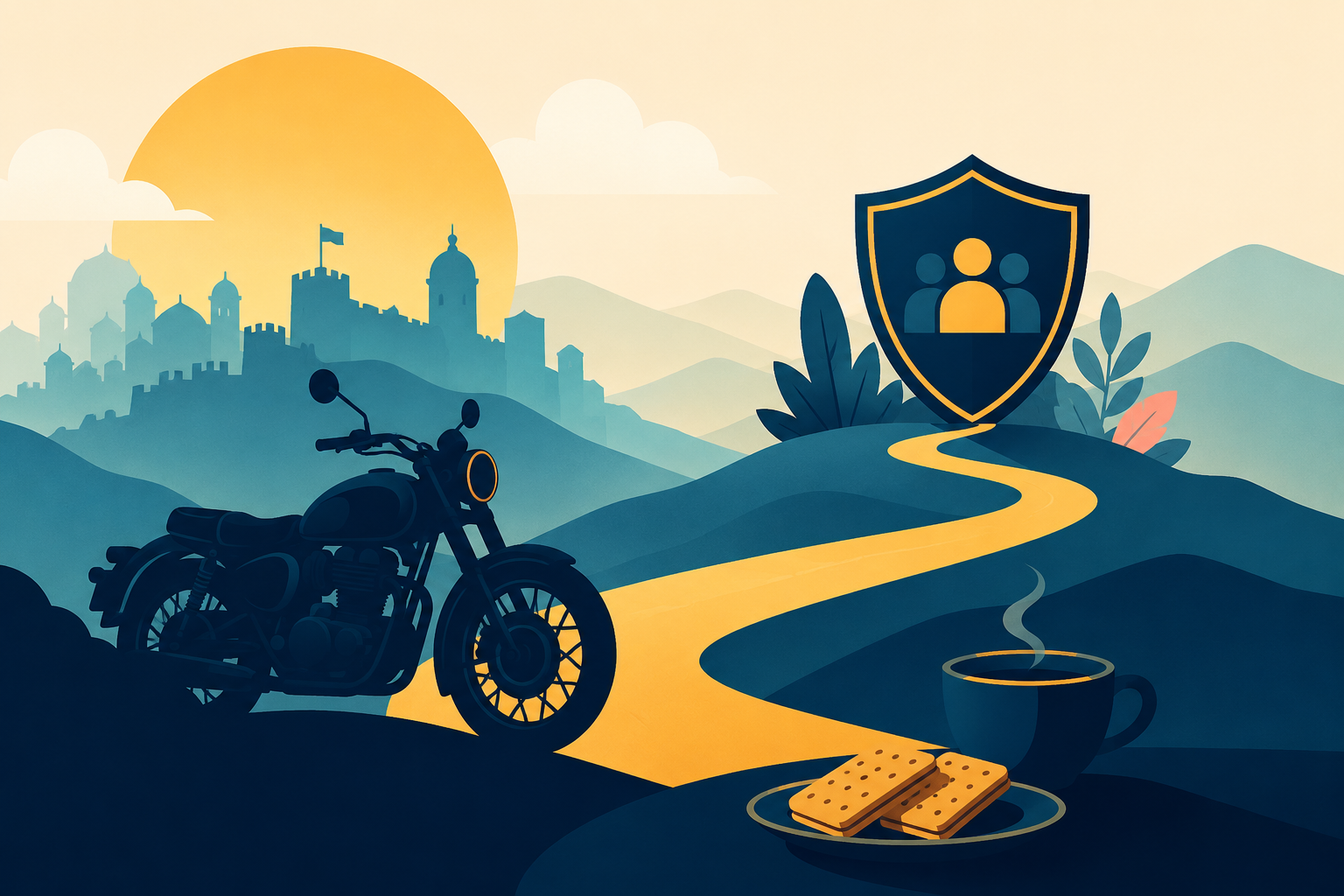
Yet when an Indian buyer has three lakh rupees to spend, many still choose a Royal Enfield Classic 350.
Why?
A Royal Enfield is not the fastest motorcycle on the road. It is heavy. The engine vibrates noticeably at higher speeds. By purely technical standards, it loses on several modern specifications.
But Royal Enfield has never been in the business of selling specifications. It sells history.
The moment a rider starts that unmistakable thumping engine, the mind connects with decades of military heritage, Himalayan road trips, and a spirit of rugged adventure.
A new startup cannot manufacture that feeling. A competitor cannot recreate more than eighty years of cultural trust, even with a technically superior product.
The same principle applies to fast-moving consumer goods.
Walk into any retail store in India and look at the biscuit aisle. Every month, new premium cookie brands appear with imported ingredients, healthier recipes, elegant packaging, and branding inspired by European bakeries.
Yet the undisputed market leader remains Parle-G.
The company has not constantly redesigned its packaging to appear more modern. For decades, the familiar wrapper featuring the iconic little girl with her signature bowl-cut hairstyle has remained largely unchanged. Nor does Parle-G aggressively promote new ingredients or premium positioning.
Yet consumers remain deeply loyal because the brand is woven into their memories. Dipping a Parle-G biscuit into a cup of hot chai is a ritual passed down across generations. That emotional and cultural connection is a competitive advantage that no newcomer can easily replicate.
Also read: How Brand Personality Creates Emotional Differentiation
Many new companies make the mistake of challenging heritage brands with logic alone. They try to win by offering a slightly lower price or marginally better features.
But purchasing decisions are rarely driven by logic alone. More often, they are driven by familiarity.
For a busy consumer, choosing a legacy brand requires almost no mental effort. The brain already knows what to expect because millions of people have trusted that product for decades. That familiarity reduces perceived risk and makes the buying decision easier.
If a business wants to build a lasting competitive advantage, its leaders should stop chasing every new marketing trend.
Instead, they should protect the brand’s core identity and consistently deliver the same promise year after year, decade after decade.
Competitors can copy a product.
They can copy features.
They can even copy pricing.
But they can never copy brand heritage.
– Written by Rajnish Singh, a copywriter and strategist with a background in fast-paced journalism, who explores the gap between what brands promise and how consumers actually behave.