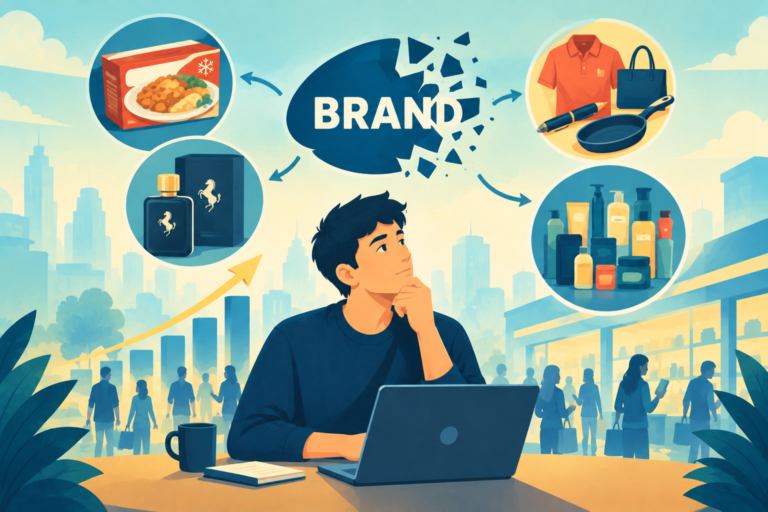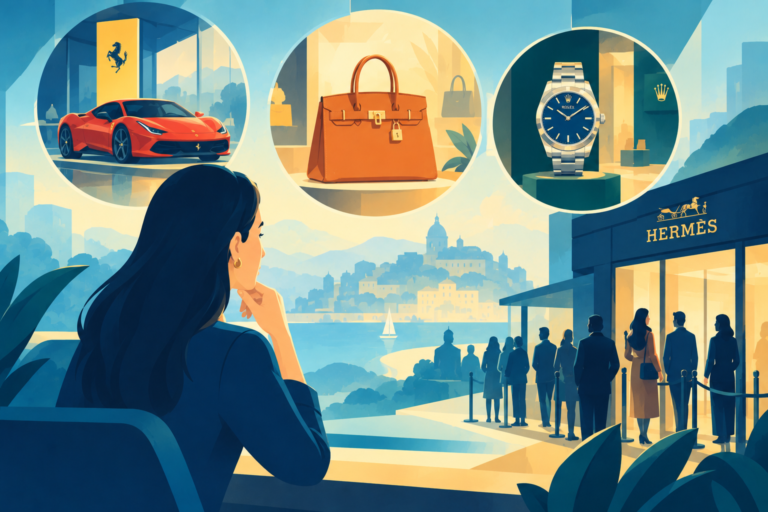
Plain storytelling is dangerous. See how mastering brand archetypes turns ordinary messaging into an unstoppable success.
Looking for a Shorter Overview?
AI Summary
Key Moments
Harley‑Davidson Rebellious Brand
Uses the Rebel archetype to convey freedom and adventure, strengthening customer connection and justifying premium prices.Johnson & Johnson Caregiver Trust
Leverages the Caregiver archetype to create safety and protection messaging, building parent confidence.Nike Hero Motivation
Applies the Hero archetype to inspire perseverance and drive, linking brand values to consumer ambition.Quality Over Storytelling
Warns that even the strongest archetype cannot compensate for a poor product, emphasizing quality as the foundation.People encounter thousands of digital advertisements every day, so they often ignore messages that feel confusing or overly corporate. To sell effectively, businesses need to communicate in a clear and relatable way.
Swiss psychiatrist Carl Jung identified 12 basic personality patterns in 1919. Modern marketers refer to these patterns as Brand Archetypes. Authors Margaret Mark and Carol Pearson explored this concept in their well-known book, explaining how familiar human personalities can make brands easier to understand and trust.
By choosing a specific Brand Archetype, a business can create a consistent personality across its advertisements. Writers then use the same tone and style in their messaging, helping customers recognize the brand quickly and avoiding dull corporate language.
How Brands Use Brand Archetypes to Sell with Rebellion
Motorcycle brand Harley-Davidson is strongly associated with the Rebel personality. Its customers often want powerful bikes that represent freedom and adventure on weekend rides.
The company uses this Brand Archetype in its marketing by focusing on themes such as independence, freedom, and challenging social rules. Its heavy motorcycles, black leather jackets, and rugged imagery reinforce the same rebellious identity. Because the brand’s language matches the physical product and the lifestyle it represents, riders feel a strong connection and may be willing to pay a premium for the motorcycles.
Johnson & Johnson sells baby shampoo designed for parents who want gentle and safe products for their children. The company uses the Caregiver personality to build trust and communicate a sense of protection.
Through its Brand Archetypes strategy, the brand uses soft language focused on safety, comfort, and care. Its images often show happy parents holding their babies, reinforcing the same gentle message. This personality matches the product and helps parents feel more confident about choosing the shampoo. By avoiding aggressive language, Johnson & Johnson presents itself as a reassuring and dependable brand.
Nike sells running shoes to athletes who push themselves through demanding workouts and races. The brand uses the Hero personality to communicate strength, determination, and achievement.
Through its Brand Archetypes strategy, Nike creates motivational messages that encourage runners to overcome challenges and work harder. Its advertisements often show athletes training intensely and sweating on running tracks, reinforcing the idea of perseverance. Because the brand’s words match the effort involved in running, customers feel connected to the message and may be willing to invest in Nike’s premium sports shoes.
Consistent brand language can have a measurable impact on sales. Research from Sprout Social suggests that 77% of consumers prefer to buy from companies that reflect their personal values, while many may avoid competitors that do not share those values.
Brand Archetypes help businesses communicate these values clearly and consistently. A small business might use the same personality guidelines for emails, social media posts, and other marketing materials. When customers encounter the same tone and message across different platforms, they are more likely to recognize, trust, and purchase from the brand.
Business owners should remember one important rule about brand storytelling: Brand Archetypes cannot rescue a poor-quality product. A company may use heroic language in its advertising, but if its running shoes fall apart during a marathon, the customer will return them and demand a refund.
Also read: Why Does Word of Mouth Start With Experiences Worth Talking About?
Businesses must first create reliable products. Once the quality is dependable, managers can choose a Brand Archetype that genuinely fits the product and use it consistently in their advertising. When the message feels authentic and the product delivers on its promise, customers are more likely to buy, return, and support steady revenue.
Loved this article? Read more insightful articles on Brand Custodian.
–Written by Rajnish Kumar, a copywriter and strategist with a background in fast-paced journalism, who explores the gap between what brands promise and how consumers actually behave.