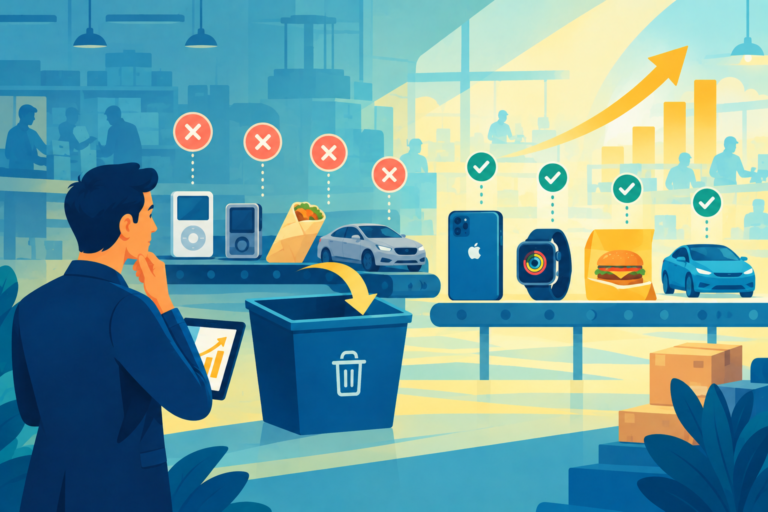
Basic satisfaction is dangerous. See how mastering customer retention turns casual buyers into an unstoppable success.
Looking for a Shorter Overview?
AI Summary
Key Moments
Satisfaction ≠ Loyalty
Even recently satisfied customers often churn, with 60‑80% abandoning a business within weeks.Effort Drives Churn
Complicated or slow support experiences cause customers to leave quickly, as research shows high‑effort processes erode retention.Loyalty Programs Create Reason to Stay
Digital reward schemes give customers a clear financial incentive and purpose to return repeatedly.Proactive Communication Secures Repeat Business
Regular reminders and updates keep the brand top‑of‑mind, increasing the likelihood of customers choosing you again.Restaurant managers may review feedback cards every Saturday and see high ratings for food quality, along with positive comments from diners. However, many satisfied customers still do not return, creating a serious challenge for Customer Retention.
Businesses often assume that satisfaction automatically leads to loyalty, but this is not always true. Research from Bain & Company suggests that 60% to 80% of customers who stop buying had described themselves as satisfied just one week earlier. Strong Customer Retention requires more than simply meeting expectations. Businesses must give customers clear reasons to return instead of choosing a competitor.
How Brilliant Brands Build Customer Retention Beyond Basics
Customers expect everyday products to work properly. Mobile phones should make clear calls, and cotton shirts should fit comfortably. When a product meets these basic expectations, customers may feel satisfied, but that alone does not create strong Customer Retention.
Satisfaction often means only that the business avoided causing a problem. Research published by the Harvard Business Review suggests that customers are more likely to remain loyal when companies respond quickly and effectively to major issues. Delivering a working product on time may not create a memorable experience, so customers can still switch to another seller the following week. Strong Customer Retention requires businesses to offer reliable products and give customers meaningful reasons to return.
As we discussed in our recent article about clear website navigation, excessive effort can quickly damage Customer Retention. Imagine a customer buying a new laptop only for its screen to stop working two months later. When they contact support, they may face a 40-minute wait and be asked to send documents to three different offices.
Research from Gartner highlights the financial impact of complicated service processes, suggesting that customers may leave after a high-effort support experience. Strong Customer Retention depends on making repairs and complaints simple. When businesses create unnecessary obstacles, customers may leave immediately.
Satisfied customers may still compare prices with competitors. For example, shoppers might regularly buy fresh vegetables from a local grocery store, but switch immediately when a new supermarket across the street offers the same products at a 20% discount.
Strong Customer Retention can weaken when customers have no clear reason to stay. Smart managers address this by creating digital loyalty programs. As discussed in our previous article, reward points give customers a financial incentive to return. Shoppers may continue buying from the same store so they can earn and redeem their points.
Many businesses stop communicating with customers after the first purchase. For example, a car mechanic may repair a vehicle successfully, but never contact the driver again. When the vehicle needs another repair six months later, the driver may forget the mechanic’s name and search online for another local service.
Strong Customer Retention requires regular communication between purchases. The mechanic could send simple text reminders about routine vehicle maintenance, keeping the business fresh in the customer’s mind. When the next repair is needed, the driver is more likely to return because the mechanic stayed in touch.
Business owners should understand an important financial principle: strong Customer Retention develops when staying with a business is easier than switching to another one. Satisfied customers may change providers for a small discount, but loyal customers stay because the business makes their daily lives more convenient.
Also read: Why Do Consumer Rituals Make Some Brands Harder to Replace?
Smart managers reduce unnecessary effort by repairing faulty products quickly, answering calls promptly, and remembering customers’ previous orders. When returning to the same store requires little time or thought, customers are more likely to continue buying there. By removing obstacles, businesses can build loyalty and maintain steady monthly revenue.
Loved this article? Read more insightful articles on Brand Custodian.
–Written by Rajnish Kumar, a copywriter and strategist with a background in fast-paced journalism, who explores the gap between what brands promise and how consumers actually behave.