A boring design is dangerous. See how mastering the psychology of category familiarity unlocks massive growth.
Looking for a Shorter Overview?
AI Summary
Key Moments
Category Familiarity Defined
When shoppers recognize a product’s shape and function, they stop seeking new info, causing ads and minor tweaks to be ignored.Phone Replacement Slows Down
Industry data shows people now keep phones 40+ months, up from 18 months a decade ago, due to familiar designs.Minor Changes Ineffective
Adding small visual tweaks like extra lenses or mint dots fails to break habit; buyers still see the same everyday item.Radical Redesign Required
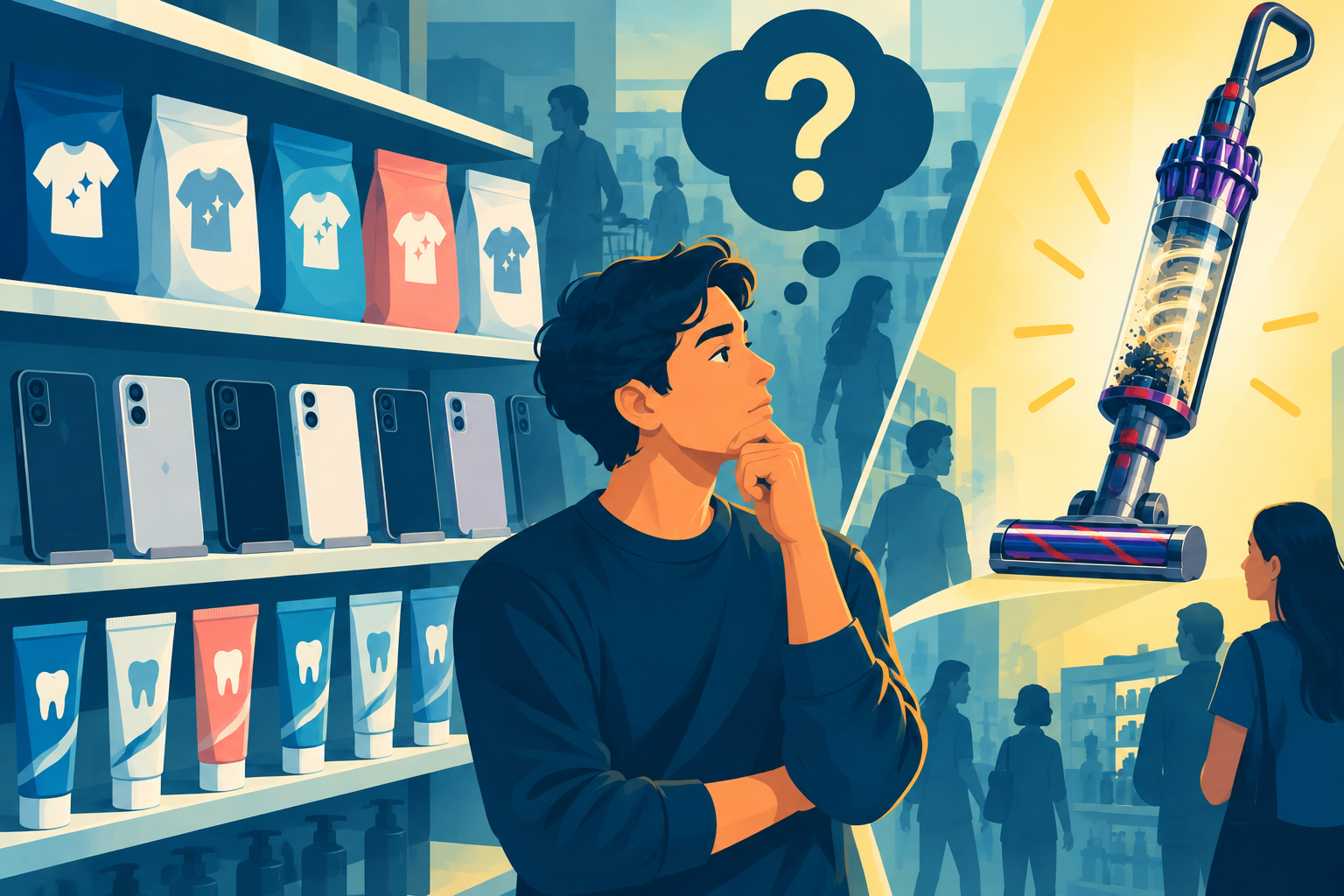
Brands must radically reshape the product’s physical form—like Dyson’s clear tube—to stop habit and win attention.The dangerous trap of category familiarity becomes obvious when you walk into large grocery stores that place many different bags of washing powder on the exact same shelf. The bags have different printed names, but each powder cleans dirty shirts in almost the same way. Buyers know this, so shoppers don’t bother reading the names on the packaging. A buyer simply grabs the familiar brand, puts it in his cart, and walks straight to the cash counter.
This fast, automatic physical habit is called category familiarity. When people already know exactly how a daily product works, they stop looking for new information. A soap company can spend millions of rupees producing a television ad to sell a new soap. However, category familiarity makes the buyer completely ignore the ad. A normal person refuses to learn new facts about a basic washing item he uses every single morning.
The Problem of Category Familiarity
Twenty years ago, factories produced mobile phones in many different shapes. Some phones folded in half, while others had sliding plastic keyboards and thick buttons. Today, almost every phone in the shop is just a flat rectangle of black glass. This shared physical shape creates strong Category Familiarity.
Buyers walk into electronics shops today and see twenty identical phones lined up on a display table. Because the phones look exactly the same from the outside, buyers do not ask the shop worker to explain how the new machines work. The strong presence of category familiarity makes buyers assume every phone does the exact same daily job.
Since buyers think they already know everything about the item, the phone company finds it very hard to get them to pay forty thousand rupees for a newer model. They just look at the smartphone and walk away.
To solve this problem, companies try adding tiny new parts to their machines. A camera brand might add one extra lens to the back of a flat phone. A toothpaste factory might mix small green mint dots into its usual white paste. But these small physical changes fail to stop category familiarity. Buyers look at the tiny green dots and still just see regular everyday toothpaste.
Recent market data proves this exact physical behaviour. In 2023, industry reports showed that people now keep their old mobile phones for more than forty months before buying a new one. A decade ago, people replaced their phones every eighteen months.
This long delay happens strictly because category familiarity stops buyers from wanting to spend cash on something new. If the new item does not look completely physically different from the old item, a person simply keeps his money in his pocket and avoids buying something that looks the same.
A business cannot fix this issue by printing fancy-looking stickers on a cardboard box or adding trending music to an ad video. To beat category familiarity, a company must completely change the item’s physical shape.
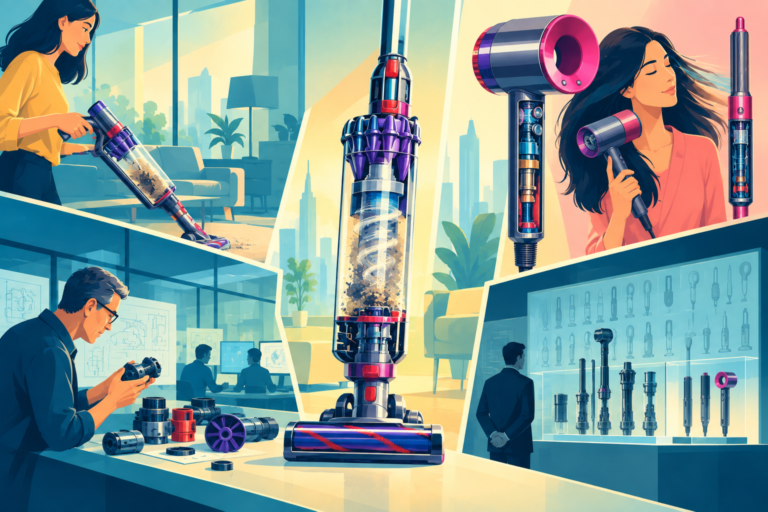
For example, James Dyson did not just build another traditional vacuum cleaner. He completely removed the dark cloth bag and attached a transparent plastic tube so people could watch the dirt spin inside.
That clear plastic tube made people stop and look closely at the heavy machine. The strange visual design immediately broke their old habits. To sell a new item and overcome category familiarity, a brand must make an old household tool look different and new again.
Also read: Can Social Safety Influence What Consumers Choose to Buy?
If a factory just produces another plain white square of soap, buyers will ignore it entirely on a crowded shop shelf. A brand has to create a completely different physical product to avoid category familiarity and get buyers to buy it in the store.
Loved this article? Read more insightful articles on Brand Custodian.
–Written by Rajnish Singh, a copywriter and strategist with a background in fast-paced journalism, who explores the gap between what brands promise and how consumers actually behave.