Discover how sports fans can teach brands to create engaging content through community insights, real-time marketing and audience trust.
Most brands get one thing backwards. Your sports audience usually knows more than you do. Somebody in the comments has watched every game twice and remembers a bench player’s numbers from years ago. In marketing terms, that’s an audience with expert-level knowledge, and you can’t out-talk them. What works is behaving like a member of the community instead of a broadcaster aiming at it. The best content doesn’t try to teach fans everything about a sport. Instead, it gives them something interesting to discuss, debate or share with people who care just as much.
Timing isn’t about “the best times to post”. Fans move through predictable emotional states around an event. Pregame is anticipation, the final whistle is relief or fury, and the ten minutes after a controversial call are pure appetite for a take. Match the mood and the post lands. Miss it and the same post feels tone-deaf. This also means understanding that different audiences react differently to the same moment. A last-minute winner might call for celebration among one set of fans and frustration among another. Good content marketing recognises these emotional differences rather than treating every sporting moment as an opportunity to publish the same generic reaction.
Speed gets oversold. Being first feels like a win, but trust is the asset you’re really building, and one wrong name or misread statistic costs more than a slow post ever will. I’d rather be second and right. Sports audiences are particularly quick to spot inaccuracies because they follow teams, players and competitions closely. A small factual mistake can quickly become the focus of an entire comment section, taking attention away from the original message. Accuracy isn’t just an editorial responsibility; it’s part of building a brand that people want to listen to.
Niche beats broad. Content about “the big game” competes with everyone. A post about one rivalry, one odd rule or one player’s pregame ritual speaks to a tight segment that actually cares, and tight segments are loyal. They also share in places you can’t see. That’s dark social, the traffic that moves through group chats and DMs where analytics don’t reach. Likes are the visible number. The forward to a buddy with “look at this” is the one that matters, and you’ll never see it directly. For brands, this is an important reminder that reach isn’t always the best measure of relevance. A smaller post that sparks genuine conversations within a community can be more valuable than a widely viewed post that nobody remembers five minutes later.
Why does anyone forward it? Social currency. People share what makes them look good to their friends. A fan who sends a statistic nobody else knew becomes the one with receipts. A fan who sends the perfect rant about a bad call becomes the loyal one. Your post is a badge they wear for ten seconds, so before publishing, ask what the sender gets out of it. Does it make them look knowledgeable? Does it give them a fresh perspective? Does it capture something they’ve been trying to explain to their friends? Understanding these motivations can help brands create content that people genuinely want to pass along rather than content that simply asks for engagement.
Then there’s the unplanned stuff. A legend retires, or a team collapses in the final minute, and the content calendar is dead by lunch. This is real-time marketing, and the best of it is rarely polished. Someone spots the angle in thirty seconds, a statistic or a screenshot or one blunt line, and it’s out before the group chat moves on. You can’t schedule that. You can build a team that’s ready for it. That means giving people the freedom to respond to relevant moments, keeping approval processes practical and knowing when a brand should stay out of a conversation. Not every trending moment needs a brand’s opinion, and forcing one can do more harm than good.
So the job comes down to respecting the audience’s expertise, meeting their mood, protecting trust over speed, staying specific and giving them something worth forwarding. Fans aren’t a number on a dashboard. They’re people texting each other at midnight, arguing over decisions, remembering statistics and celebrating moments that matter to them. The goal isn’t simply to get their attention. It’s to create something worth a spot in that thread.
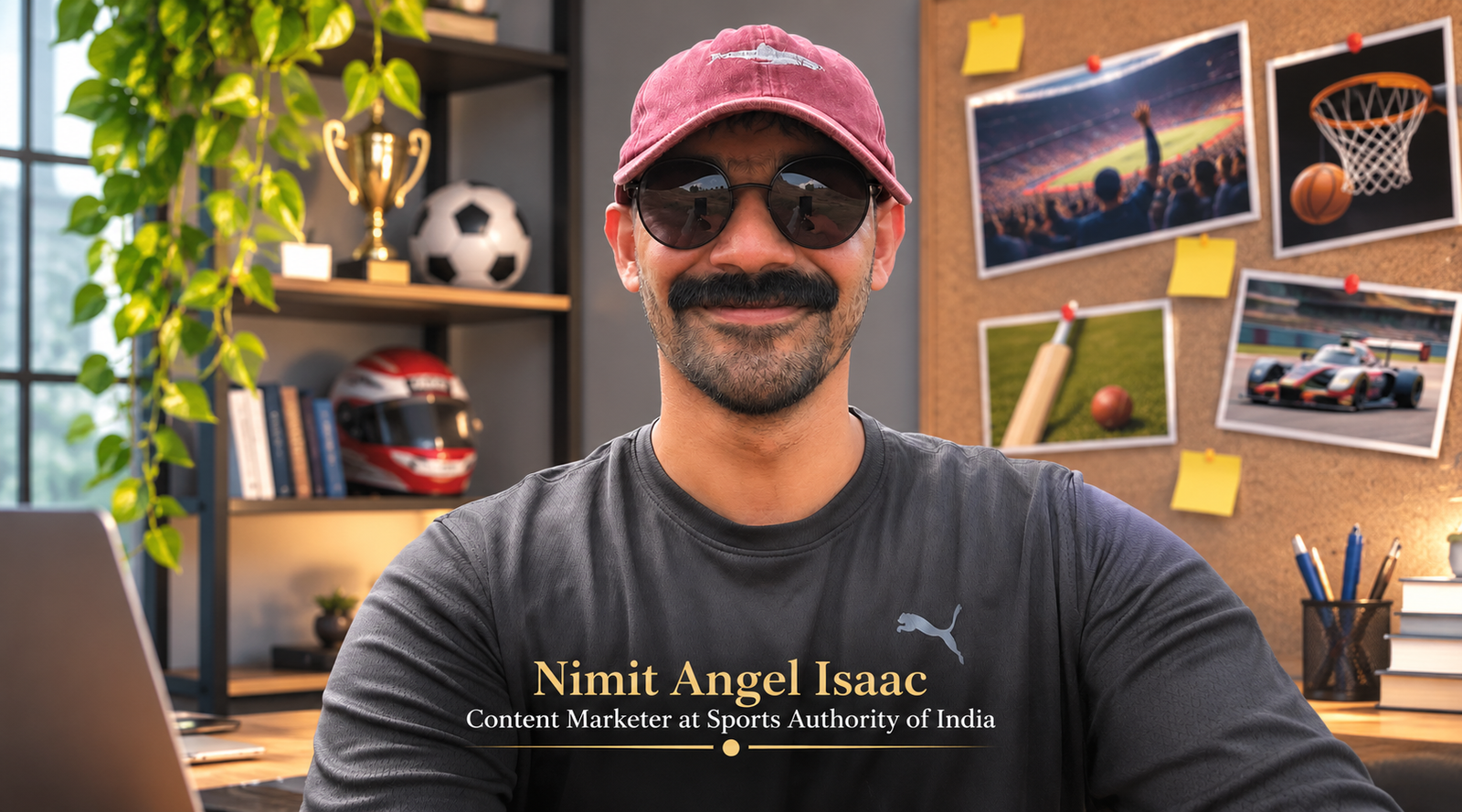
– Written by Nimit Angel Isaac, a Media and Communication Associate at Sports Authority of India. He has spent years building editorial and social strategies for sports audiences. He writes about the gap between what brands think fans want and what fans actually do with the content in front of them. When he’s not tracking the next big moment in sport, he’s usually in the comments, learning something from someone who knows more than he does.