Stop overpaying for fashion. Learn how Zudio used brilliant value retail disruption to build a massive retail empire.
Looking for a Shorter Overview?
AI Summary
Key Moments
Under‑₹999 Pricing Rule
Every item costs less than 999 rupees, eliminating price concerns for shoppers.Rapid Stock Turnover
Old designs are replaced every two weeks with fresh arrivals, creating urgency and variety.Expansion into Tier‑2 Towns
Hundreds of stores opened in smaller Indian cities, reaching underserved customers beyond metros.Massive Revenue Generation
More than a thousand stores generated over ₹8,300 crore in a year through this low‑price model.Buying new clothes often leaves an everyday shopper torn between an open street market and an expensive mall, but the brilliant model of value retail disruption completely changed this dynamic. In India, where millions of young buyers want trendy branded clothing without paying premium prices, the Tata Group spotted a massive market gap and launched Zudio.
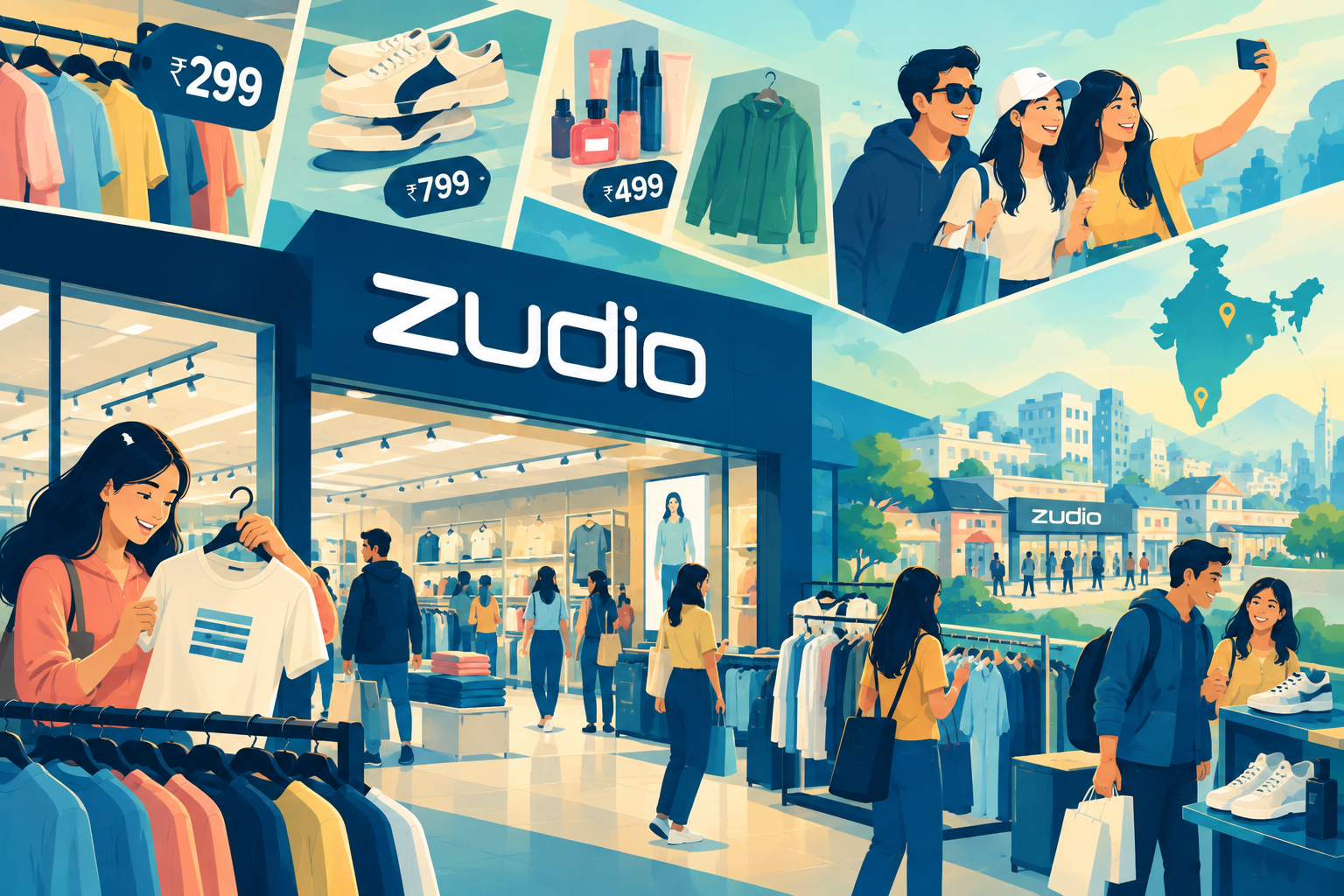
They opened a store that felt like a premium-brand shop, with air conditioning, bright lights, and clean mirrors in a large space, while keeping the printed price tags very low. This strict cash rule is called value retail disruption.
Shoppers no longer have to visit crowded outdoor markets just to save money. They can simply walk into this store and buy a fresh cotton shirt for exactly two hundred and ninety-nine rupees. This shift in shopping habits shows how value retail disruption can completely reshape a huge clothing market.
How Brilliant Value Retail Disruption Replaced the Mall
Most fashion brands adjust prices based on fabric or season. A buyer picks up a thick winter jacket and worries about the hidden cost. Zudio removed that worry entirely. Every piece of clothing, pair of shoes, and perfume bottle in the store costs under 999 rupees. This strict physical price limit is the main rule of value retail disruption.
Families come to the shop with a single one-thousand-rupee note in hand. A parent knows she can buy two or three different items for her children without asking the cashier for a discount.
When a brand removes the fear of high prices, value retail disruption makes buyers purchase more items than they intended to. Customers pay without complaint because the total price is very low.
Old clothing shops keep the same shirts on their shelves for months. But Zudio removes old clothes and puts brand-new designs on the racks every two weeks. Large trucks constantly deliver fresh clothing designs. This rapid physical movement shows the real strength of value retail disruption.
Buyers visit the store on a Tuesday and find completely new dresses that were not there last month. They pay cash right away because they know the fabric will disappear from the shelf very soon.
The company also refuses to spend money on expensive television ads or famous actors. Instead, it saves that cash and uses it to keep clothing prices low. This quiet, direct selling method makes Value Retail Disruption highly profitable for the business.
Big foreign fashion brands usually open their large stores only in major cities like Mumbai or Delhi. They completely overlook buyers in smaller towns. Zudio changed that by building hundreds of large physical stores in smaller Indian towns where buyers still want modern clothes.
Today, the Tata brand operates more than a thousand stores across the country. In a recent financial year, this simple clothing brand generated over ₹8,300 crore in cash revenue. It reached this massive cash figure strictly through value retail disruption.
A business does not need to sell expensive luxury items to make big profits. Tata showed that selling cheap, good-quality clothes in a clean room can bring in massive daily cash. Good-value retail disruption gives ordinary people good clothes for a small amount of cash.
Also read: Dollar Shave Club: How Viral Growth Challenged a Category Giant
A factory only needs to keep prices low and the store floors clean. Honest value retail disruption works perfectly, because ordinary buyers always respect a brand that saves them hard-earned cash.
Loved this article? Read more insightful articles on Brand Custodian.
–Written by Rajnish Singh, a copywriter and strategist with a background in fast-paced journalism, who explores the gap between what brands promise and how consumers actually behave.