A published book is only the beginning—authors must also learn how to market, build awareness, and reach readers.
Looking for a Shorter Overview?
AI Summary
Key Moments
Publication vs. Marketing Reality
Getting a book published does not guarantee readers will notice it; marketing is a distinct, essential challenge.Serendipity in Publishing, Intentionality in Marketing
A chance publishing deal still requires deliberate, strategic promotion to reach an audience.Award Recognition Doesn't Guarantee Sales
Winning literary awards raises visibility but does not automatically translate into commercial success.The Relentless Work of Visibility
Building and maintaining reader awareness demands ongoing effort, promotion, and comfort with self‑marketing.My publishing journey has been anything but planned. If anything, it has been a series of fortunate accidents that eventually led me to become a published author.
After completing my studies in Creative Writing at the University of Sheffield, I found myself wondering what came next. I wanted to publish my writing, but I had absolutely no knowledge of the publishing industry or how one even went about approaching a publisher. I did what most people would do in that situation: I searched for Indian publishers of children’s fiction and began sending out my work.
In early 2017, I sent the first 10,000 words of my middle-grade fiction to Duckbill Books. Then I waited. And waited. I heard nothing.
A few months later, I attended a writer’s retreat conducted by the Singapore Book Council. One of the faculty members had to drop out at the last minute because of an injury and was replaced by Sayoni Basu of Duckbill Books. During my one-on-one pitching session with her, Sayoni mentioned that she remembered reading my excerpt. She offered some constructive criticism and spoke about the changes she thought would strengthen the story.
Then came the words I wasn’t expecting to hear: “I will publish your book.”
There was no fanfare or dramatic announcement. Just a quiet assurance that completely caught me off guard. My spontaneous response was to ask if I could give her a thanksgiving hug. She agreed with a smile. When I emerged from the room, still slightly dazed, I shared the news with the other participants. There were hugs, backslaps, and plenty of congratulations.
It felt like the difficult part was over. In reality, another journey had only just begun.
When I returned to Mumbai, I started a new job as the Head of an international school. The responsibilities of the role left me with very little time or mental space to develop the story. I continued thinking about my protagonist and the other characters, imagining where their stories might go, but months passed without me putting a single word on paper.
Eventually, it was another reminder from Sayoni that jolted me back into action. After several false starts, I returned to the manuscript in earnest in 2019. Her suggestions helped sharpen the writing, but more importantly, they taught me to appreciate the collaborative relationship between an author and an editor.
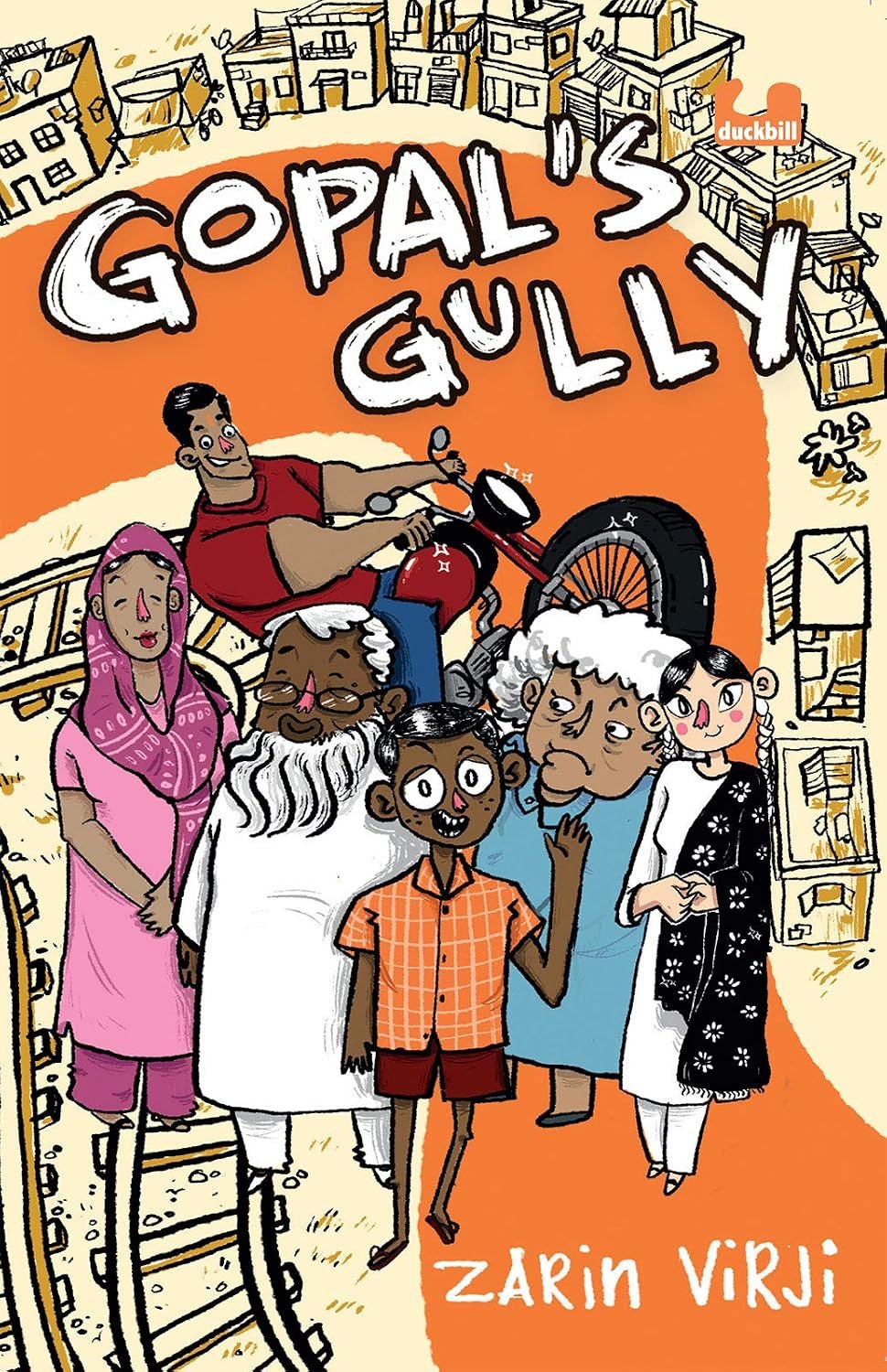
The book was finally published in 2021 by Penguin Random House India, after Duckbill had become an imprint of PRH. Holding the author’s copy of Gopal’s Gully for the first time was one of the proudest moments of my life.
At that point, I assumed my job was done. I had written the book. It had been edited and published. What else was there to do?
That was when I discovered something I had never really considered: getting a book published and getting people to notice it are two very different things.
I had never imagined that marketing the book would also become part of my responsibility as an author. PRH helped create some initial opportunities, including a radio talk, a couple of book reviews, and one or two articles. But beyond those openings, I was largely left to figure out how to take the book to readers.
The timing didn’t help either. COVID restrictions meant that I couldn’t have an in-person book launch. More importantly, marketing required a set of skills that I simply didn’t have.
I found the idea of constantly putting myself out there particularly uncomfortable. Posting on social media about how wonderful my book was did not come naturally to me. Writing a book had been an exercise in imagination, persistence, and craft. Marketing it required me to become much more comfortable with visibility, promotion, and telling people why they should pay attention.
Also read: Marketing Needs Marketing
That was a completely different skill set.
In 2023, Gopal’s Gully won the Best Children’s Book Award at the Kalinga Litfest. It was a wonderful recognition, and naturally, I was thrilled. But the award also taught me another lesson: recognition does not automatically translate into commercial success. A book can win an award and still struggle to reach the wider audience an author hopes for.
Since then, I have had two more books published and have become a little more worldly when it comes to marketing. I understand better now that writing the book is only one part of an author’s journey. Finding readers, building awareness, and keeping the book visible require just as much thought and effort.
I still cringe a little at the tremendous amount of work required to make a book noticed by the public. But perhaps that is another part of the learning curve.
Publishing may have happened for me through a series of serendipitous moments. Marketing, I have discovered, is far less accidental.
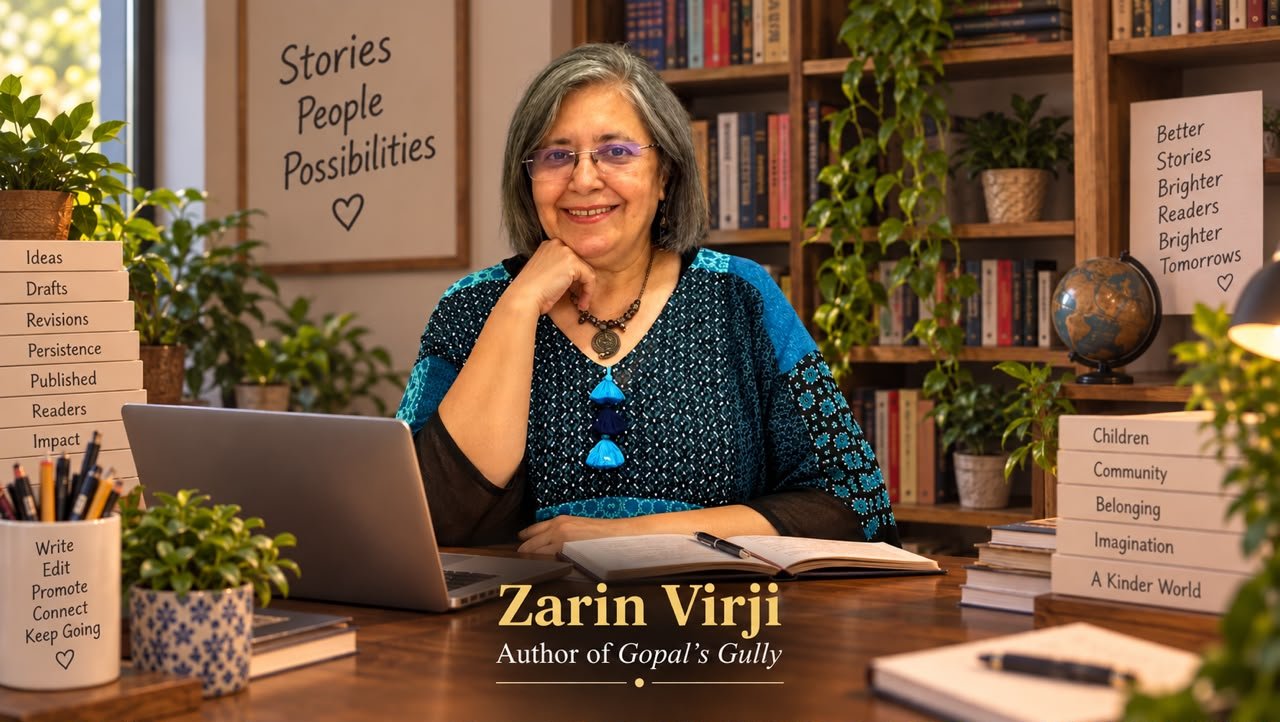
– Written by Zarin Virji, a Mumbai-based writer, poet, and educator with over three decades of experience in teaching, teacher training, and school leadership. A graduate of the Creative Writing programme at the University of Sheffield, she is the author of Gopal’s Gully, Living with Adi, and Of Feathers and Wings.