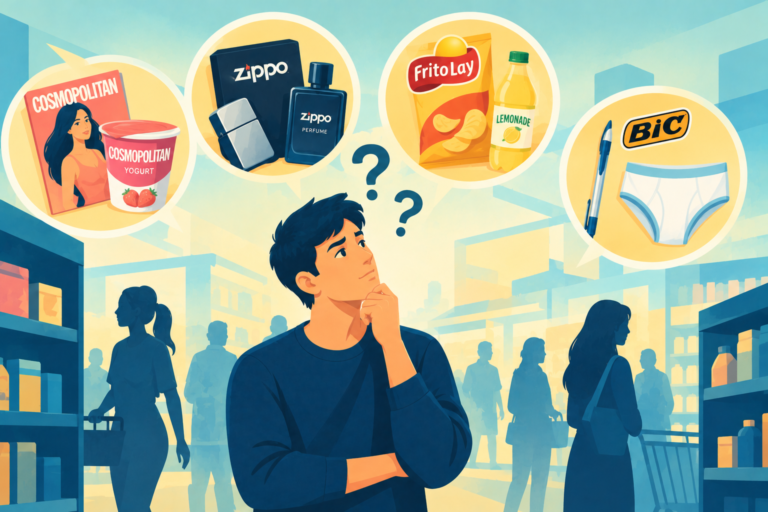
Usage Occasions help brands understand why consumers buy, revealing opportunities that demographics alone often miss.
Looking for a Shorter Overview?
AI Summary
Key Moments
Demographics vs Occasions
Usage occasions provide context that demographics miss, determining actual consumer behaviorConsumer Mindset
Consumers think about situations and needs, not demographic segments when making purchasing decisionsGrowth Through Relevance
Brands grow by becoming relevant in more consumer situations where needs arise, not just broader audience targetingJobs to Be Done
Products are 'hired' to accomplish specific tasks in particular situations, not just bought based on who the consumer isFor years, marketers have been taught to begin with the consumer: their age, gender, income, location, profession, or family status. These demographics are useful for describing who people are, but they do not always explain why they buy. A 25-year-old professional and a 45-year-old parent may have very little in common demographically, yet they could find themselves reaching for the same product for exactly the same reason. This is where Usage Occasions become more useful. Instead of asking only who the consumer is, brands can ask when the need arises, what is happening at that moment, and what the consumer is trying to accomplish.
Usage Occasions Reveal What Demographics Often Miss
Demographics provide a profile. Usage Occasions provide context. And context is often what determines behaviour.
Consider a simple example: coffee. A brand might define its audience as urban professionals between 25 and 40. That tells it something about the person, but very little about the moment in which coffee is actually consumed. The same consumer could drink coffee while rushing to work, during an afternoon break, while meeting a friend, or late at night while working on a deadline. Each of these is a different occasion, with a different need, mindset, and competitive set.
This distinction matters because consumers do not walk around thinking about themselves as demographic segments. They think about situations. They want something quick before leaving home. They need an energy boost in the afternoon. They want to make guests feel welcome. They are looking for an easy dinner after a long day. The occasion creates the need, and the need influences the choice.
Research into consumer occasions similarly describes them as specific moments shaped by time, place, emotions, social surroundings and practical needs. Two consumers who look identical on a demographic spreadsheet can therefore make very different choices depending on the situation they are in.
This is also why moving beyond demographics does not mean abandoning them altogether. Demographic information can still help brands understand broad audience characteristics. The problem begins when it becomes the primary lens for predicting behaviour. Research from C+R argues that attitudes, behaviours and self-perceptions can be just as important, or more important, than traditional demographic characteristics when trying to understand consumers.
Usage Occasions can also open up growth opportunities. A brand that thinks only about its existing consumer may ask how to get that person to buy more. A brand that thinks about occasions can ask a more interesting question: what other moments could we be relevant in?
A snack brand, for example, may traditionally associate itself with hunger between meals. But the actual occasions could be much broader: watching a movie, travelling, working late, entertaining friends, packing a child’s lunch or looking for a small indulgence. Each occasion can represent a different reason to choose the brand and potentially a different communication opportunity.
Also read: How Perceived Innovation Shapes Brand Leadership
This approach is particularly powerful because occasions can repeat. Shopping and consumption patterns often cluster around particular times, days, routines, and seasonal moments. When those patterns are identified, brands can move from broad audience targeting towards more relevant behavioural targeting.
It also changes the way brands approach segmentation. Instead of creating a segment called “urban women aged 25-34”, a brand might identify “weekday convenience seekers” or “weekend social shoppers”. These descriptions are closer to behaviour and, more importantly, suggest what the brand needs to do.
The idea connects closely with the Jobs to Be Done approach as well. Consumers effectively “hire” products to accomplish something in a particular situation. Understanding the occasion helps a brand uncover that job: not simply what people buy, but what they are trying to achieve when they use it.
The real opportunity, then, is not to choose between demographics and Usage Occasions. It is to recognise that they answer different questions. Demographics tell us something about the person. Occasions tell us something about the moment.
And for marketers trying to influence behaviour, the moment can be far more revealing. Brands grow when they become relevant in more of the situations where consumers have a need. Sometimes, the most valuable audience insight is not who is standing in front of the shelf, but what brought them there in the first place.