Learn how delayed gratification helps premium brands build exclusivity, trust, desirability and lasting brand value.
Looking for a Shorter Overview?
AI Summary
Key Moments
Delay signals exclusivity
Premium brands use controlled scarcity and waiting to increase perceived value and desirability.Psychological value of waiting
Customers assign higher worth to products requiring patience, effort, or sacrifice, turning anticipation into emotional reward.Brand trust through long‑term focus
Companies that forgo short‑term sales for consistent quality build stronger loyalty and brand equity.Customer relationships as delayed rewards
Loyalty programs and memberships that unlock benefits over time deepen engagement and repeat business.In an era where same-day delivery, instant streaming and one-click purchases have become the norm, consumers have grown accustomed to getting what they want almost immediately. Yet, some of the world’s most admired brands deliberately move in the opposite direction. They ask customers to wait, join waiting lists, apply for access or patiently anticipate a product launch. Surprisingly, that wait often makes the brand even more desirable.
Delayed Gratification is commonly understood as the ability to postpone immediate rewards in favour of greater long-term value. While the concept is often discussed in psychology and personal development, it has an equally important role in branding. Premium brands rarely compete by offering instant satisfaction. Instead, they create anticipation, reinforce exclusivity and make ownership feel like an achievement rather than a transaction. The waiting itself becomes part of the product experience, strengthening the emotional value customers attach to the brand.
How Delayed Gratification Builds Stronger Brand Value
One of the biggest differences between mass-market and premium brands is that premium brands are comfortable saying “not yet.” They understand that not every customer needs immediate access. In fact, making something instantly available can sometimes reduce its perceived value.
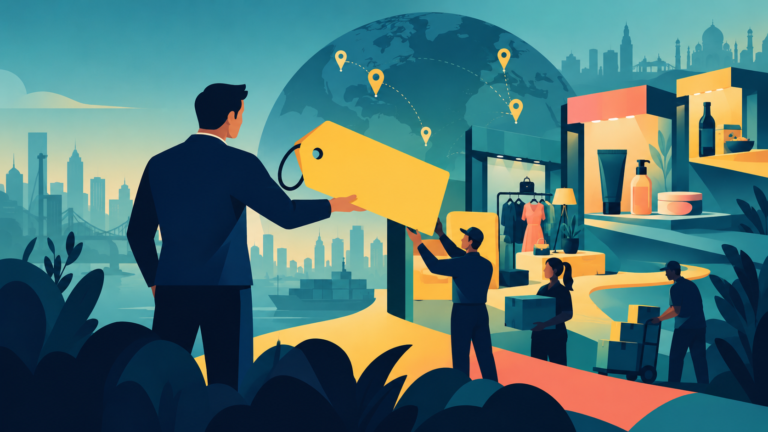
Luxury watchmakers, fashion houses and high-end automotive brands have long mastered this principle. Limited production, carefully managed inventories and exclusive launches create scarcity that feels authentic rather than manufactured. Consumers begin to associate patience with prestige because obtaining the product requires commitment instead of impulse. Waiting transforms a purchase into a milestone.
This doesn’t mean premium brands deliberately frustrate customers. The waiting period has to feel purposeful. Consumers are willing to wait when they believe the product represents exceptional craftsmanship, enduring quality or personal achievement. If the delay appears artificial or unsupported by genuine value, it quickly becomes a source of dissatisfaction rather than desire.
The psychology behind this is relatively straightforward. People often place greater value on things that require effort, patience or sacrifice to obtain. The anticipation itself becomes emotionally rewarding. By the time the product finally arrives, the customer has already invested time and emotion into the purchase, making ownership feel more meaningful. Research into luxury consumption consistently shows that emotional benefits such as identity, authenticity and self-expression are central to why consumers seek premium brands.
Also read: Why Category Design Is the Next Competitive Advantage
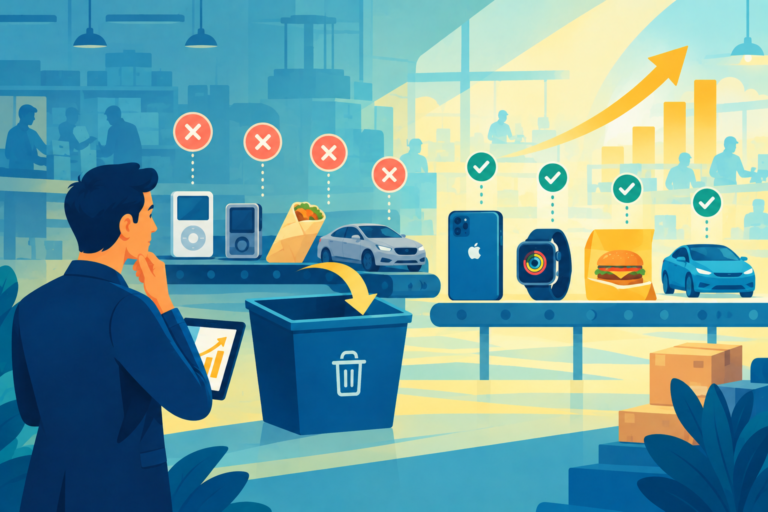
The same principle extends beyond luxury goods. Many successful businesses resist the temptation to maximise short-term sales at the expense of long-term brand equity. Instead of frequent discounts, endless promotions or aggressive expansion, they focus on consistency, product quality and reputation. Delayed financial rewards often create stronger businesses because customers learn to trust brands that protect their positioning rather than chase immediate revenue. This mindset is equally recognised in entrepreneurship, where long-term discipline typically produces more sustainable growth than pursuing quick wins.
Brands can also apply delayed gratification to customer relationships. Loyalty programmes that reward continued engagement, memberships that unlock benefits over time and communities built around long-term participation encourage customers to stay invested. Rather than offering instant discounts, these approaches create a sense of progression that strengthens emotional attachment while encouraging repeat behaviour.
Of course, delayed gratification is not a universal strategy. Consumers still expect convenience, responsive service and frictionless purchasing experiences. The goal is not to make buying difficult but to ensure that anticipation enhances the experience rather than replacing it. Premium brands remove unnecessary friction while preserving the elements that reinforce exclusivity, craftsmanship and aspiration.
Perhaps that is why the strongest premium brands rarely seem impatient. They are willing to grow steadily, protect their identity and resist shortcuts that might weaken long-term perception. In a marketplace obsessed with speed, their confidence lies in knowing that lasting value is rarely built overnight.
Ultimately, Delayed Gratification is less about making customers wait and more about giving them something genuinely worth waiting for. When patience is rewarded with exceptional quality, authentic storytelling and meaningful ownership, the wait itself becomes part of the brand. That is one reason premium brands continue to command admiration, loyalty and pricing power long after faster-moving competitors have faded from attention.