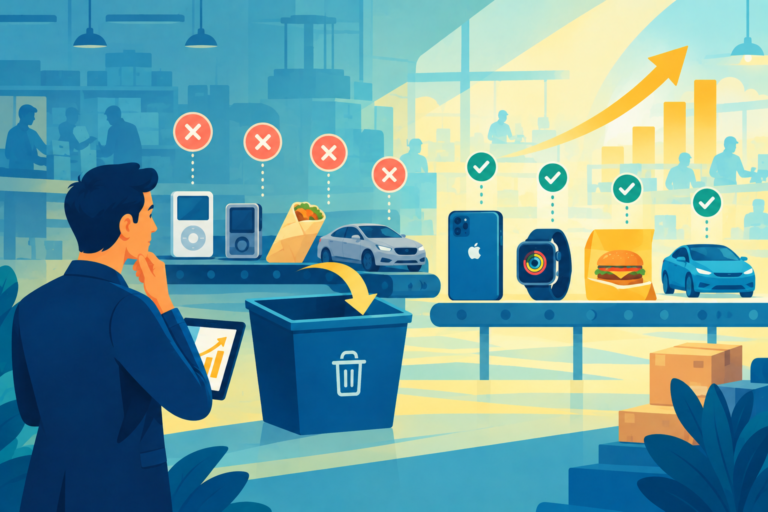
Data tells you what happened, but consumer insight reveals why. Learn how real-world observation wins customer trust.
Looking for a Shorter Overview?
AI Summary
Key Moments
Data vs Insight Gap
Basic metrics like click counts only show outcomes, but lack the 'why' behind customer decisions.Hidden Contextual Frustrations
Real-world barriers like poor lighting, difficult zippers, or inconvenient menu placement drive purchase behavior more than product features.Emotional Purchase Drivers
Customers buy fitness equipment not for macho image, but due to health concerns like blood pressure warnings.Actionable Insight Application
Companies that understand true customer motivations stop guessing and build products that genuinely address real needs.A business can track every piece of data, such as how many people click on a website and how long they look at an image. But it can never track consumer insight through that advanced data.
Yes, these metrics are useful, but only for describing the outcome. But they do not explain what prompted a purchase or what led someone to leave without buying.
A strong consumer insight connects those missing pieces. It looks at customer behaviour in context and finds the reasons behind every decision. And a company can only find it by watching how real people behave in their daily lives.
Data tells a local coffee shop that sales drop every Tuesday at 3:00 PM. But the actual answer reveals that parents are stuck in school traffic at that exact hour and cannot find parking near the café.
That understanding allows businesses to solve the real problem instead of reacting only to visible results. Without genuine consumer insight, brands end up fixing the wrong things. They might spend a fortune completely redesigning a mobile app when buyers just wanted a simple checkout button that actually works on the first tap.
How Consumer Insight Beats Data
Numbers will always play an important role in business. Sales figures, website traffic, and customer surveys remain useful tools for measuring performance. But real growth only happens when a company understands the people behind those numbers.
Marketing teams love dashboards, but relying entirely on software ignores how real people actually make decisions. This is where sharp consumer insight actually proves its worth.
Think about a company selling expensive fitness equipment. The data shows that most buyers are men in their thirties, so a typical marketing team immediately starts running aggressive ads featuring muscular athletes lifting heavy weights.
But deeper consumer insight might reveal a completely different reality. Maybe those men are buying the equipment because a doctor recently warned them about high blood pressure. They just want to live long enough to see their kids grow. What if the brand speaks to that unspoken fear instead of pushing a fake macho image? Sales will explode.
Genuine consumer insight only happens in the real world. Let us look at the fast-food industry for a perfect example of this disconnect. Data might show that a new spicy burger is selling poorly. The numbers suggest that it is a total failure and should be removed from the menu.
But a simple observation from standing in the restaurant might reveal something else entirely. The drive-thru menu board puts the new burger right next to the glare of a streetlamp, making it impossible to read from a car window. The food is fine; the lighting is the issue.
Good consumer insight spots everyday frustrations before they become lost sales. If a clothing brand notices a high return rate on winter jackets, data only calls it a lost sale. But consumer insight might reveal that the zippers are impossible to use while wearing thick gloves.
Customers appreciate brands that understand their expectations. When a brand actually fixes these daily frustrations, buyers trust them for life.
Also reads: How Oatly Marketing Made Oat Milk Interesting
Those improvements usually come from observing real life rather than data on a screen. Over time, this leads to stronger relationships because buyers feel understood instead of treated as just another transaction.
That is why consumer insight matters more than consumer data. Data explains what customers did. Strong consumer insight explains why it happened and what businesses should do next.
Companies that understand this difference stop guessing. They finally know what to build, how to sell it, and why people will actually care.
Loved this article? Read more insightful articles on Brand Custodian.
–Written by Rajnish Singh, a copywriter and strategist with a background in fast-paced journalism, who explores the gap between what brands promise and how consumers actually behave.