A podcast creator's firsthand look at why viral Reels build awareness but rarely convert into long-form podcast listeners.
Looking for a Shorter Overview?
AI Summary
Key Moments
Viral Clip, Zero Listener Lift
A 220K‑view Reel failed to increase podcast streams, exposing the weak link between short‑form reach and long‑form engagement.Audio‑Only to Video Pivot
The team abandoned pure audio to produce video clips to meet visual‑first audience demand.Short‑Form as Its Own Product
Viewers now consume bite‑size clips as finished content and rarely click through to full podcasts.Clips Are the New Brand Entry
Even without reliable conversion, video clips remain essential for maintaining relevance in a crowded media landscape.For nearly six years, The Long Take—a weekly movie review podcast I co-host—existed purely in the audio realm. Bootstrapped, without a marketing budget or a carousel of star guests, audio was easy to produce and edit alongside our full-time jobs. While most of our episodes over the years naturally drew modest listen counts, a select few managed to break out and rack up hundreds of thousands of organic listens on their own.
Then, the market shifted. The video podcast boom went into overdrive, and our baseline growth hit a wall.
Especially in a market like India, where media consumption is overwhelmingly visual-first and YouTube drives the conversation, resting on the laurels of our film expertise and staying audio-only was no longer a viable growth strategy. Unless you have established names bringing their own baked-in audiences every week, you eventually have to give in to video. So, a few months ago, we did.
The DIY friction of making that pivot was real. It meant living with my co-host’s MacBook webcam recording, dealing with large file sizes that added to our virtual production workload, and absorbing extra editing hours. Audio is light; video is a heavy lift.
We made the leap for one reason: to generate short-form clips—Instagram Reels and YouTube Shorts—to try to get our content in front of more eyes.
The social reach, however, has mostly been a game of lucky breaks. Most of our clips do very little, picking up just a few thousand views. But when the timing aligns perfectly with the algorithm and a major movie release, a couple of clips have made their way out, with one single Reel shooting past 220,000 views.
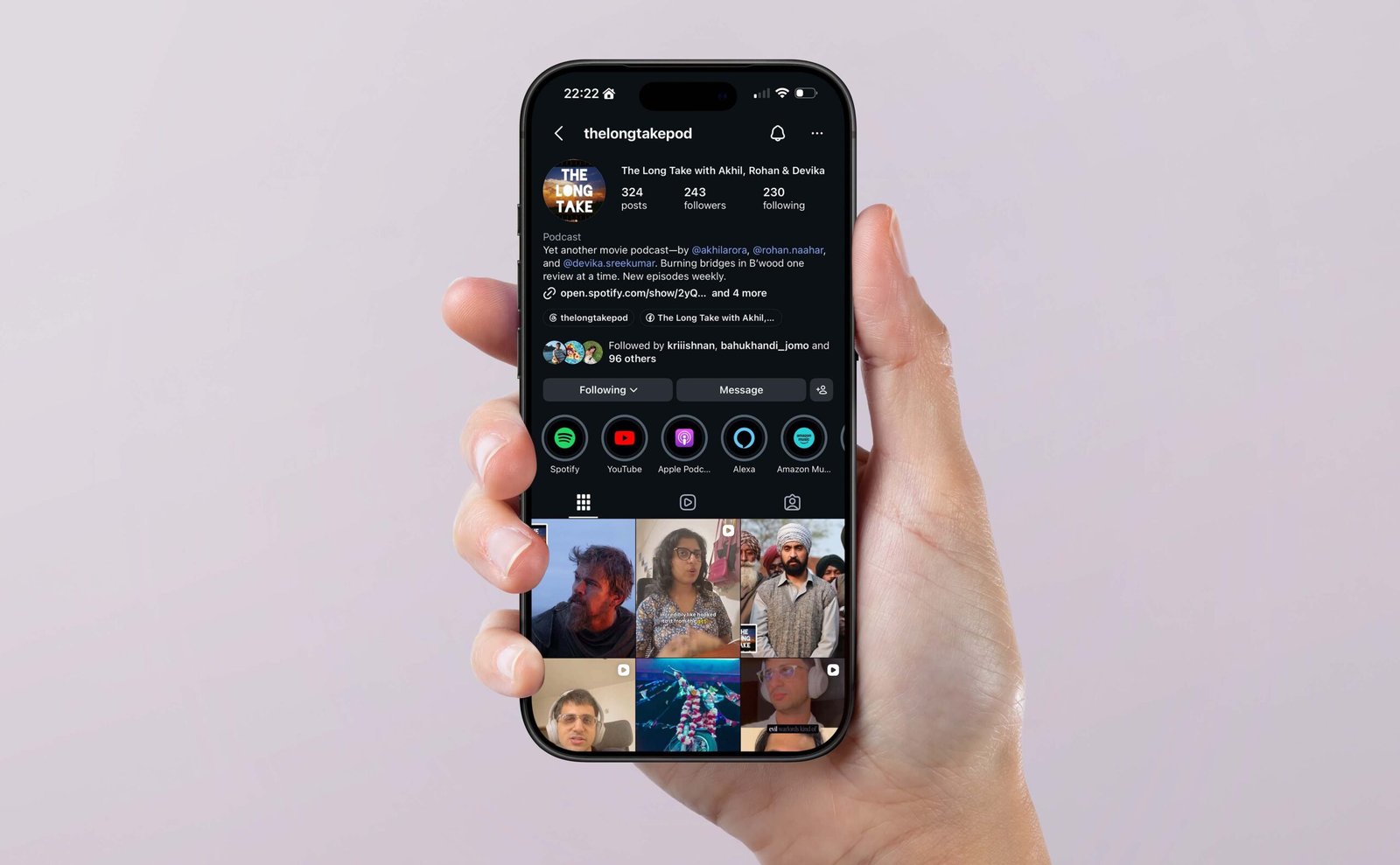
Going into this experiment, my marketing intuition told me not to expect short clips to seamlessly convert into full-episode listens. But the actual magnitude of the disconnect was still eye-opening.
That 220K-view clip led to almost no meaningful bump in full-episode streams. In fact, episodes with underperforming social clips actually outperformed the “viral” episode in full-episode listen counts. There was zero linear correlation between short-form reach and long-form retention.
Also read: The Food Is Not Enough Anymore
What we encountered is a fundamental shift in how people consume media today. Short-form clips are no longer conversion funnels—they have become standalone products.
Modern social media users aren’t looking for trailers that lead them elsewhere—they consume the 30-second condensed summary and move on. Whether it’s a football match, breaking news, or a film critique, audiences grab the bite-sized CliffNotes and feel satisfied. Platforms like Instagram and YouTube are explicitly engineered to trap users in an endless scroll and create friction around leaving the app. There’s a reason Instagram doesn’t allow you to link out in captions.
So, should we stop making the clips? Well, in today’s ecosystem, you can’t afford to. Short clips are the cost of entry for brand awareness. You cannot convert an audience that doesn’t know you exist. While these clips won’t reliably drive full-episode downloads, they keep your brand top of mind and relevant in an overcrowded space.
If you are launching or growing a podcast today, video isn’t optional—regardless of your lighting setup, framing anxieties, or post-production constraints. But as marketers, you have to reframe your expectations. Stop treating Reels and Shorts as top-of-funnel acquisition drivers for your long-form content. Accept them for what they are: lightweight, standalone brand impressions in a world that rarely stays tuned for the full feature.
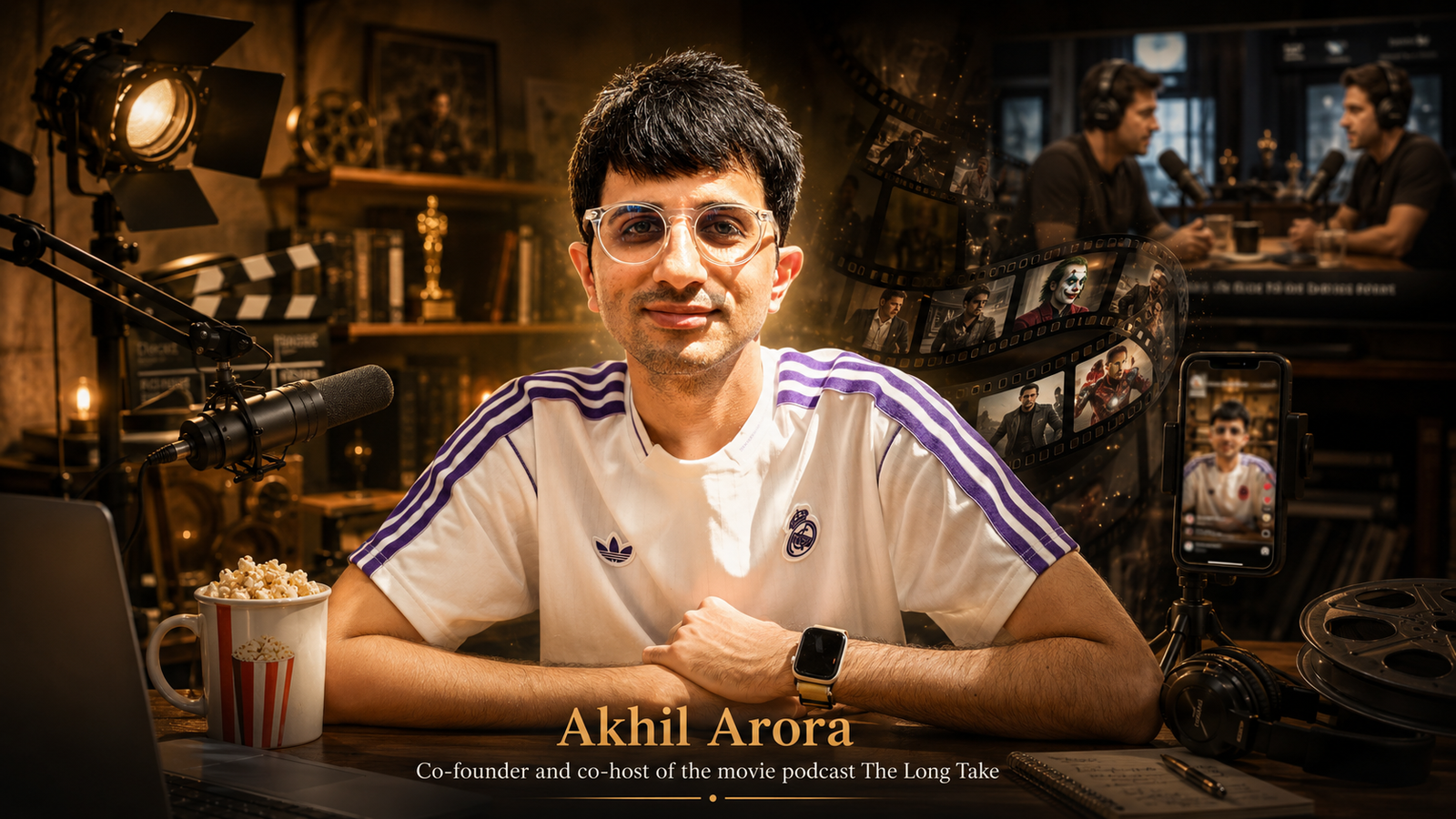
– Written by Akhil Arora, co-founder and co-host of the movie podcast The Long Take, a member of the Film Critics Guild, a jury member for the Critics Choice Awards, a Rotten Tomatoes-certified film critic, and a ‘top critic’ at video game reviews aggregator OpenCritic. When he isn’t obsessively tracking through his watchlist, you will find him shaping a football club’s destiny with his friends inside a game.