Why pay for expensive retail space? Discover how disruptive retail allowed Warby Parker to challenge a global monopoly.
Looking for a Shorter Overview?
AI Summary
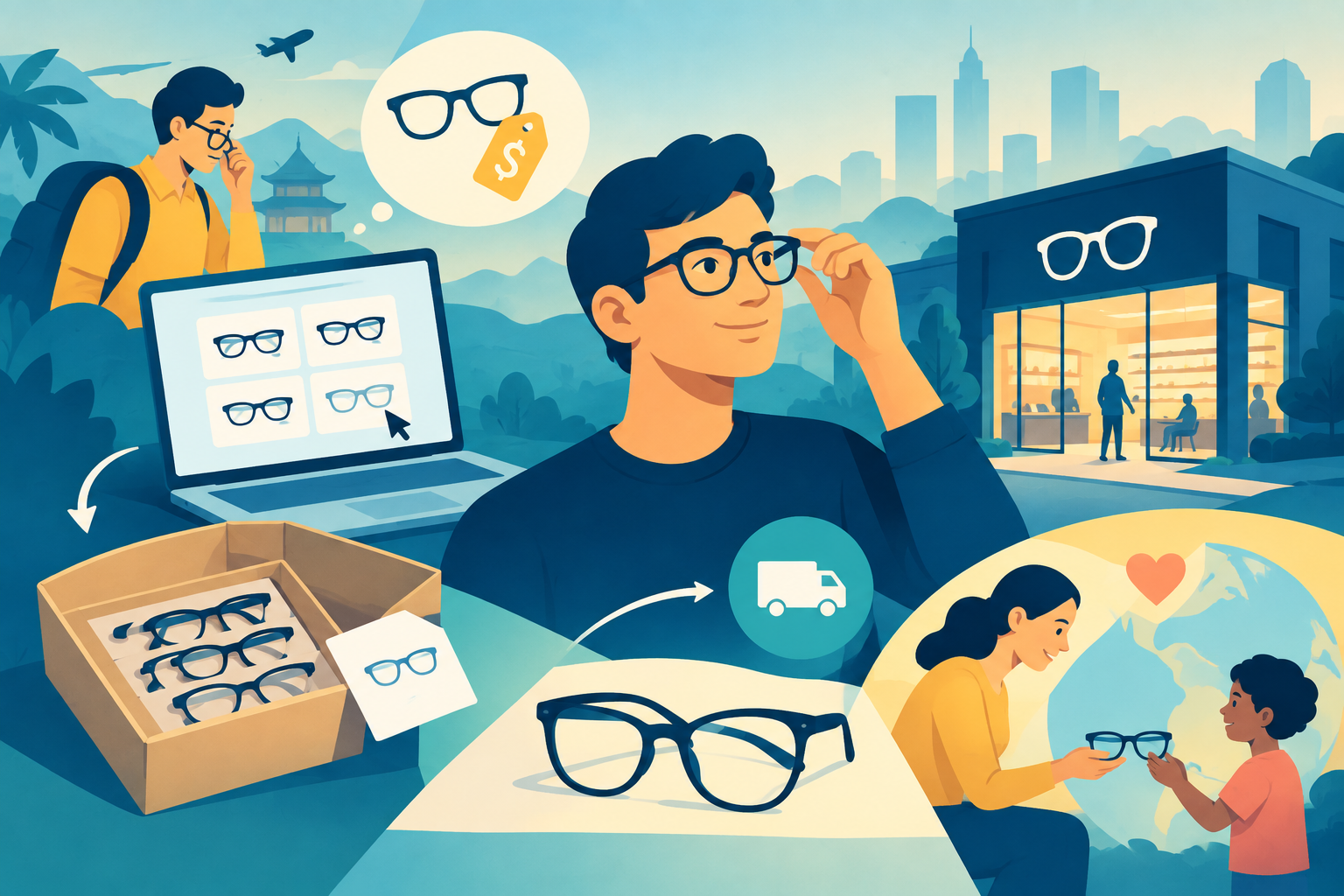
In 2010, a college student named Dave Gilboa lost his glasses while travelling in Southeast Asia. He went into a shop to buy a new pair, but the replacement cost was $700, which was too high for him at the time. This high price was due to one large Italian factory controlling almost every famous glasses brand in the world.
True Disruptive Retail happens when a new shop completely ignores the old rules and sells a physical item directly to the buyer for a much lower price. To stop this single factory from controlling the industry, Dave and three friends used a strict new business plan. The four students built a new company named Warby Parker to avoid the Italian factory entirely.
How A Disruptive Retail Fixes High Prices
Before this company began, people had to drive to a physical eye doctor to try on plastic frames. The shop owner charged a huge amount of cash because he had to pay rent for the building and fees to the Italian factory.
Warby Parker used direct, disruptive retail to bypass the physical store. A buyer simply clicked on a computer screen to choose five different eyeglass frames. Factory workers packed the five empty frames into a small brown cardboard box. They sent it directly to the buyer’s home for free.
This cardboard box rule is the physical proof of Disruptive Retail. The buyer had five days to try the plastic frames on his own face. He showed the frames to his friends to see which one looked best. Then he returned all five pairs with a free paper stamp.
He returned to the computer and paid exactly ninety-five dollars for the final pair. The flat price included the frame, prescription plastic lenses, and a special anti-glare coating. A regular shop charged three times as much in cash for the exact same physical quality.
The four founders kept prices low by designing the frames in-house and selling them directly to customers online. Rather than manufacturing the glasses themselves, they paid the same foreign factories used by expensive shops to make the glasses, using high-quality materials like Italian acetate.
They stopped paying extra cash to outside delivery men and street shop owners. They then used standard shipping companies to deliver the finished prescription glasses directly to the buyer’s home.
A giant Italian company called Luxottica owned nearly every other famous shop. It owned LensCrafters and Ray-Ban, and it kept everyday prices very high. But Warby Parker simply ignored the Italian company. This direct factory choice shows exactly why Disruptive Retail works so well.
The company also added a simple charity rule to its daily business. They started a simple “Buy a Pair, Give a Pair” rule. For every pair of ninety-five-dollar glasses a customer bought, the company gave a poor person one pair of reading glasses through its non-profit partner, such as ‘VisionSpring’.
This habit of donating made buyers feel very good about spending their money. It became a smart part of their Disruptive Retail strategy. A buyer happily paid for cheap glasses and, at the same time, helped a stranger see better.
After making a huge profit through e-commerce, the founders opened physical stores on city streets. But they used disruptive retail inside those shops too. A buyer could walk in, read a book comfortably on a sofa, and browse the shelves. The shop did not feel like a boring doctor’s clinic but a quiet library. The workers used ‘tablets’ to help buyers check out very quickly, without making them stand in a long physical line.
Today, the company generates hundreds of millions of dollars each year. It showed that an expensive plastic frame is just a pricing trick used by old factories. This huge financial success shows how Disruptive Retail gives consumers an affordable alternative, completely bypassing old businesses that refuse to lower their prices.
Also read: Amazon: How Customer Obsession Became a Growth Engine
A new company gains thousands of daily buyers simply by ignoring the old rules and mailing a cardboard box. A business makes huge money today because honest, disruptive retail gives buyers a fair price and a much easier physical choice.
Loved this article? Read more insightful articles on Brand Custodian.
–Written by Rajnish Singh, a copywriter and strategist with a background in fast-paced journalism, who explores the gap between what brands promise and how consumers actually behave.