Blind ad spending is dangerous See how mastering product seeding turns ordinary brands into success.
Looking for a Shorter Overview?
AI Summary
Key Moments
Cost Efficiency
Product seeding reduces upfront cash outlays by gifting items instead of paying creators.Authenticity & Trust
Creator reviews are trusted by 63% of consumers, outperforming traditional corporate ads.No Guarantee Coverage
Brands receive no assurance that creators will feature seeded products; participation is optional.Long-Term Relationship Building
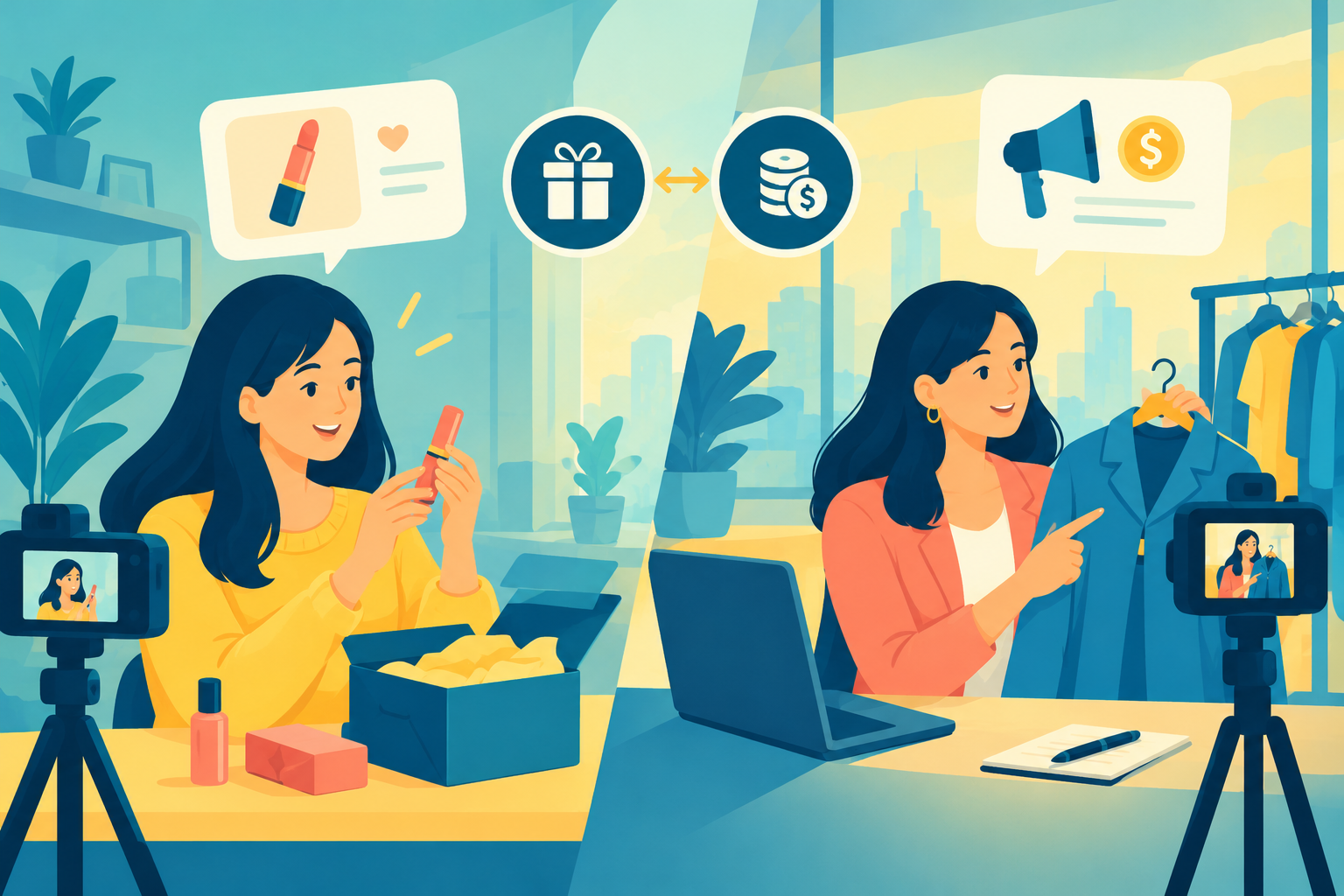
Seeding can foster ongoing creator advocacy, leading to sustained brand loyalty.Marketing teams often work with online creators to promote their products. For example, a clothing company might send a jacket to a selected creator, who can choose whether to feature it in their content. This approach is known as Product Seeding.
Unlike paid advertising, Product Seeding does not guarantee that a creator will publish a promotion. It can, however, help brands introduce products to new audiences in a more organic way. Understanding how it differs from a paid advertising contract can help businesses choose the right approach for their goals and budget.
How Brands Benefit By Eliminating Cash Payments in Product Seeding
Paid advertising contracts can be expensive. A beauty brand might pay $10,000 for a single video, with the creator receiving payment before filming begins. Product Seeding works differently: the company sends a creator a lipstick that costs $50 to make, and the creator decides whether to feature it.
This approach can reduce upfront promotional costs, though it does not guarantee a video or post. If a creator chooses to share the product, the company may be able to use the money saved for other priorities, such as improving production.
Paid advertising often requires creators to follow strict scripts, which can make their videos sound unnatural to viewers. Product Seeding offers a more flexible approach: creators receive a product and can share their own honest opinions in their usual style.
Because the content feels more natural, viewers may be more likely to trust and engage with it. Product Seeding can help brands reach customers through authentic reviews, though it does not guarantee that creators will post or that sales will increase.
Customers are wary of misleading advertising claims. As we discussed in our previous article about Marketing Mix Modelling, inflated digital metrics can also make it harder to judge a campaign’s true impact.
Product Seeding gives creators the opportunity to try a product and share their own opinions, rather than follow a paid script. Edelman reports that 63% of consumers trust creator reviews more than traditional corporate advertising. When creators genuinely recommend a quality product, their reviews can help brands build trust and encourage sales.
Paid advertising contracts typically guarantee that a creator will publish a video by an agreed date. Product Seeding offers no such promise. For example, a shoe company might send products to 20 creators, but only five may choose to post about them.
The company must account for the cost of products that are sent but never featured. To evaluate whether the campaign was worthwhile, marketing managers should compare the results and sales from the published videos with the total cost of the products distributed.
Paid advertising usually involves a one-time transaction: the company pays a creator for a specific campaign, and the agreement ends when the work is complete. Product Seeding can help build a longer-term relationship.
For example, a technology company might send a camera to a photographer who enjoys using it. If the photographer chooses to feature the camera and continues working with the brand, the relationship may develop into ongoing advocacy. This can help the company build loyalty and reduce the need to repeatedly recruit new creators.
Marketing managers often find it difficult to identify creators who genuinely support their products. Product Seeding can help reveal authentic fans, rather than relying only on creators who accept paid contracts.
Also read: Why Do Some Advertisements Become Famous Without Making the Brand More Successful?
Grin’s research suggests that brands can reduce customer acquisition costs by 42% by replacing some paid partnerships with gifted products. Companies can then review which creators choose to share their experiences and build paid relationships with those who demonstrate genuine interest. For example, a technology brand might first send a laptop to a creator, then offer a paid contract if they independently publish several videos about it.
Loved this article? Read more insightful articles on Brand Custodian.
–Written by Rajnish Kumar, a copywriter and strategist with a background in fast-paced journalism, who explores the gap between what brands promise and how consumers actually behave.