Understand how brands and Digital Creators navigate content ownership, copyright, licensing and usage rights in influencer marketing.
Looking for a Shorter Overview?
AI Summary
Key Moments
Payment vs Ownership
Payment alone does not transfer copyright; creators usually retain rights unless explicitly assigned.Clear Rights Agreements
Contracts must specify ownership, usage scope, platforms, duration, editing, and paid advertising permissions.Indian Copyright Law
Section 17 allows commissioned works to initially belong to the client only if the agreement states otherwise.User-Generated Content Rights
Brands need explicit permission to reuse customers' public posts, even with attribution.A brand collaboration may begin with a simple brief, a product shipment and a payment agreement. A digital creator then invests time, effort and creativity into producing a Reel, photograph, video or campaign. But once the content is published, an important question often gets overlooked: who actually owns it? Does paying for the content automatically give the brand complete ownership, or does the creator retain the rights to their work?
As influencer marketing and user-generated content become increasingly important to brand communication, understanding content ownership is no longer optional. Brands want to repurpose successful creator content across advertisements, websites and social media platforms, while creators want to protect their work and retain control over how it is used. The distinction between paying for content and owning its copyright is particularly important. Without clear agreements, what begins as a mutually beneficial collaboration can quickly turn into a disagreement over usage rights, permissions and intellectual property.
Understanding Content Ownership When Working With Digital Creators
Copyright is the legal protection given to original creative work, including photographs, videos, music, scripts and written content. In India, the Copyright Act, 1957 provides the framework for determining who owns these rights. However, ownership can depend on the nature of the work, the circumstances in which it was commissioned and the agreement between the parties.
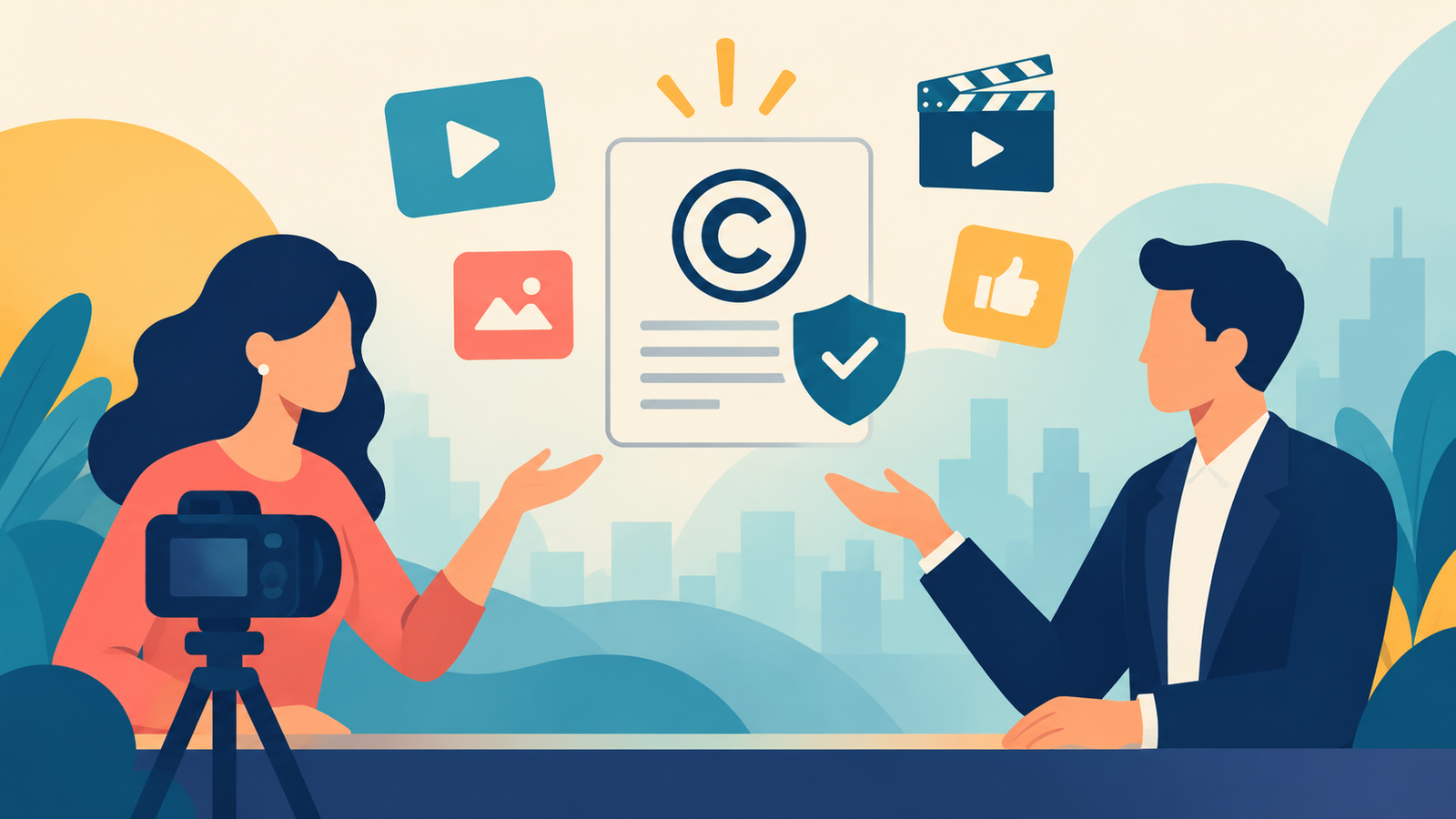
A common misconception is that a brand automatically owns content simply because it paid a creator to produce it. Payment and copyright ownership are two different things. A creator may be paid to develop a promotional video while retaining ownership of the underlying creative work. The brand may receive permission to publish that video on its social media channels, but that does not necessarily mean it can use the same video in television advertisements, paid campaigns or other marketing materials without additional permission.
There is also an important distinction between copyright ownership, assignment and licensing. An assignment transfers copyright ownership, subject to the terms of the agreement. A licence, on the other hand, gives the brand permission to use the content under specific conditions while the original owner retains ownership. These conditions can cover where the content can appear, how long it can be used, whether it can be edited and whether it can be used for paid advertising.
However, Indian copyright law has certain exceptions that make the situation more nuanced. Under Section 17 of the Copyright Act, 1957, the author is generally the first owner, but this is not an absolute rule. For instance, certain commissioned works, including photographs and cinematograph films created for valuable consideration at another person’s request, may initially belong to the person commissioning them, unless there is an agreement stating otherwise. Employment relationships can also affect ownership. This makes it important for both parties to understand the nature of the work and the terms of their agreement rather than relying on assumptions.
Also read: How Can Go-to-Market Strategy Determine Whether a New Product Succeeds?
The issue becomes even more complicated when brands want to reuse content beyond the original campaign. A Reel created for Instagram might perform exceptionally well, prompting a brand to use it in paid advertisements, website banners, product pages or email marketing. However, permission to publish content on one platform does not automatically extend to every other channel. The same applies to editing, cropping, adding new messaging or extending a campaign beyond its original duration. Each of these uses should be covered by the agreed ownership or licensing terms.
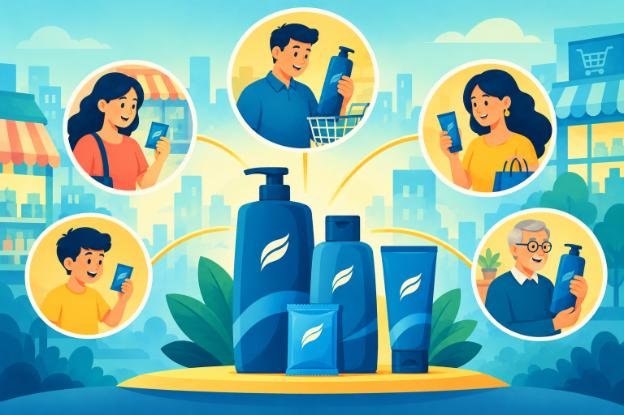
User-generated content (UGC) presents another challenge. Consumers regularly share product reviews, photographs, testimonials and videos featuring brands without being formally approached for a collaboration. While this content can be valuable for marketing, its public availability does not mean a brand has unrestricted rights to use it. Reposting a customer’s photograph or incorporating their video into a paid campaign requires appropriate permission. Giving credit to the original creator is good practice, but attribution alone does not replace the need for permission where it is required.
For brands and Digital Creators, the most practical solution is to establish content rights before production begins. A well-drafted collaboration agreement should clearly explain who owns the final content, whether raw footage and working files are included, which platforms the brand can use it on, and whether paid advertising is permitted. It should also specify the duration of usage rights, geographical coverage, editing permissions and whether the creator can continue using the work in their portfolio. If a brand requires complete ownership, the agreement should explicitly address copyright assignment rather than relying on a general payment clause.
There are also other intellectual property considerations. A video may contain licensed music, stock footage, third-party artwork or appearances by people other than the creator. Acquiring copyright in the final video does not automatically transfer rights to these separate elements. Brands must ensure that the necessary permissions cover their intended commercial use. Similarly, creators should maintain original files, drafts and dated records of their work, as these can help establish authorship and provide evidence if ownership is disputed.
Ultimately, content ownership should not become an afterthought in influencer marketing. Brands need the flexibility to use the creative assets they invest in, while creators deserve clarity about how their work will be used and whether they are transferring ownership or simply granting permission. Neither side benefits from unclear expectations or agreements that leave important details open to interpretation. As collaborations become more sophisticated, treating intellectual property as an essential part of campaign planning can help both parties build stronger, more transparent and longer-lasting professional relationships.
– Written by Saad Rashid, an experienced journalist with extensive experience across both print and digital media. He has worked with various publications in India and internationally and has reached millions of readers through his thought-provoking articles.
Enjoyed this article? Read more here.