Why do buyers forget your campaigns? Discover how proven experience memory drives massive long-term sales and loyalty.
Looking for a Shorter Overview?
AI Summary
Key Moments
Physical interaction creates lasting memories
When customers touch, feel, and see products, their brains record real physical details that create strong experience memory.Poor store experiences override digital campaigns
A dirty floor, rude cashier, or broken hanger can completely destroy even the most beautiful digital marketing campaign.Comfort drives increased spending
When shoppers feel physically comfortable in a clean, quiet store environment, they stay longer and purchase more items.Smart retailers prioritize experience over ads
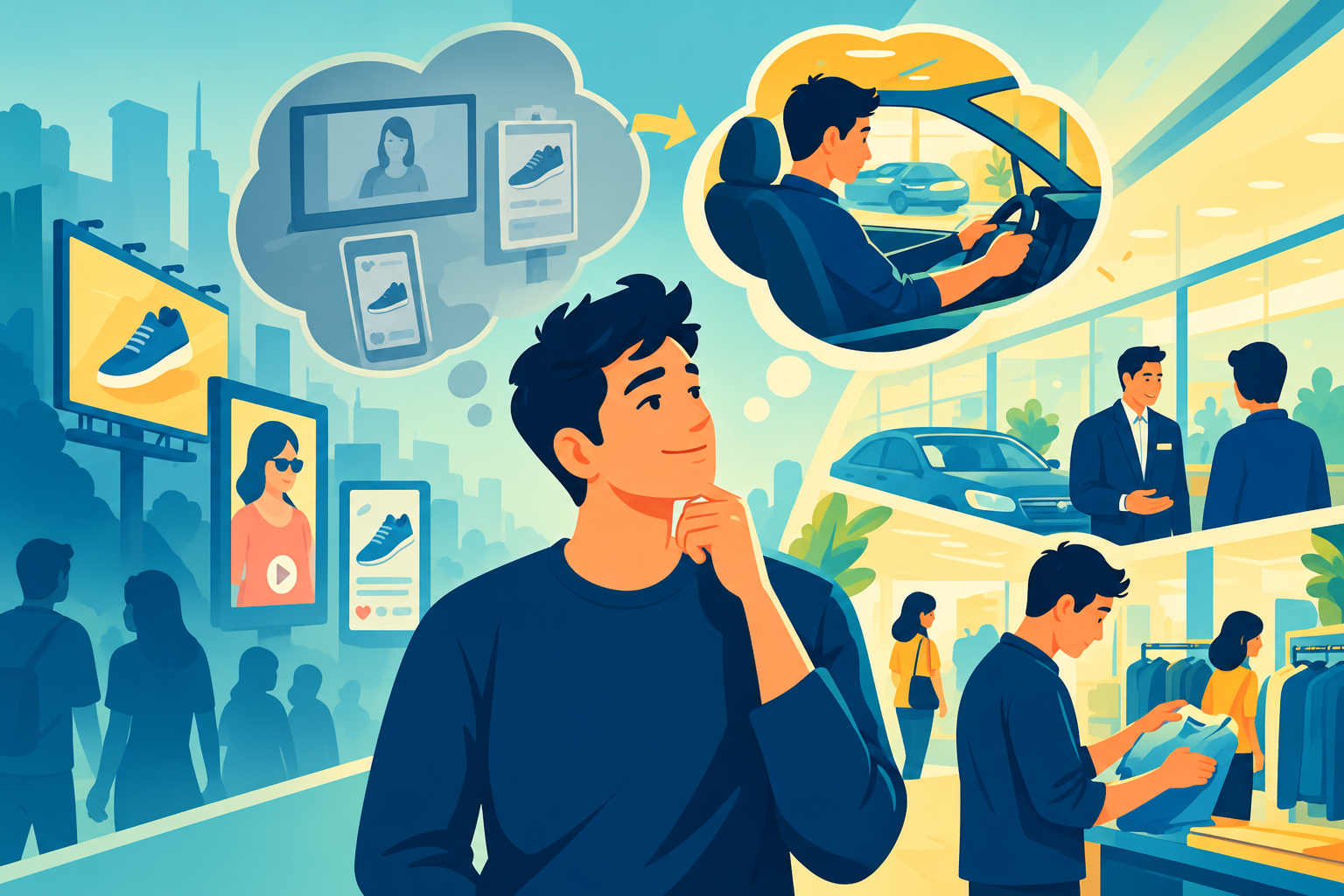
Forward-thinking businesses invest in upgrading retail spaces to create positive experience memory rather than spending on loud advertisements.Expensive television ads stop running after a certain number of days. Large highway posters get washed away by heavy monsoon rains. But people still easily remember the exact smell of a clean retail showroom, even years later. This strong physical recall is known as experience memory.
According to PwC consumer retail studies, physical interaction is still highly valued. 46% of consumers say the ability to touch and see a product is their main reason for choosing to shop in a store rather than online. When a customer touches an item, feels it, and sees the product before buying it, that experience creates a strong experience memory.
Why Experience Memory Outlasts Paper Posters
Many printed posters get wet and tear apart every year. A car company pays huge amounts of cash to showcase its car’s best feature on a mobile screen. But those advertisements disappear the moment a person turns off his phone.
To earn profits over many years, a smart business relies entirely on experience memory. A driver actually sits in the stitched leather seat of the new car in the showroom. He grips the hard plastic steering wheel and hears the engine start.
Because of these interactions, his brain records real physical details. The printed banners only provided him with temporary information. But the test drive creates a lasting experience memory.
Market researchers note that buyers remember these physical details for a very long time. The buyer will forget the words on the paper within a few days. He will forget the online advertisements completely. But he will remember the soft leather seat forever.
A clothing brand might spend months creating beautiful digital photos of a new shirt. But a shopper might walk into the store and see a dirty floor. If that happens, the entire digital campaign fails completely. A rude cashier or a broken hanger immediately creates a bad experience memory.
As we discussed in our previous article on data overload, printing thousands of software charts cannot fix a poor interaction that happened in the store or with the product itself.
A shopper may spend thirty minutes in a store just to buy one item. If he waits too long, he leaves feeling very angry. That bad feeling stays with him permanently. The company might then spend a huge amount of money bringing the buyer back to the store. But the shop’s poor experience memory may keep him from ever returning.
Smart shop owners stop spending all their money on loud advertisements. Instead, they spend cash on upgrading the retail space to create a positive experience memory. Store managers install bright white lights on the ceiling.
This helps the buyer clearly read the printed text on the boxes. The owner installs thick glass doors at the front entrance to block loud street noise completely. Workers also make sure the floor is cleaned every morning, and the air inside the store stays fresh throughout the day.
When a buyer feels physically comfortable walking down the clean store aisle, his mood improves right away. He stays in the shop for another twenty minutes, picks up more items from the display tables, and eventually pays more cash at the billing register.
True business success doesn’t come from a temporary digital video. It comes from making sure the buyer’s visit is smooth, quiet, and easy. This simple comfort is the only way a brand creates positive experience memory. That comfort brings the buyer back to the same shop next month.
Loved this article? Read more insightful articles on Brand Custodian.
–Written by Rajnish Singh, a copywriter and strategist with a background in fast-paced journalism, who explores the gap between what brands promise and how consumers actually behave.