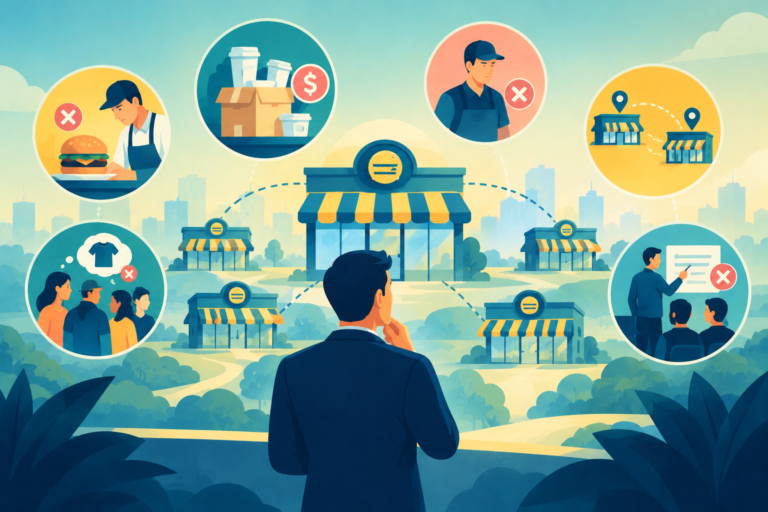
Does expanding your product line destroy trust? Learn how reckless brand stretching ruins even the most successful companies.
Looking for a Shorter Overview?
AI Summary
Key Moments
Definition of Brand Stretching
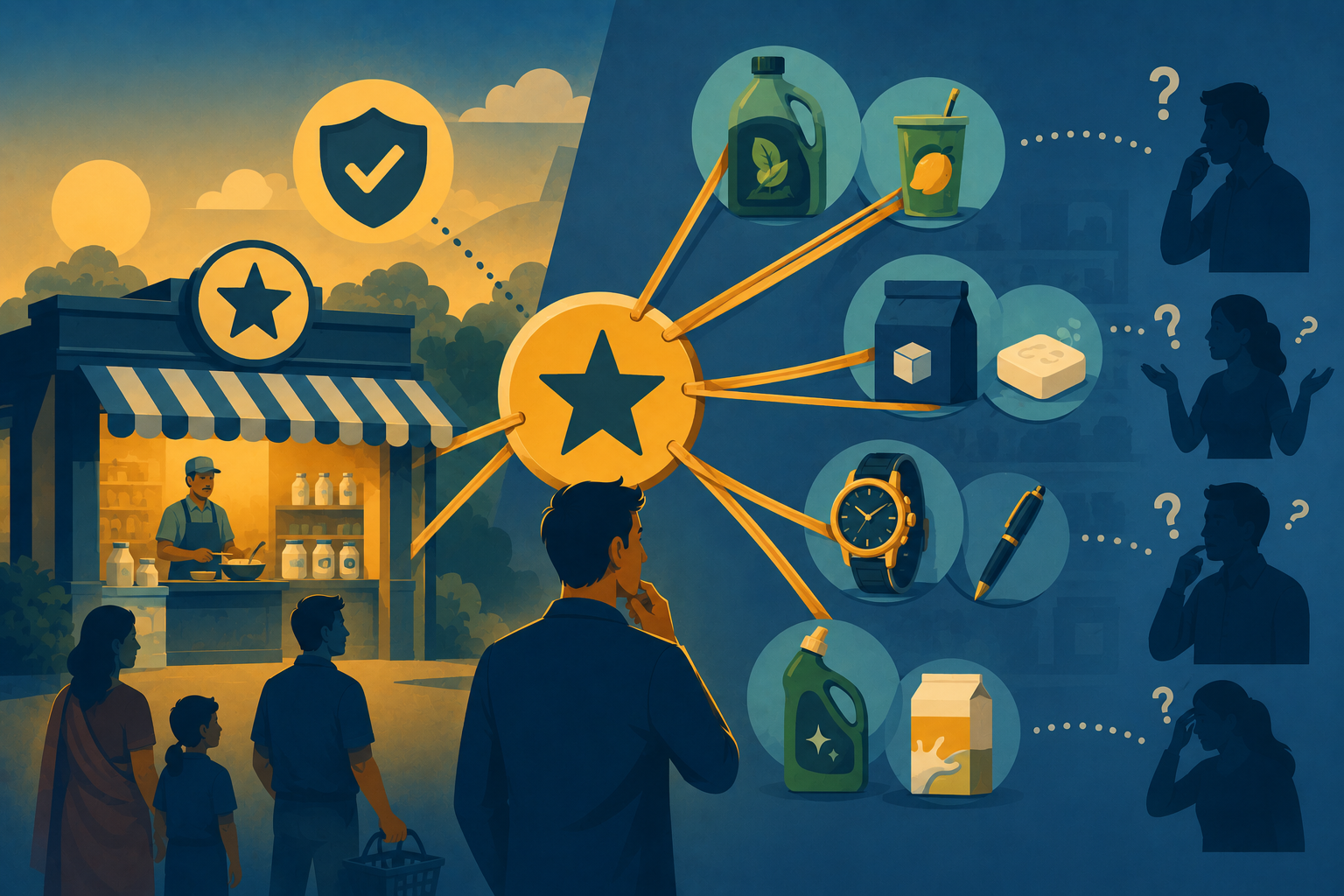
Brand stretching occurs when a successful brand sells unrelated products, risking confusion and loss of trust.Hair Oil to Mango Juice Failure
A trusted green hair oil brand launched mango juice, causing customers to reject the unrelated product.Luxury Watch to Plastic Pens Fallout
A high‑end watch brand introduced cheap pens, alienating its wealthy clientele and hurting core sales.Staying Within Related Categories
Successful extensions keep products in similar categories to preserve brand meaning and customer loyalty.Local dairy shops build huge trust by selling pure ghee and fresh milk every morning. Regular buyers never question the quality of the food. Families have been buying from the exact same shop for decades.
But when a shop owner suddenly packs liquid toilet cleaner in a plastic bottle and prints his famous dairy logo on it, customers get deeply confused. People might even stop buying their daily ghee.
Brand stretching occurs when a highly successful company uses its well-known name to sell a completely different kind of product. Business owners think their loyal customers will automatically buy anything with their logo on it. But using a trusted name in the wrong category can undo years of hard work.
When Brand Stretching Mostly Fails
Green herbal hair oil bottles are found in almost every Indian bathroom. When shoppers see a certain green bottle, they think of strong hair roots, raw herbs, and a thick, sticky liquid. Company owners sometimes want extra profit and decide to try brand stretching. Managers then launch a sweet mango fruit juice under the exact same hair oil brand name.
They use the same green logo on the juice box. When a shopper sees the juice packet in the supermarket, he immediately remembers the strong smell of sticky hair oil. He feels slightly sick and puts the juice carton back on the shelf. The Brand Stretching fails completely because hair care and sweet summer drinks do not match. A customer simply refuses to drink something that shares a name with hair oil.
Factory owners often forget what their logo really means to everyday buyers. A large factory produces heavy steel pipes and thick cement for building tall houses. The brand stands for rough strength, heavy weight, and hard construction.
Then the owner tries brand stretching by launching a premium baby soap. He wants to sell everyday household items for extra money. Mothers see the heavy steel company logo printed on the small soap box and immediately feel worried. Parents want soft, gentle, and mild products for their newborn babies.
Seeing a heavy construction name on a baby bath product ruins all trust. Bad Brand Stretching makes the soap seem harsh and unsafe. Nobody will ever wash a baby with a soap made by a cement company.
Luxury watch showrooms sell heavy gold wristwatches for two lakh rupees. Rich businessmen buy these expensive items to show their high status. They want a rare item that normal people cannot afford.
To make quick daily money, the company tries brand stretching and starts selling cheap plastic pens for twenty rupees. College students buy the cheap pens for their exams because the famous logo looks good. But wealthy businessmen feel deeply insulted. These buyers stop purchasing the expensive gold watches because the brand name now looks cheap and common.
By doing this brand stretching, the company damaged its core luxury business just to sell a few plastic pens. Wealthy customers shifted to another brand that sells only expensive items.
Moving into similar items makes perfect sense for a growing business. A toothpaste company can easily start selling toothbrushes or mouthwash without confusing anyone. But putting a famous logo on completely unrelated items only confuses the public.
Also read: Anchoring Bias: Why the First Price Changes Every Price After It
Poor brand stretching makes buyers forget what a company originally did best. A business must protect its main identity instead of trying to sell every single thing in the local market. Shoppers want to buy from a specialist, not a confused shopkeeper. This mistake simply makes a famous name lose all its special value in the minds of regular buyers.
Loved this article? Read more insightful articles on Brand Custodian.
–Written by Rajnish Singh, a copywriter and strategist with a background in fast-paced journalism, who explores the gap between what brands promise and how consumers actually behave.