Slow revenue growth is dangerous See how mastering brand licensing turns ordinary companies into success.
Looking for a Shorter Overview?
AI Summary
Key Moments
Huge Global Market
Licensed merchandise drives $356 billion in annual worldwide sales, showcasing massive revenue potential.Low‑Risk Product Testing
Short‑term licensing lets brands trial new categories like coffee ice cream or luxury bags with minimal investment.Steady Income via Royalties
Typical licensing deals pay 4‑8 % of wholesale revenue, often with minimum guarantees for predictable cash flow.Trademark Protection
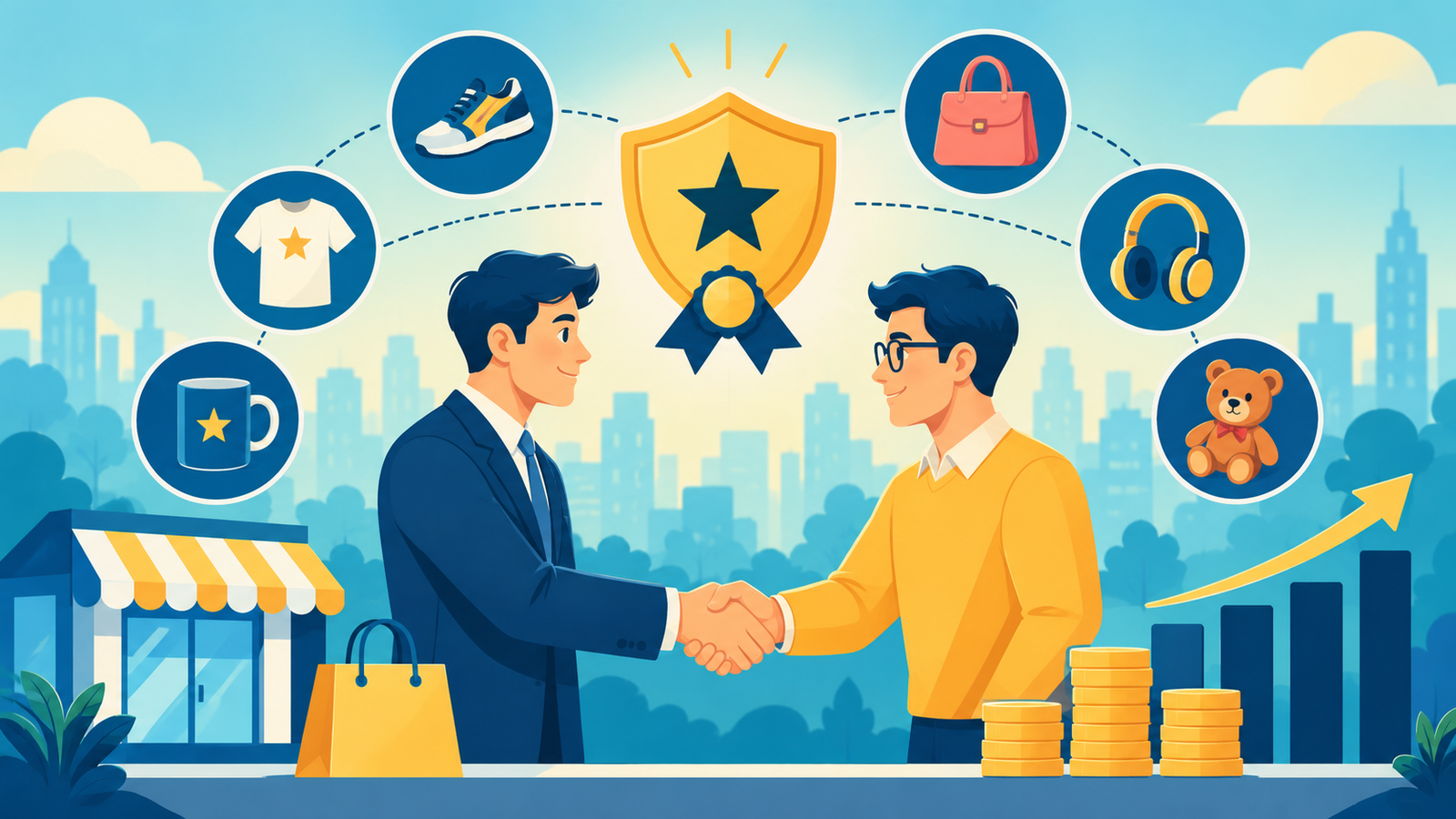
Active commercial use through licensing helps maintain legal rights, but requires careful legal review to avoid disputes.Companies can earn additional revenue by allowing other businesses to use their brand on products. For example, a popular toy company might license its logo to a clothing manufacturer for use on T-shirts. This agreement is known as Brand Licensing. Brand Licensing can help a company reach new customers and generate income without manufacturing the products itself. Understanding how it works can help businesses explore new revenue opportunities while making the most of their brand.
How Brands Excel at Entering New Supermarkets Through Brand Licensing
A coffee company known for its roasted beans may want to expand into products such as coffee ice cream. Building an ice cream factory would require a major investment, but Brand Licensing offers another option: the company can partner with an established manufacturer to produce and sell the dessert.
Licensing International reports that licensed merchandise generates $356 billion in sales worldwide each year. By licensing its brand, the coffee company can enter new supermarkets and reach more customers without building its own production facilities.
Producing a new product can require costly equipment and expertise. For example, a luxury car company may want to sell leather bags but lack the machinery and skills to make them. Through Brand Licensing, the company can let an experienced bag manufacturer use its logo. The partner invests in sewing equipment and production staff, while the car company earns a share of sales without taking on those manufacturing costs.
Different audiences shop in different places. A tractor brand that wants to reach younger consumers could use Brand Licensing to partner with a toy manufacturer and create miniature versions of its vehicles.
The toys would appear in children’s stores, introducing the brand to young shoppers who may not visit agricultural equipment dealers. As we discussed in our previous article about Product Naming, a familiar and appealing product can help shape how people recognise a brand. Licensing can help businesses connect with new audiences through products they already enjoy.
Businesses may hesitate to launch products in unfamiliar categories because unsold inventory can be costly. Brand Licensing offers one way to test an idea: a sports brand could partner with an electronics manufacturer to produce headphones for a limited period, then assess customer demand before making a larger commitment.
McKinsey research suggests that companies using partnerships can grow revenue twice as fast as those operating independently. By tracking sales during a trial period, the sports brand can gauge interest while limiting its financial exposure.
Trademark owners may need to use their marks commercially to maintain their rights, depending on the laws in each jurisdiction. Brand Licensing can allow a company to keep a logo in active use by authorizing another manufacturer to place it on products such as hats.
Before licensing a trademark, businesses should consult legal counsel to confirm the arrangement meets local requirements and protects the brand. This can help maintain legitimate commercial use and reduce the risk of disputes over the logo.
Retail sales can fluctuate from month to month, especially when factors such as rainy weather affect customer demand. Brand Licensing can provide a more predictable source of income when agreements include minimum guaranteed payments.
Also read: How Can Campaign Longevity Help Brands Build Lasting Recognition?
RoyaltyStat reports that corporate royalty rates commonly range from 4% to 8% of wholesale revenue. Licensing International estimates that licensed apparel generates $42 billion annually, including revenue from royalty arrangements. These licensing payments can help businesses supplement revenue from retail sales.
Loved this article? Read more insightful articles on Brand Custodian.
–Written by Rajnish Kumar, a copywriter and strategist with a background in fast-paced journalism, who explores the gap between what brands promise and how consumers actually behave.