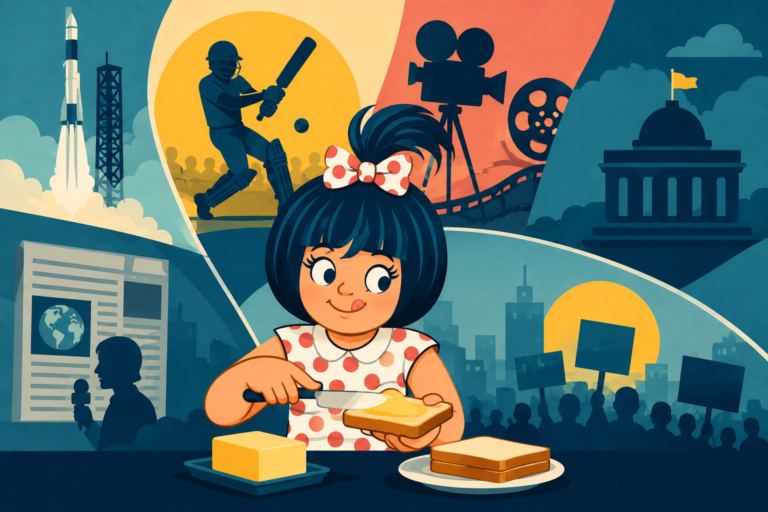
Discover how Campaign Longevity helps brands build lasting recognition, strengthen brand recall, build trust and stay relevant over time.
Looking for a Shorter Overview?
AI Summary
Key Moments
Recognition Through Consistency
Repeated exposure to consistent messaging builds familiarity and brand recall over time.Trust via Central Promise
Maintaining the same core message reinforces consumer expectations and trust in the brand.Efficiency Gains
Long-term campaigns allow reuse of assets and deeper audience insights, reducing resource waste.Balancing Longevity and Relevance
Updating creative execution while preserving identity ensures the campaign stays meaningful.In a marketing environment where new campaigns, trends and platforms compete for consumer attention every day, brands often feel pressured to constantly come up with something new. While fresh creative ideas can help maintain interest, frequently replacing campaigns can make it difficult for audiences to develop a lasting association with a brand. This is where Campaign Longevity becomes important. Rather than treating advertising as a series of disconnected activities, brands can build long-term campaigns around consistent messaging, recognisable creative elements and meaningful audience connections. Over time, this approach can strengthen brand recall, build familiarity and help businesses remain relevant even as consumer preferences and market conditions change.
How Campaign Longevity Helps Brands Build Lasting Recognition
One of the biggest advantages of Campaign Longevity is that it gives audiences enough time to recognise and remember a brand. Consumers rarely develop strong brand associations after seeing an advertisement just once. Repeated exposure to consistent messaging, visuals, colours and brand characters helps create familiarity. When people encounter these elements across different platforms and occasions, they gradually begin associating them with a particular business. This makes the brand easier to recognise when they eventually need the product or service.
Consistency also plays an important role in building trust. When a brand communicates the same central promise over an extended period, consumers develop clearer expectations about what it represents. However, consistency should not be confused with repeating the same advertisement indefinitely. A successful long-term campaign needs a strong central idea that can be expressed through different stories, formats and creative executions without losing its identity. This allows brands to maintain familiarity while giving audiences something new to engage with.
Another benefit is the opportunity to build an emotional connection. Campaigns that focus on relatable experiences, shared values or familiar situations can become part of how consumers perceive a brand. Over time, audiences may begin recognising not just the advertisement but also the emotions and associations attached to it. This is particularly valuable in competitive categories where products and services often offer similar functional benefits. A memorable campaign can give consumers an additional reason to connect with one brand over another.
Long-term advertising can also support better marketing efficiency. Constantly developing entirely new campaign concepts requires creative resources, production budgets and considerable planning. When a brand has an established campaign platform, it can build on existing creative assets rather than starting from scratch every time. This does not mean avoiding experimentation. Instead, brands can make smaller creative improvements, introduce new executions and explore different channels while retaining the original campaign’s recognisable elements. It also gives marketing teams more time to understand what resonates with their audiences and make informed decisions.
However, maintaining Campaign Longevity requires brands to recognise the difference between familiarity and creative fatigue. Marketers sometimes assume that audiences are tired of an advertisement simply because they have seen it repeatedly. Interestingly, System1’s analysis of more than 50,000 video advertisements found that older ads maintained relatively consistent effectiveness ratings across different testing periods. This challenges the assumption that every successful advertisement has a short lifespan. Rather than discontinuing campaigns based on internal perceptions, brands should evaluate audience response and actual performance before deciding whether a creative idea needs replacing.
Also read: Why Does Knowledge Management Matter in Marketing Teams?
At the same time, longevity should never come at the cost of relevance. Consumer expectations, cultural conversations, technology and competitive environments continue to evolve. A campaign that worked several years ago may need adjustments to remain meaningful today. Brands should preserve the central idea and recognisable identity while updating the execution to reflect changing audience needs. This balance allows a campaign to grow alongside the brand without losing the associations it has already established.
Measuring the success of a long-running campaign also requires looking beyond immediate clicks and conversions. While these metrics remain important, brands should consider indicators such as brand awareness, recall, consideration, audience engagement and changes in customer perception. These measures provide a broader understanding of whether consistent advertising is helping the brand become more familiar and memorable. Comparing performance over different periods can also help identify which creative elements are contributing to lasting recognition.
Ultimately, Campaign Longevity is about giving a strong marketing idea enough time to create meaningful associations with its audience. Brands do not necessarily need a completely new campaign every few months to remain interesting. They need a clear identity, a relevant message and the willingness to build on ideas that work. When consistency is supported by thoughtful creative evolution, campaigns can become more than temporary promotional activities. They can develop into recognisable brand assets that strengthen familiarity, build trust and help businesses stay memorable long after an individual advertisement has disappeared.
– Written by Saad Rashid, an experienced journalist with extensive experience across both print and digital media. He has worked with various publications in India and internationally and has reached millions of readers through his thought-provoking articles.
Enjoyed this article? Read more here.